



















































Home 03
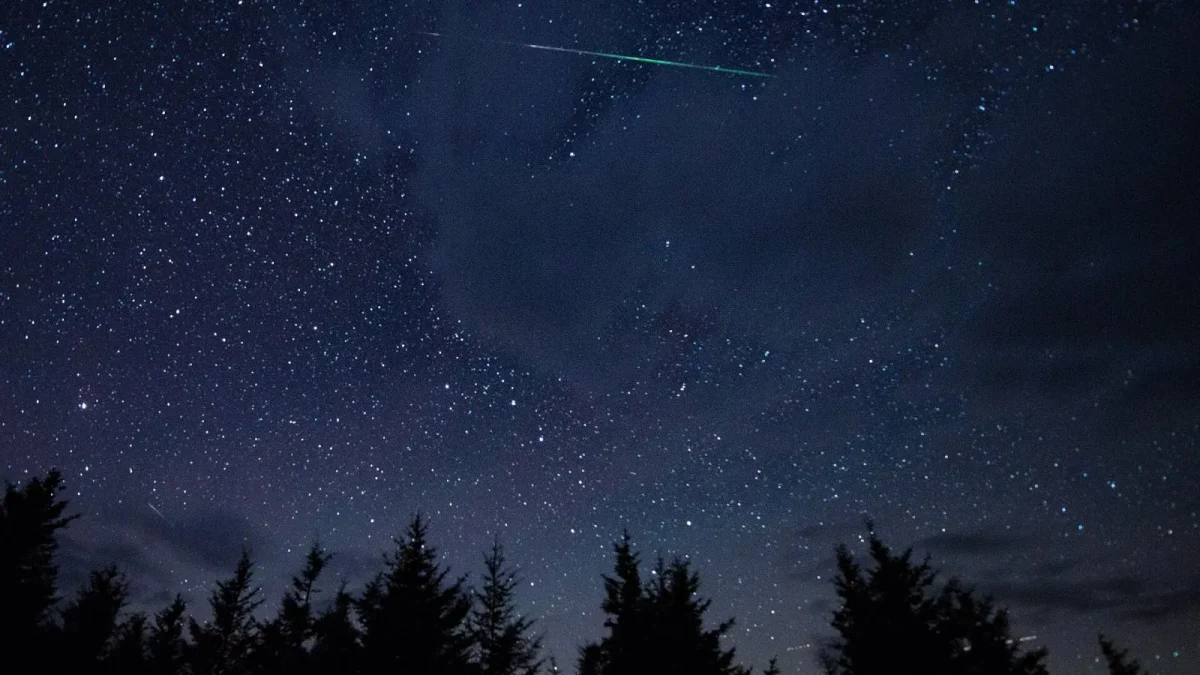
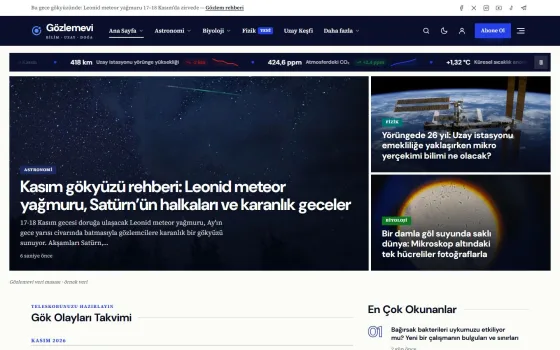
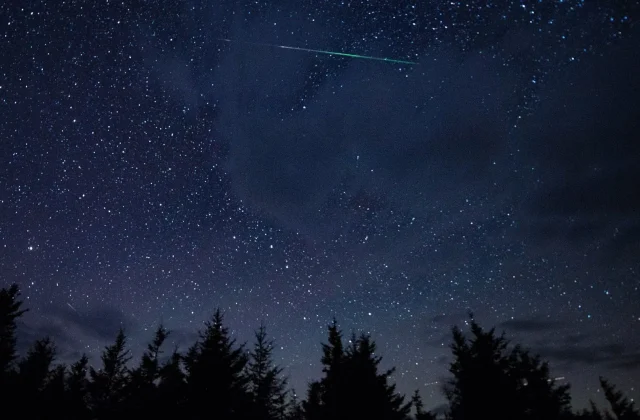
November sky guide: the Leonid meteor shower, Saturn’s rings and dark nights
Peaking on the night of 17–18 November, the Leonid meteor shower offers observers a dark sky as the Moon sets around midnight. Saturn takes…
Most-read research
The Universe in Numbers
-
Age of the universe
13,8 bn years
-
Stars in the Milky Way (estimated 100–400 bn)
200 bn
-
Time for sunlight to reach Earth
8,3 min
-
Cells in the human body
37 trillion
26 Years in Orbit
-
1998
First module in orbit
The station's core was launched; assembly would take more than a decade.
-
2000
First long-term crew
Humans have been in orbit continuously ever since.
-
2011
Assembly complete
A 420-ton laboratory the size of a football field.
-
2020
Commercial crew flights
Astronauts begin flying on private companies' spacecraft.
-
2030
Retirement plan
A controlled deorbit, with commercial stations taking its place.
Deep-Sky Targets for November Nights
| Andromeda (M31) | Spiral galaxy | Andromeda | 3.4 | Naked eye / binoculars |
|---|---|---|---|---|
| Pleiades (M45) | Open cluster | Taurus | 1.6 | Naked eye |
| Triangulum Galaxy (M33) | Spiral galaxy | Triangulum | 5.7 | Binoculars |
| Double Cluster | Open cluster | Perseus | 3.7 | Binoculars |
| Ring Nebula (M57) | Planetary nebula | Lyra | 8.8 | Telescope |
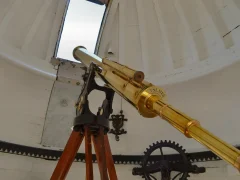
Gözlemevi gözlem masası
Tonight's Observing Conditions
-
Moon illumination
Thin crescent (sample)
-
Sky clarity
Mostly clear (sample)
Space Exploration
Science Desk
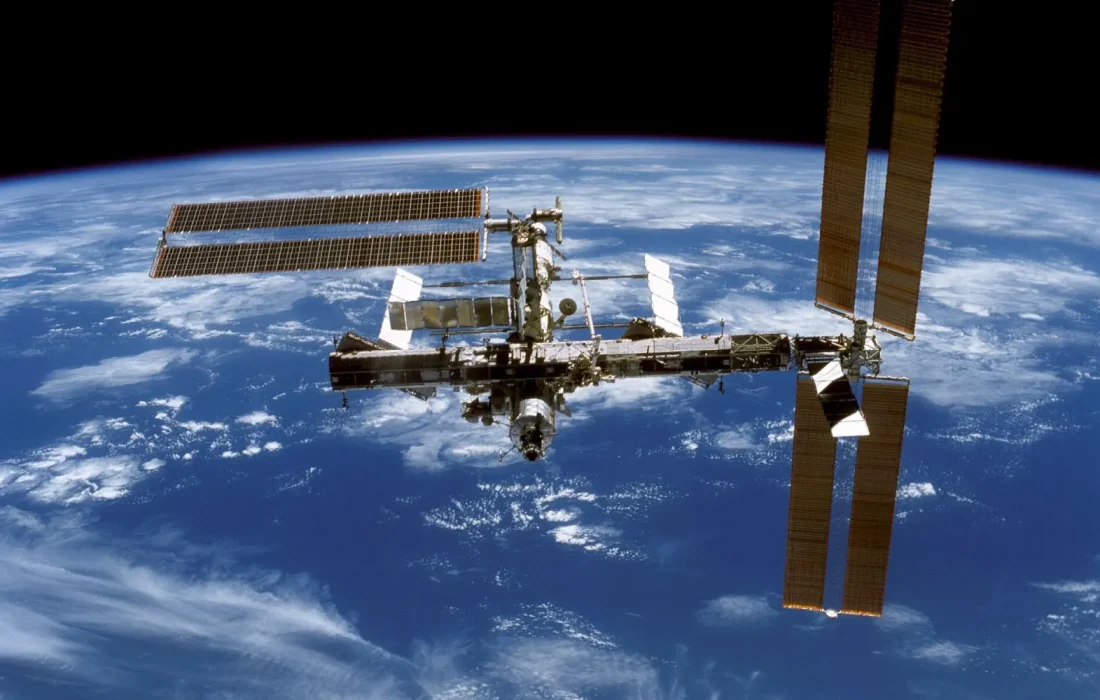
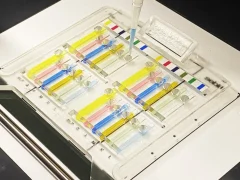
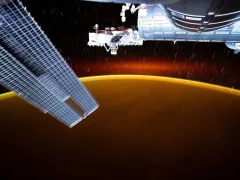
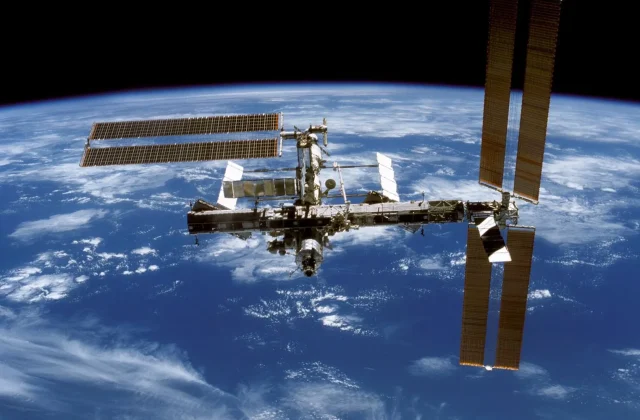
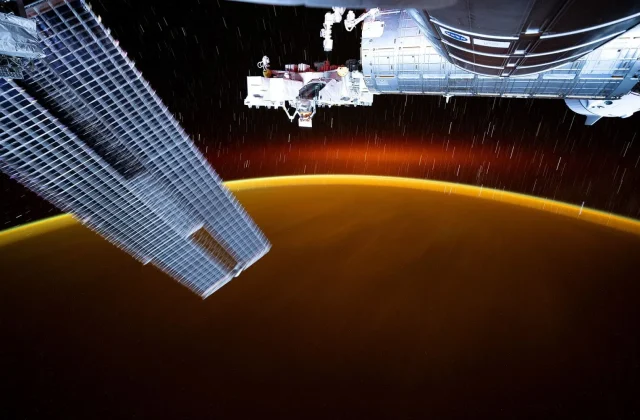
26 years in orbit: what happens to microgravity science as the space station nears retirement?
Continuous human presence on the space station has entered its 26th year. Ahead of a retirement planned for around 2030, scientists are…

Before You Buy a Telescope
How much should I budget for a first telescope?
A solid pair of binoculars or a 114–130 mm Dobsonian reflector will show you more than most expensive models when you're starting out.
Can you observe from the city?
The Moon, planets and bright double stars look great from the city too; faint galaxies need a dark sky.
Can I look at the Sun through a telescope?
Never look without a certified solar filter; permanent eye damage occurs within seconds.