





























































The biology of hibernation: how do hedgehogs drop their body temperature almost to freezing?
As the weather turns cold, many mammals prepare to get through winter by slowing their metabolism to an extraordinary degree. The ability is also a source of inspiration for medicine and space research.
Table of contents
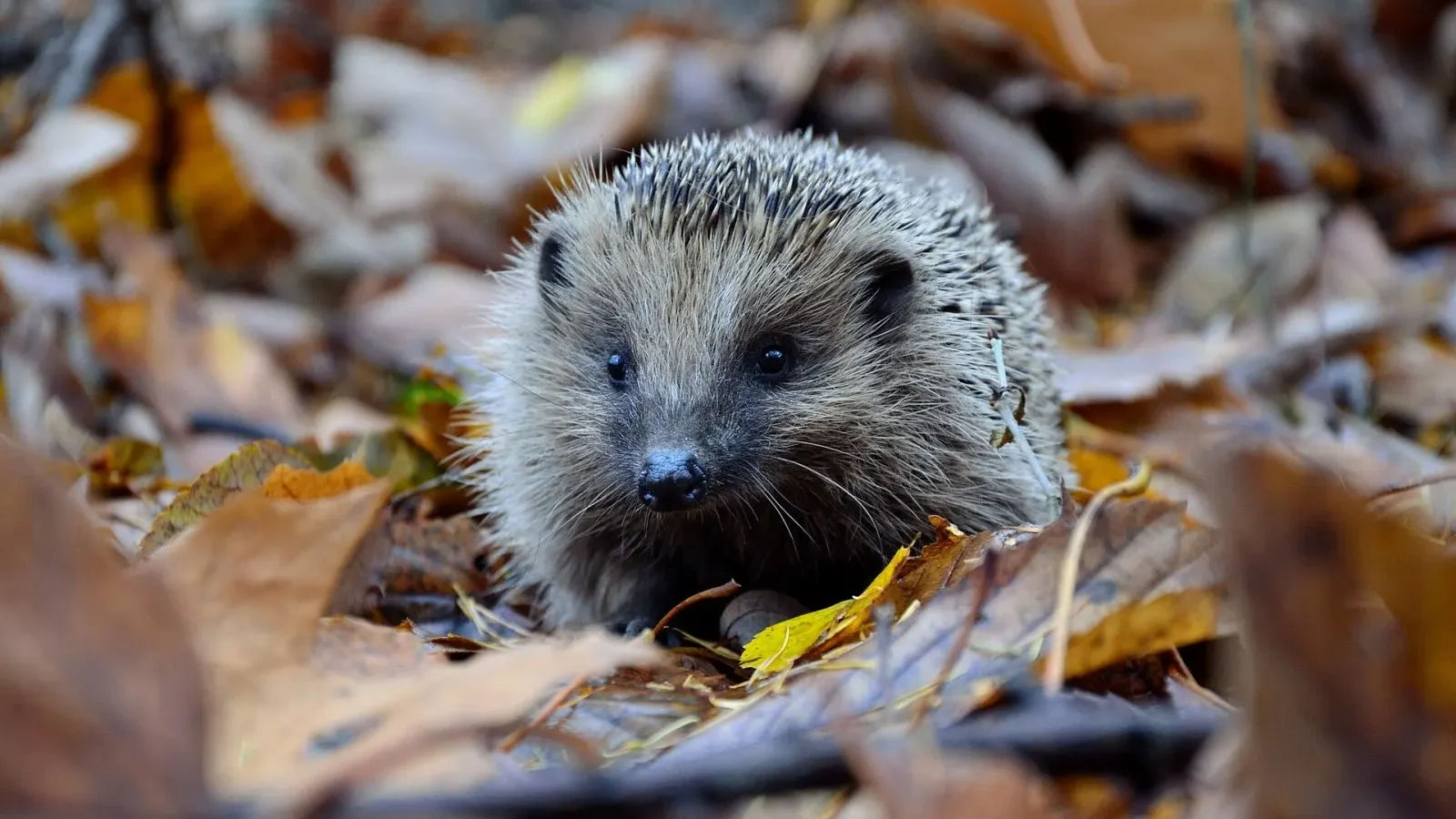
With the arrival of November, hedgehogs roaming gardens begin looking for nests under leaf piles to hibernate. True hibernation is not just a long sleep; it is a state controlled by the body in which metabolism slows to an extraordinary degree. A hedgehog's body temperature, normally around 35 degrees Celsius, can drop to just a few degrees, and its heart rate can fall from around 190 beats per minute to below 20. Some ground squirrels can even briefly lower their body temperature below zero. Scientists are trying to understand how these animals protect their organs from damage, because the answers could open the door to new ideas for organ transplantation and long space voyages.
Not sleep, but a controlled slowdown
Hibernation is a strategy animals have evolved to minimize energy use during the cold months when food is scarce. During this process, the animal enters periods of dormancy called torpor, in which metabolism can drop to a few percent of its normal level. In hedgehogs, body temperature is set to stay slightly above the ambient temperature; in other words, the animal doesn't let go entirely but sets its internal thermostat to a very low value. When the surroundings approach freezing, the body starts producing heat again.
Interestingly, hibernation is not an uninterrupted sleep. Throughout the winter, animals wake briefly at regular intervals, every few days or weeks, and raise their body temperature back to normal. These arousals use up most of the energy spent during hibernation. Scientists don't fully know why they are necessary; explanations such as restarting the immune system or completing certain repair processes in the brain have been proposed.
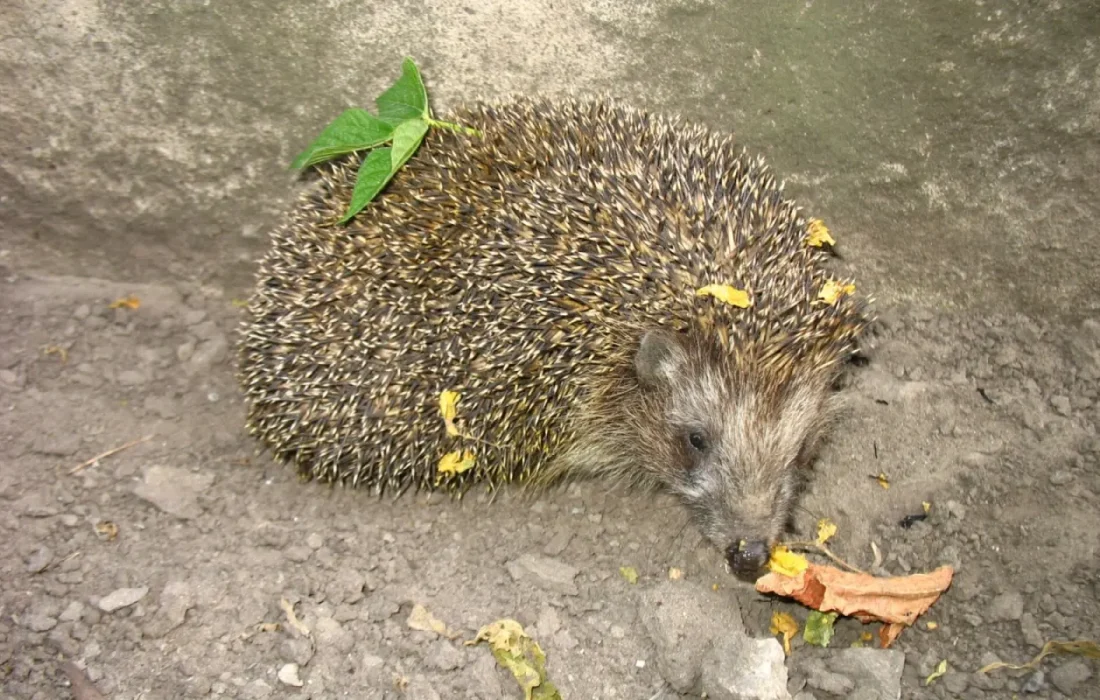
Hibernation is one of nature's most masterful solutions for saving energy.
Sophie Laurent
How do organs stay undamaged?
When a person's body temperature drops by even a few degrees, serious health problems can arise; the heart rhythm can be disrupted and tissues damaged. Hibernating animals, however, can stay healthy for weeks even though their body temperature falls to a few degrees and their blood flow almost comes to a standstill. What's more, the rapid rewarming of the body and surge in blood flow on waking do not cause the kind of serious tissue damage seen in humans after a heart attack or stroke.
Researchers think special molecular mechanisms that protect cells against oxygen deprivation and cold lie behind this resilience. In the cells of hibernating animals, protein production has been observed to slow, cell membrane structure to change and the systems that clear damaged molecules to work differently. The fact that bears lose very little bone and muscle despite barely moving all winter is also one of the questions scientists are most curious about.
Inspiration for medicine and space research
Understanding the secrets of hibernation could open the door to important medical applications. Possible uses include keeping organs awaiting transplant healthy for longer and protecting tissues from oxygen deprivation during severe injuries or major surgery. Some hospitals already lower body temperature in a controlled way to protect the brain after cardiac arrest; but these procedures are very different from natural hibernation and are carried out under the close supervision of specialist teams.
| Topic | Biology |
|---|---|
| Highlights | ecology, genetics, health research |
| Reading time | 5 minutes |
| Written by | Sophie Laurent |
Key takeaways
- Hibernation is a state in which metabolism slows down to an extraordinary degree in a controlled way.
- Hibernating animals suffer no organ damage despite low body temperature and blood flow.
- These mechanisms could inspire advances in organ transplantation and long space voyages.
Space agencies and researchers are also exploring the idea of inducing an artificial state of torpor for long space voyages. On a months-long journey to Mars, slowing astronauts' metabolism could reduce their need for food, water and oxygen and limit the effects of prolonged inactivity on the body. For now, though, the idea sits somewhere between science fiction and science. Researchers stress that the fundamental mechanisms in hibernating animals must first be fully understood.
What do you think about this post?
Leave a comment