






























































How do migratory birds find their way? The secret of the magnetic compass in their eyes is unfolding
As the autumn migration continues, researchers are strengthening the evidence that birds can sense the Earth's magnetic field with light-sensitive proteins in their eyes.
Table of contents
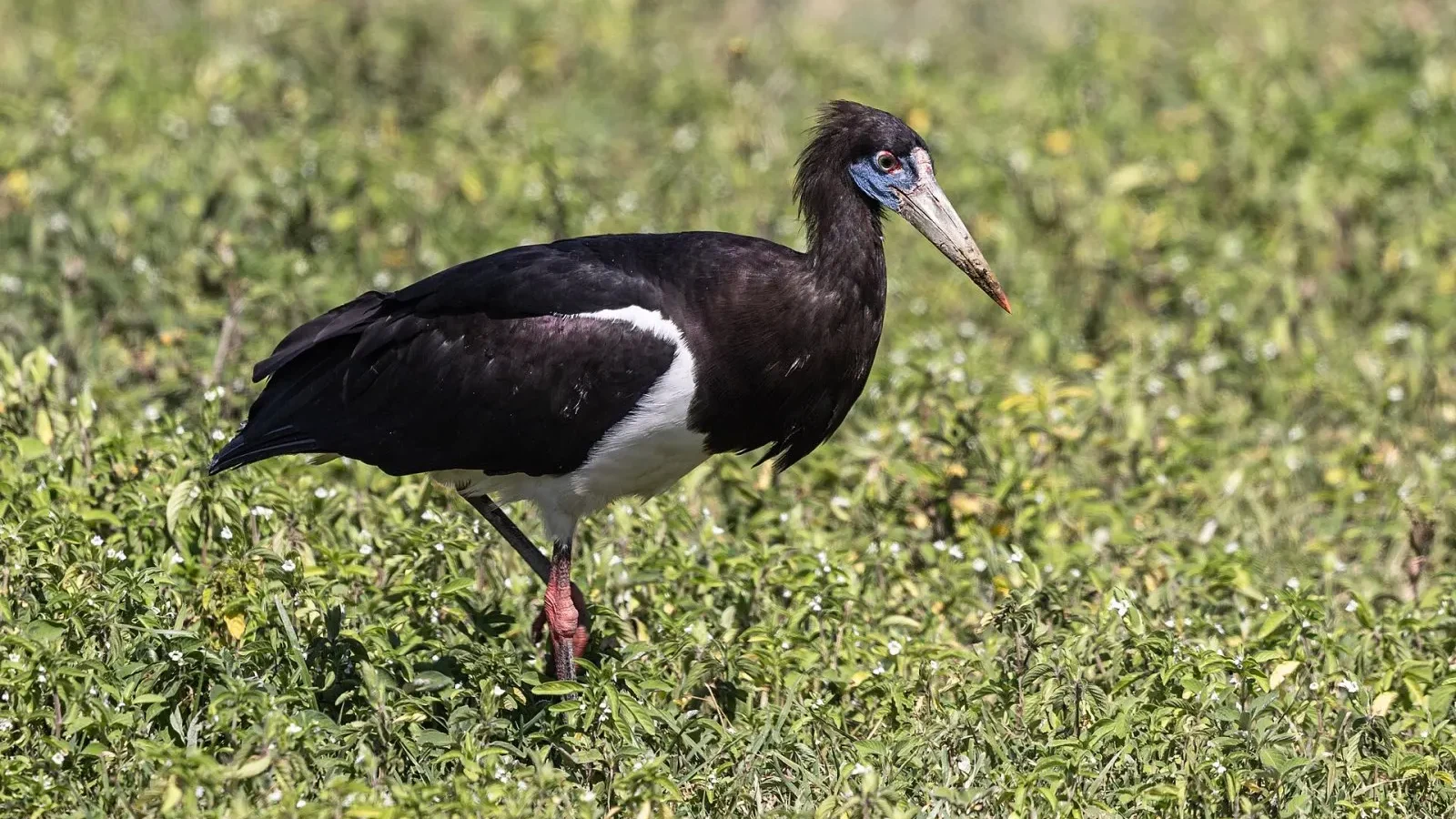
Every autumn, millions of birds set off on journeys of thousands of kilometers. The Strait of Gibraltar and the Bosphorus lie on two of the world's most important soaring migration routes for storks and birds of prey. So how do these birds find their way? Scientists have long known that the Sun, the stars and landmarks play a role. But the most astonishing ability is sensing the Earth's magnetic field. Research in recent years suggests that proteins called cryptochromes in birds' retinas allow them to practically see the magnetic field, thanks to a light-triggered process at the quantum level. This autumn, observation points along the flyways offer unique opportunities to watch this puzzle unfold live.
The Sun, the stars and the magnetic field
The navigational skill of migratory birds is one of biology's oldest puzzles. Experiments show that birds do not rely on a single method but use several compasses together. Species that migrate by day use the position of the Sun and can hold their course by correcting for its movement through the day with their internal clocks. Many songbirds that migrate at night use the stars; classic experiments under artificial skies showed that these birds learn the star patterns rotating around the celestial pole.
Yet birds don't lose their way on cloudy nights or on days when the Sun is hidden. One of the main reasons is that they can sense the Earth's magnetic field. In lab experiments, when the surrounding magnetic field was artificially rotated, the birds changed their orientation accordingly. Interestingly, rather than pointing north like a compass needle, a bird's magnetic compass senses the tilt of the field lines relative to the ground. In other words, birds can tell whether they are heading toward the pole or toward the equator.

A migratory bird uses more than one compass at the same time to find its way.
Sophie Laurent
Cryptochrome: a quantum compass in the eye
So where is this magnetic sense located? For a long time, scientists suspected iron-containing structures in birds' beaks, but research in recent years has turned attention to the eyes. When proteins called cryptochromes in birds' retinas absorb blue light, a short-lived pair of molecules carrying unpaired electrons, called a radical pair, forms inside them. The quantum states of these electrons can be influenced by the Earth's weak magnetic field, which in turn can change the outcome of a chemical reaction.
If this mechanism is correct, birds may perceive the magnetic field as a faint pattern overlaid on their field of vision. One piece of evidence supporting the idea is that in some experiments, very weak radio-frequency noise disrupted birds' magnetic navigation. Such an effect can be explained by the disruption of delicate quantum-level processes. Still, not every detail of the mechanism has been worked out, and some researchers argue that iron-containing sensors may also play a separate role.
The great flyways
The Mediterranean basin serves as a vital bridge for birds migrating between Europe and Africa. Large soaring birds such as white storks, black kites, buzzards and eagles avoid long sea crossings, preferring overland routes where thermals form. As a result, in autumn the Strait of Gibraltar and the Bosphorus become bottlenecks through which tens of thousands of raptors and storks pass. Counts carried out at these sites provide valuable data on the state of Europe's bird populations.
| Topic | Biology |
|---|---|
| Highlights | ecology, quantum, science communication |
| Reading time | 6 minutes |
| Written by | Sophie Laurent |
Key takeaways
- Migratory birds use several compasses together, including the Sun, the stars and the magnetic field.
- Cryptochrome proteins in the retina are thought to sense the magnetic field at the quantum level.
- The Strait of Gibraltar and the Bosphorus are among the world's key crossing points for soaring migrants.
Birdwatchers and volunteers carry out regular counts at these sites from late August to late October; by November, the migration of soaring birds is largely over. These counts are also used to understand how climate change is affecting migration timing. Some species have been observed starting their migration later or tending to spend the winter farther north. Experts point out that light pollution, wind turbines and power lines along migration routes need to be planned carefully with birds in mind.
What do you think about this post?

Leave a comment