













































science communication
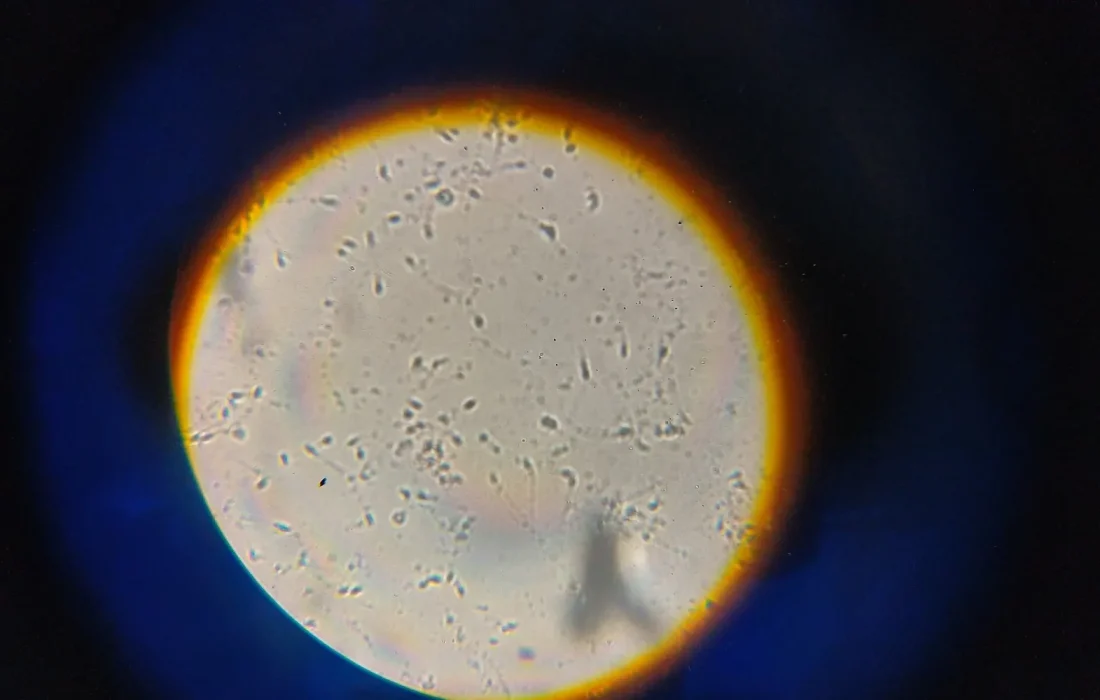
The world hidden in a drop of pond water: single-celled life under the microscope, in photos
A single drop of water taken from an ordinary lakeshore holds a surprising variety of life, from slipper-shaped paramecia to glass-shelled diatoms.
Do gut bacteria affect our sleep? A new study’s findings and its limits
Researchers at the Meridian Institute of Life Sciences have reported a striking link between the gut microbiota and sleep quality. But that…
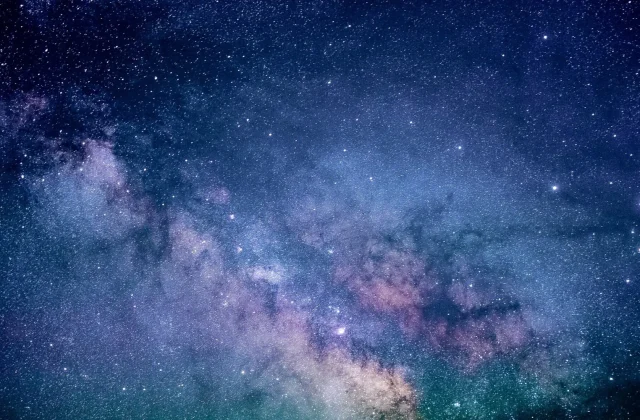
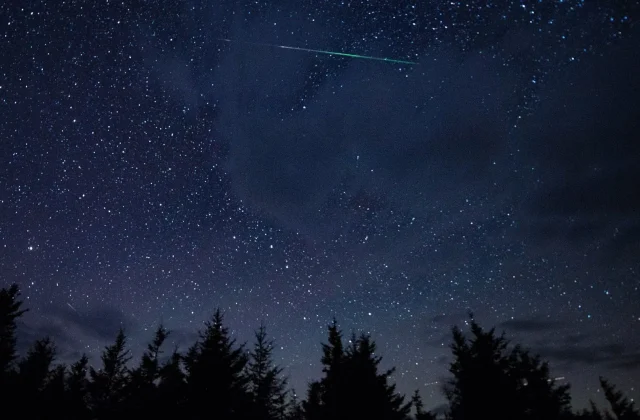
Deep-sky targets for November nights: a photo tour from Andromeda to the Pleiades
Long autumn nights offer impressive targets, from the Andromeda Galaxy, one of the most distant objects visible to the naked eye, to…
Astrophysicist Prof. Natalie Kerr: ‘We now both see and hear the universe’
We talked merging black holes, space-based detectors and young researchers with Prof. Natalie Kerr, who leads the gravitational-wave group at the Ridgeview…
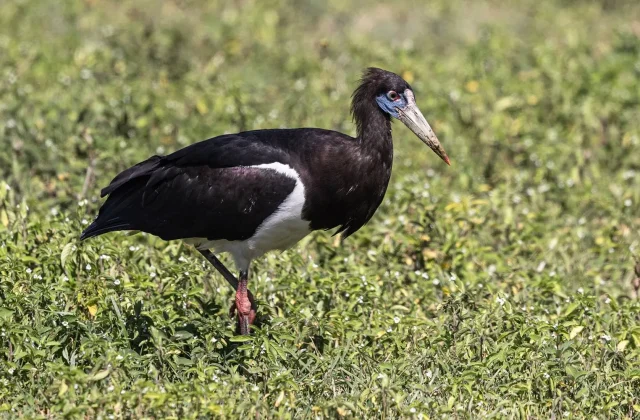
How do migratory birds find their way? The secret of the magnetic compass in their eyes is unfolding
As the autumn migration continues, researchers are strengthening the evidence that birds can sense the Earth's magnetic field with light-sensitive proteins in…
Curiosity Week kicks off: observing nights, hands-on workshops and planetarium shows
Organized by the Ridgeview Astronomy Center, Curiosity Week brings science to visitors of all ages from 23 to 29 November.
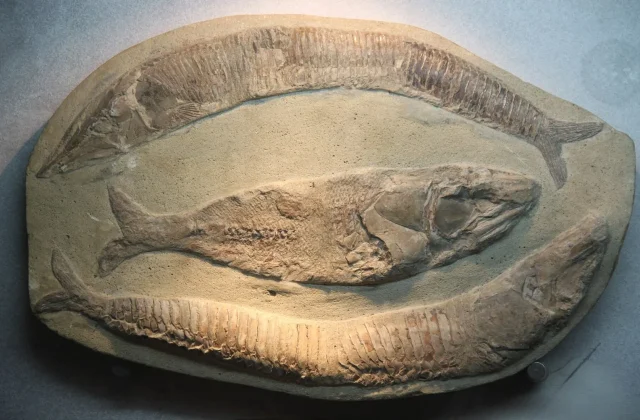
A new witness to the fish-to-land transition: Devonian fossil found in Greenland surprises scientists
Described by an international team, the roughly 370-million-year-old fossil reveals a transitional creature with both gill arches and powerful forelimbs.
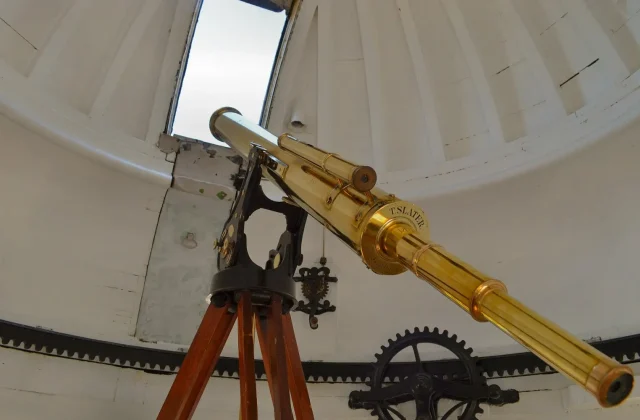
Quote of the week: ‘The sky is humanity’s shared laboratory that never closes’
A saying often repeated at observing nights by Prof. Harold Eaton, founding director of the Ridgeview Astronomy Center, is a reminder of…