




























































The world hidden in a drop of pond water: single-celled life under the microscope, in photos
A single drop of water taken from an ordinary lakeshore holds a surprising variety of life, from slipper-shaped paramecia to glass-shelled diatoms.
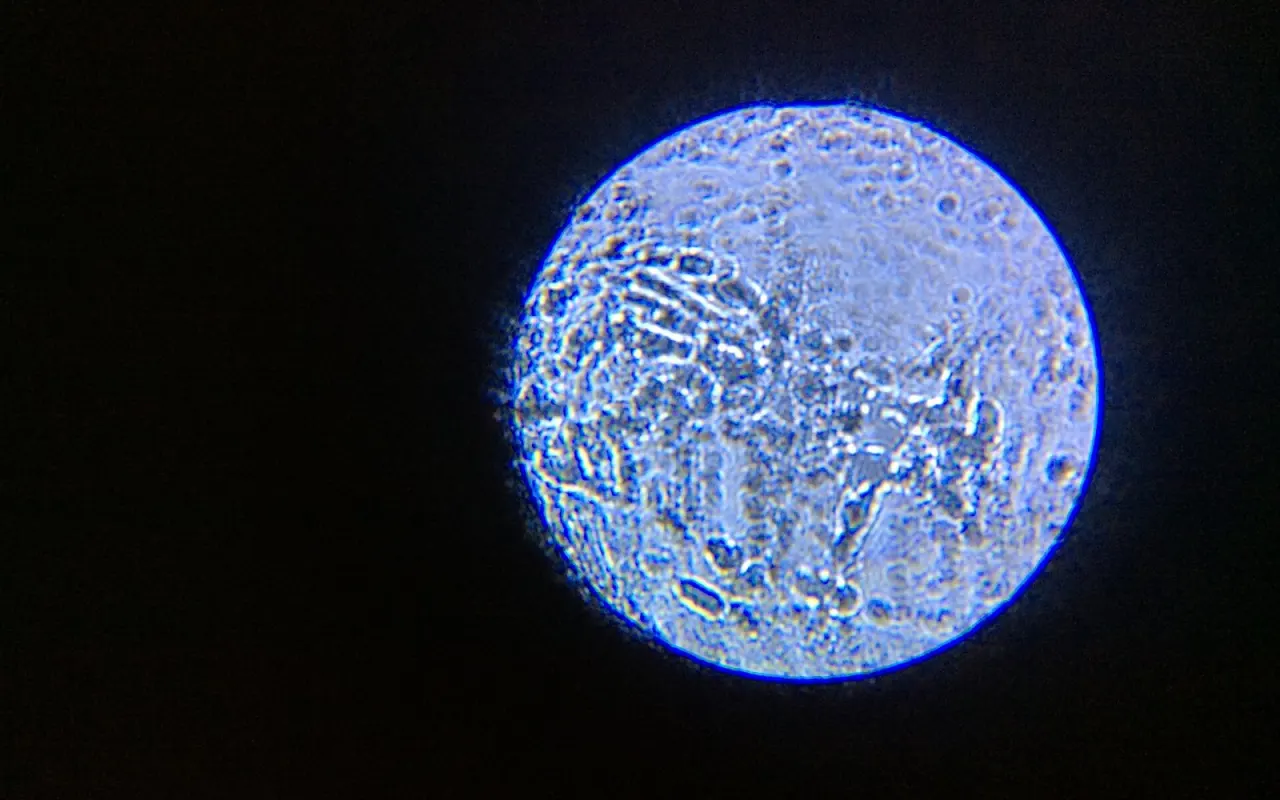
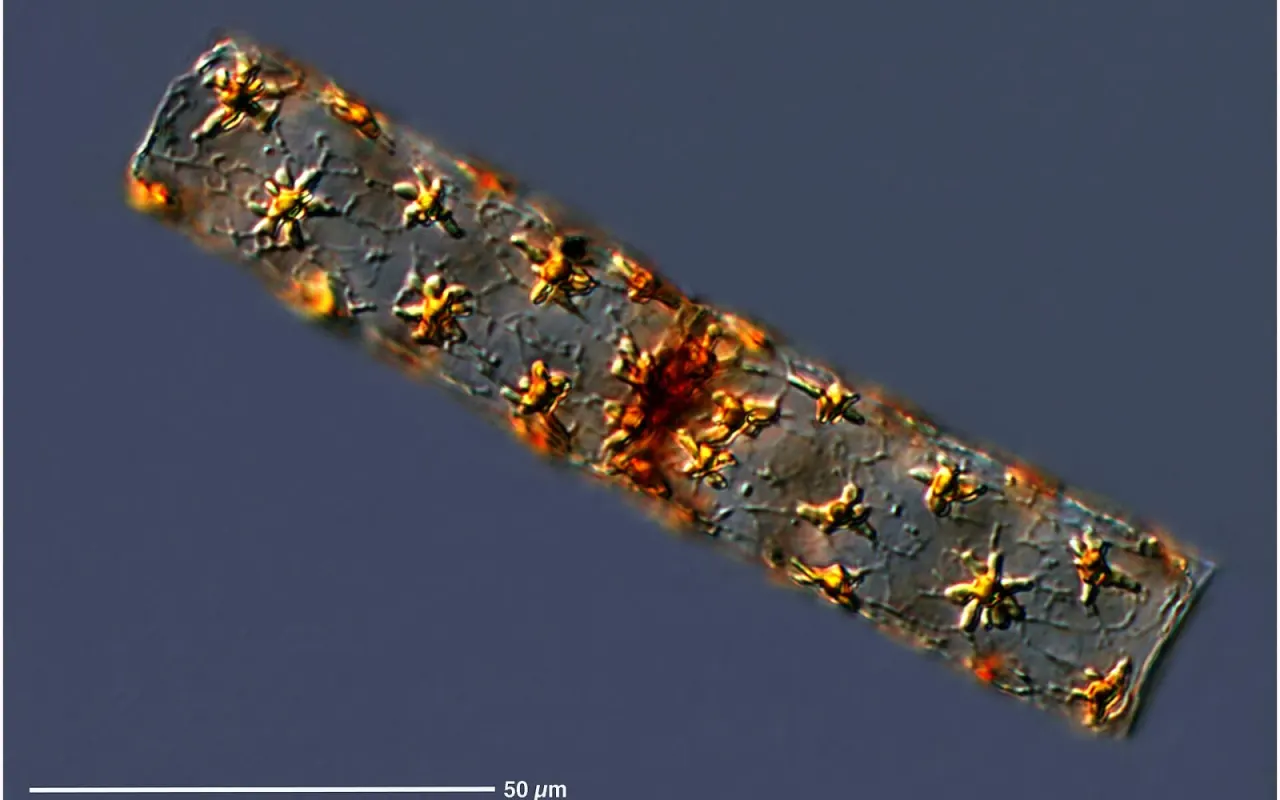
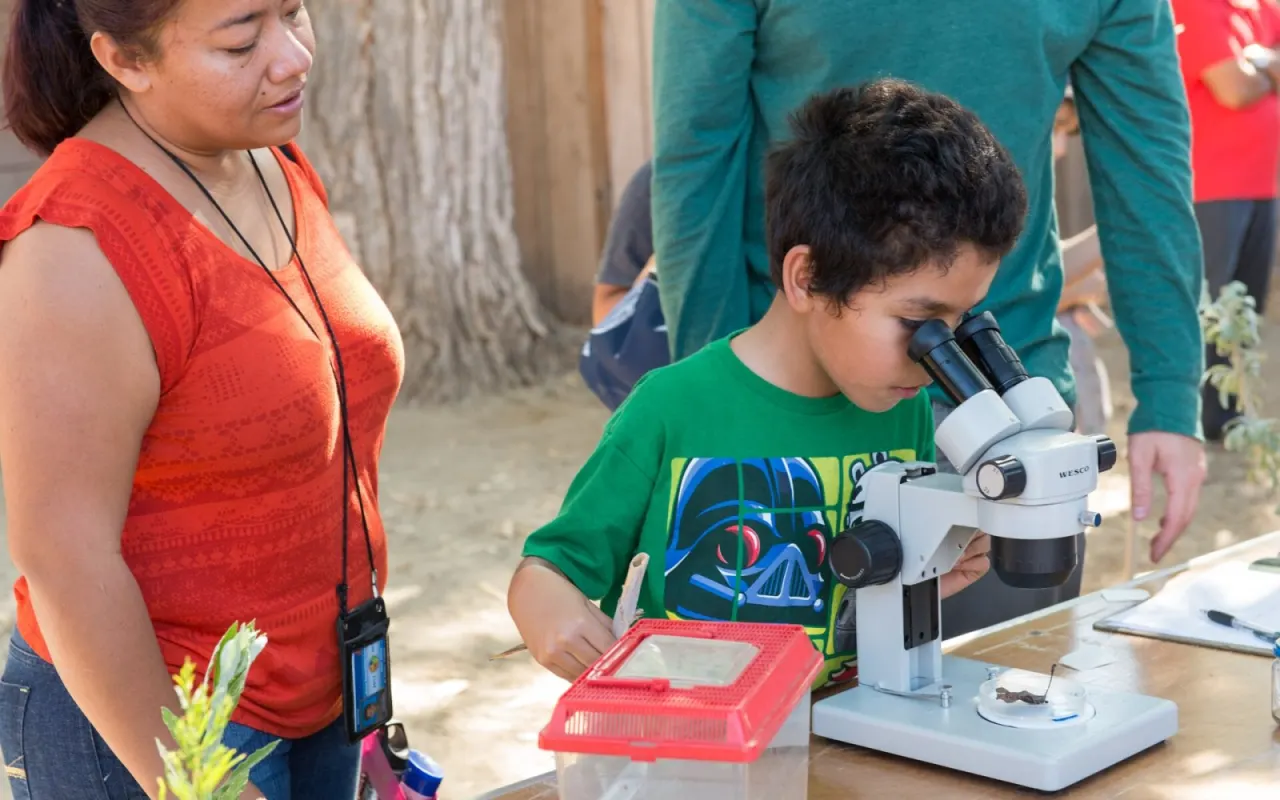
Table of contents
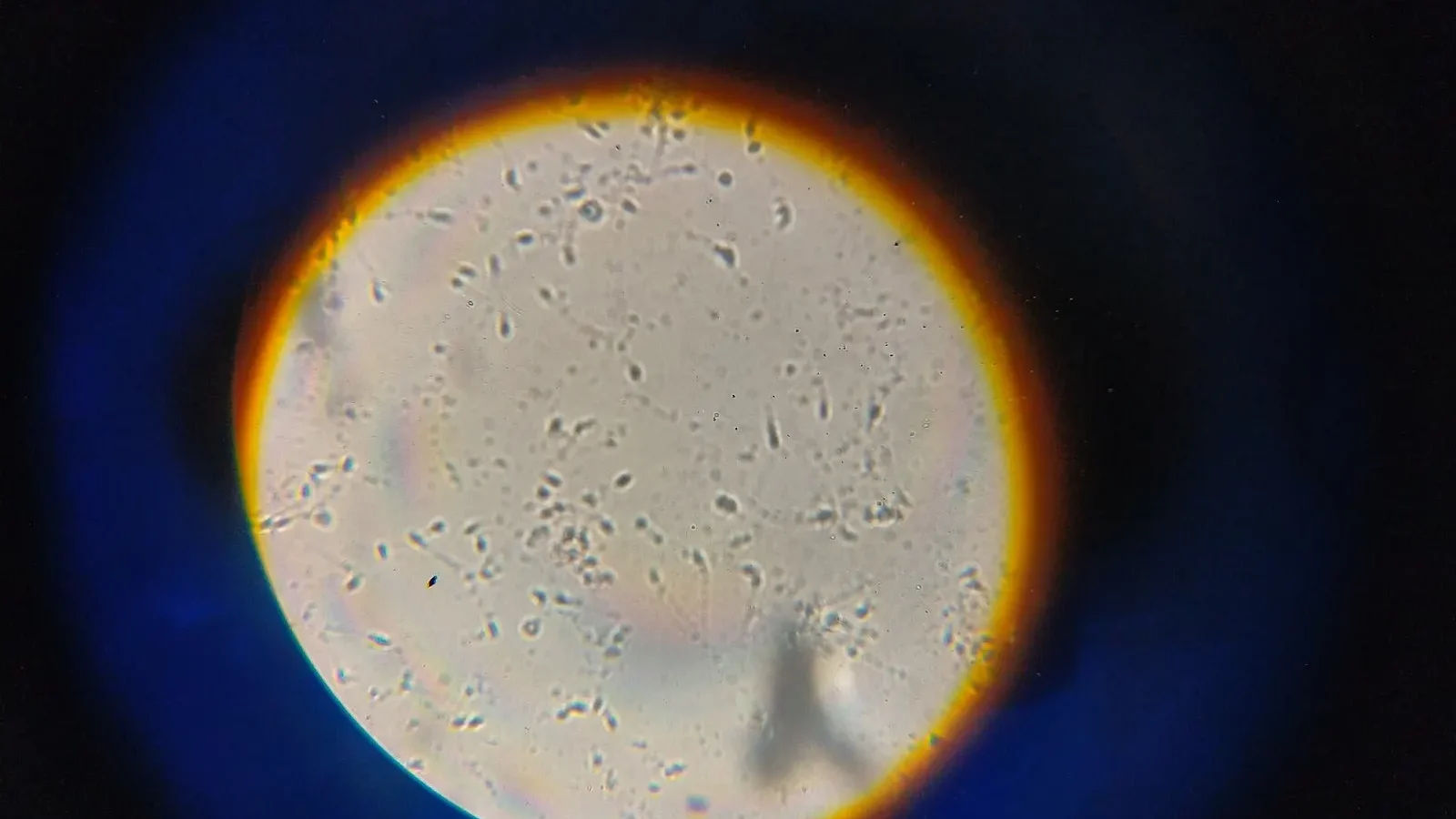
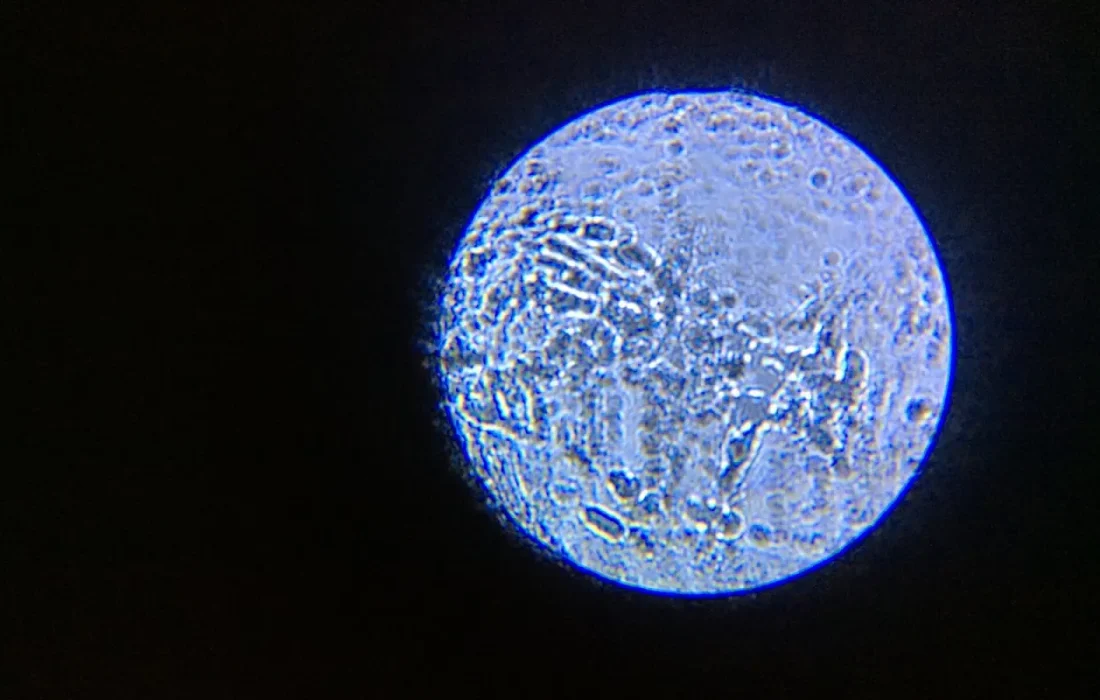
Water scooped into a jar from a lakeshore looks cloudy and ordinary at first glance. Yet put a single drop under a microscope and you are faced with a lively, colorful and extremely crowded world. Paramecia rowing with their cilia, amoebas moving by changing shape, diatoms forming geometric patterns with their glass shells made of silica, and rotifers, which are not single-celled but astonish with their tiny size, are among the residents of this world. In this photo selection, we have gathered the micro-organisms commonly found in freshwater ecosystems in the autumn months, along with simple ways to observe them at home. With a basic school microscope and a little patience, you too can explore this invisible world at your kitchen table.
Paramecia and amoebas: masters of movement
Known as the slipper animalcule, the paramecium gets its common name from its shape, which resembles the sole of a shoe. Thousands of cilia covering its surface beat in coordinated waves, propelling the cell through the water in a spiraling motion. This single-celled organism takes in bacteria and small algae through an indentation called the oral groove and digests them in food vacuoles. Watching a paramecium back up and change direction under the microscope when it bumps into an obstacle clearly shows how complex the behavior of a single cell can be.
Amoebas, on the other hand, use an entirely different strategy to move. They push their cell membranes forward in extensions called pseudopods, practically flowing along, and use the same extensions to engulf their food. Since they have no fixed shape and look different from moment to moment, amoebas are easier to find in samples taken from the mud and decaying leaves on a lake bottom. Patience is needed when observing them; because they move so slowly, at first glance they can look like a lifeless particle or a small speck of dirt.
A drop of water is a whole city our eyes cannot see.
Sophie Laurent
Diatoms: architects in glass
Diatoms are single-celled algae that enclose their cells in a two-part shell made of silica, the main component of glass. These shells carry extraordinarily regular patterns of pores and lines that vary by species; some are star-shaped, some boat-shaped and others box-shaped. With tens of thousands of known species, diatoms photosynthesize and are responsible for a significant share of the planet's oxygen production. Forming the base of the food chain in oceans and fresh water, they are also sensitive indicators of water quality.
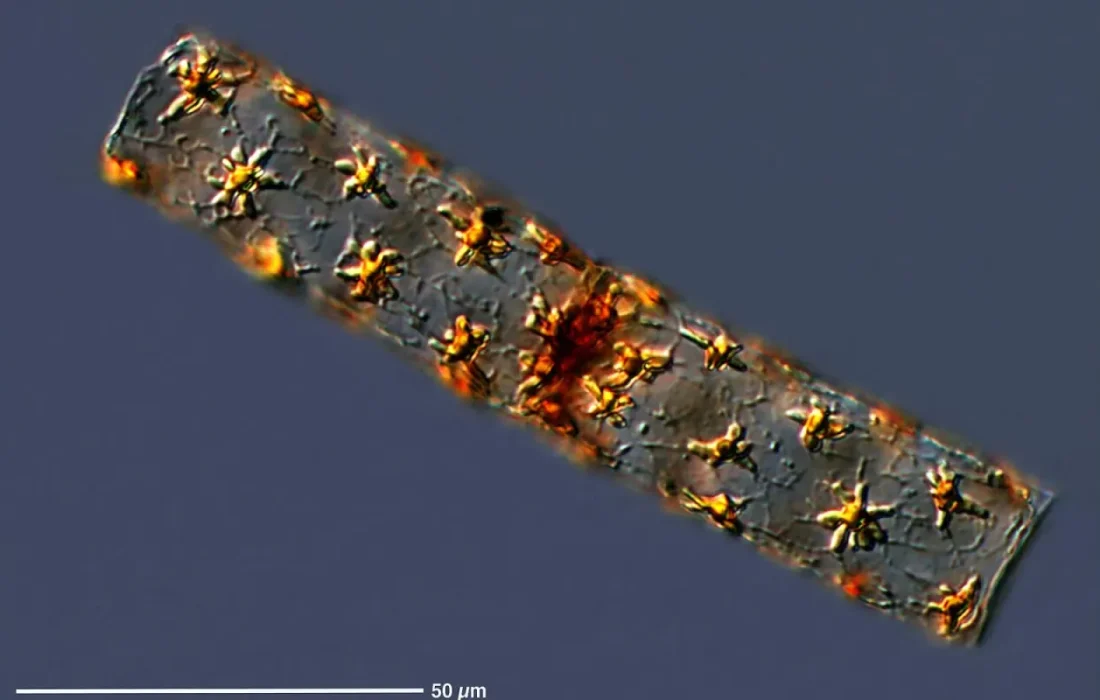
The shells of diatoms that sink after they die can build up thick layers over millions of years. This light, porous rock, called diatomite, is used in many applications, from filtration to insulation. By studying the diatom species in sediment cores taken from lake beds, scientists can also reconstruct past climate and water conditions. Nanotechnology researchers, meanwhile, are trying to understand how diatoms produce such precise patterns, because manufacturing structures at the same scale in the lab is still quite difficult.
When observing with a microscope at home
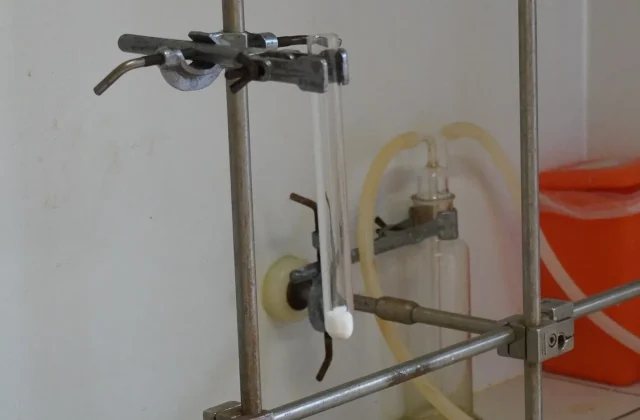
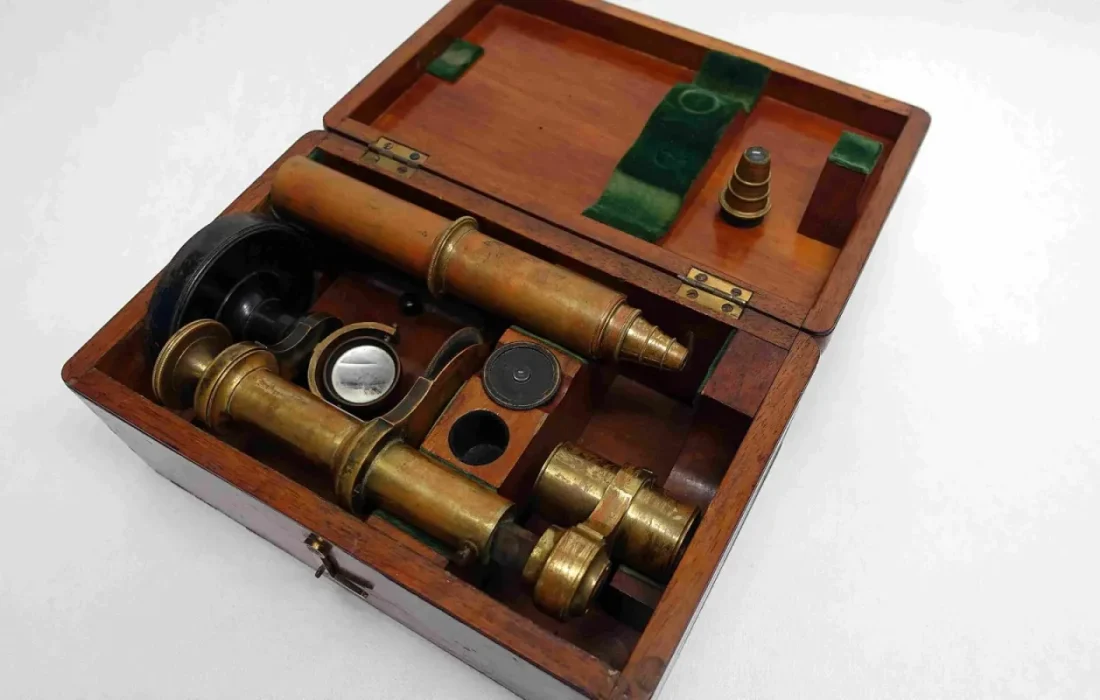
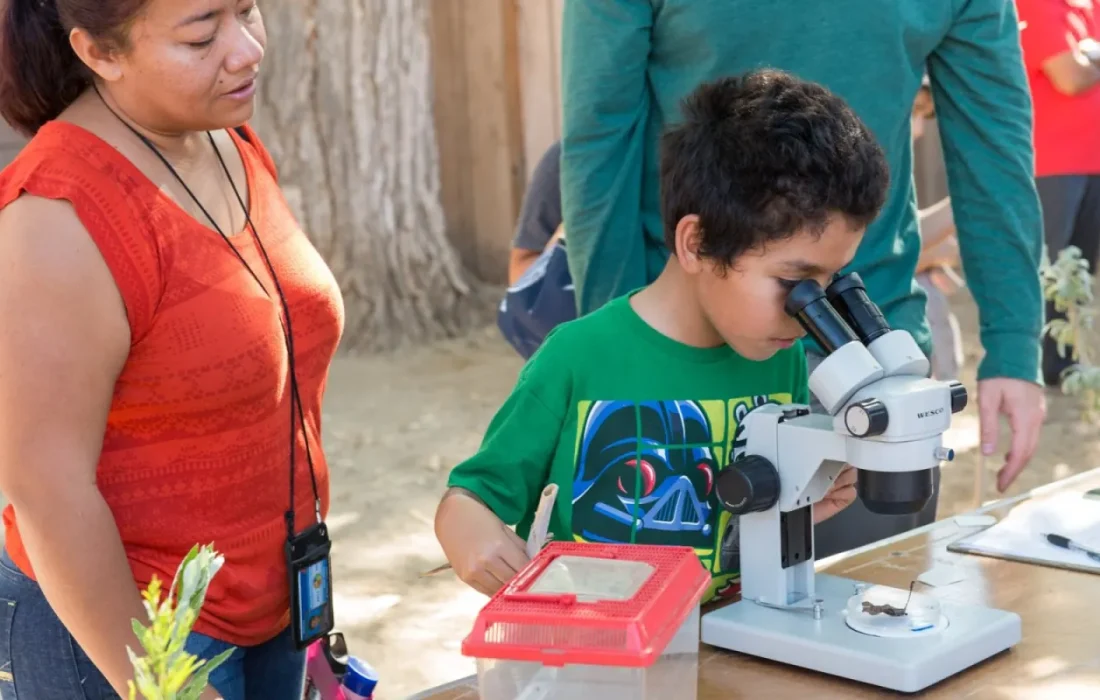
You don't need an expensive research microscope to explore this world; a simple student microscope offering 40 to 400 times magnification is enough to start. Collect water in a clean jar from the edge of a lake or pond, especially where there are aquatic plants and decaying leaves. Leaving the jar, not fully sealed, for a few days in a bright spot out of direct sunlight lets the organisms multiply. Then simply place a drop on a slide and cover it with a coverslip.
| Topic | Biology |
|---|---|
| Highlights | microscope, ecology, science communication |
| Reading time | 5 minutes |
| Written by | Sophie Laurent |
Key takeaways
- A single drop of pond water holds a rich variety of life, from single-celled organisms to tiny animals.
- With their glass shells, diatoms both produce oxygen and preserve traces of past climates.
- Safe, educational observations can be made at home with a simple student microscope.
To slow down fast-moving paramecia, adding a few cotton fibers to the drop works well; the fibers create small obstacles in their path. You can boost the contrast of transparent cells by dimming the light and adjusting the diaphragm. Recording your observations with sketches or photos taken by holding your phone over the eyepiece lets you build your own species catalog over time. After working with water from nature, remember to wash your hands and pour the samples back where you found them.
What do you think about this post?
2 Comments
Really useful piece, thank you for putting it together.
I had never thought about this side of it. Looking forward to a follow-up.