

























































November sky guide: the Leonid meteor shower, Saturn’s rings and dark nights
Peaking on the night of 17–18 November, the Leonid meteor shower offers observers a dark sky as the Moon sets around midnight. Saturn takes the stage in the evening, Jupiter after midnight.
Table of contents
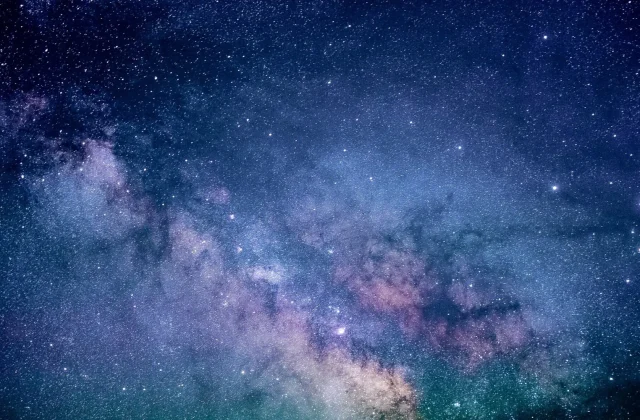
November is one of the most generous months of the year for skywatchers. The month's most anticipated event is the Leonid meteor shower, peaking on the night of 17–18 November. With the first-quarter Moon setting around midnight, observers away from light pollution will have a fairly dark sky in the hours before dawn. Around the new moon on 9 November, the Northern Taurids will try their luck with slow, bright fireballs. Saturn, rising in the southern sky in the evening, remains an ideal telescope target after its opposition in early October. As the night goes on, Jupiter joins the show, climbing above the eastern horizon. In our guide, we explain step by step which night, what time and where to look.
The Leonids: a show that starts when the Moon sets
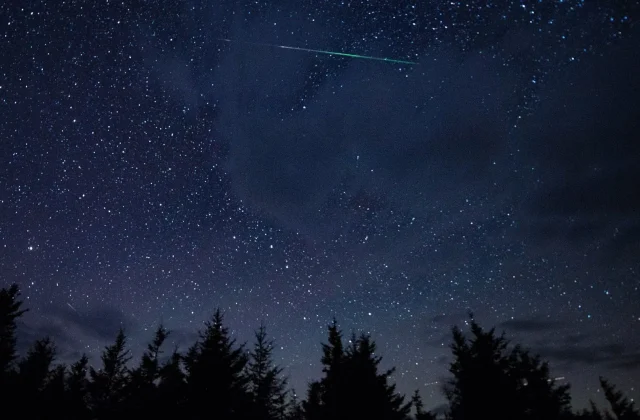
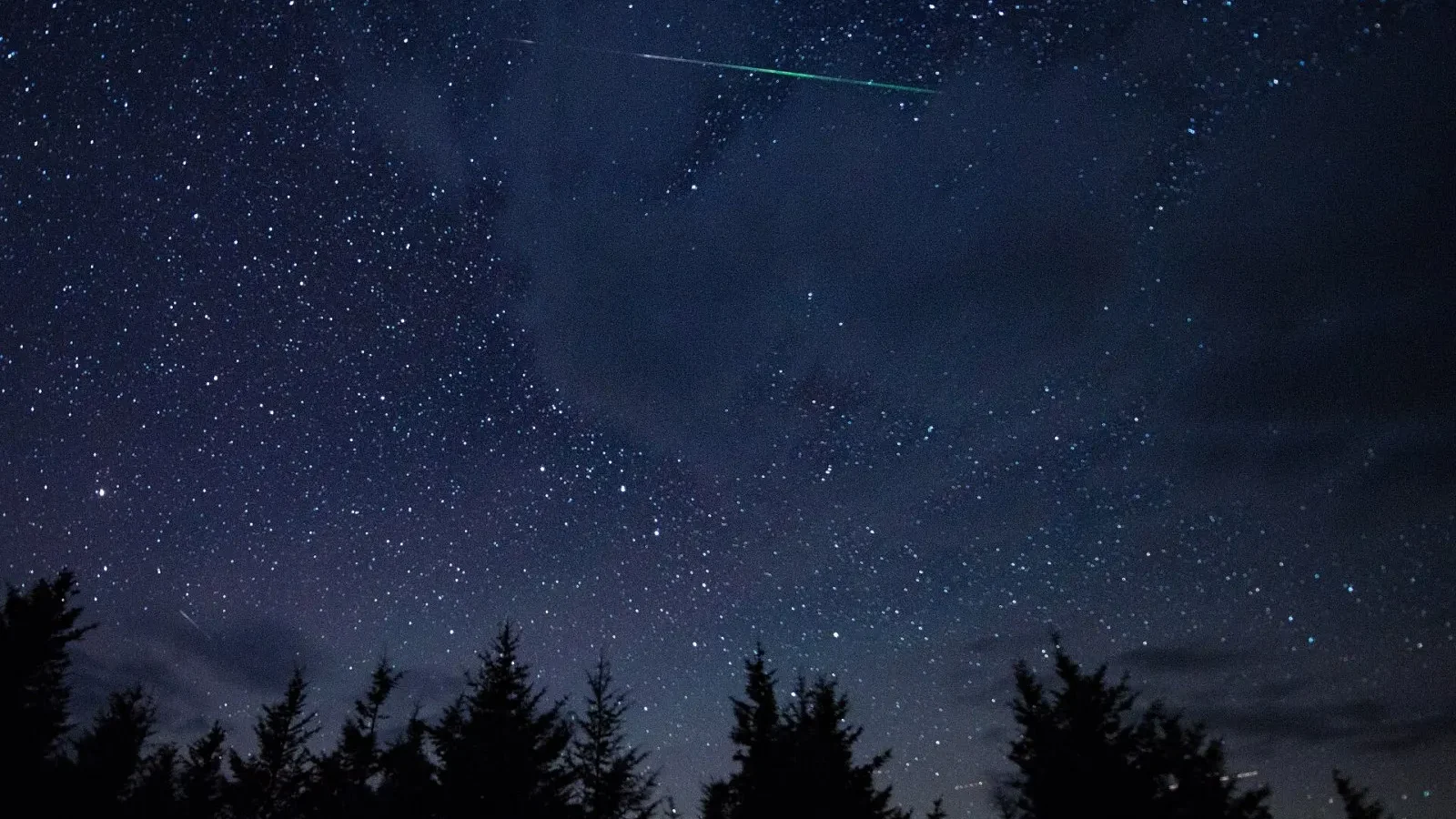
Leonid meteors come from dust particles left behind by comet 55P/Tempel-Tuttle, which orbits the Sun about once every 33 years. Every November, the Earth passes through this stream of dust, and particles the size of grains of sand enter the atmosphere at about 71 kilometers per second and burn up. That speed makes the Leonids one of the fastest meteor showers known, which is why many meteors leave behind a trail that glows for several seconds. Fast meteors also often appear in greenish and white hues.
This year, the peak is expected on the night of 17–18 November. The shower's radiant, the point from which the meteors appear to originate, lies in the constellation Leo and rises above the eastern horizon toward midnight. Since the first-quarter Moon sets at about the same time, the best viewing window is from midnight until dawn. From a dark site, you can see 10 to 15 meteors an hour; meteor storms like those of 1966 or 1999–2002 are not expected this year.
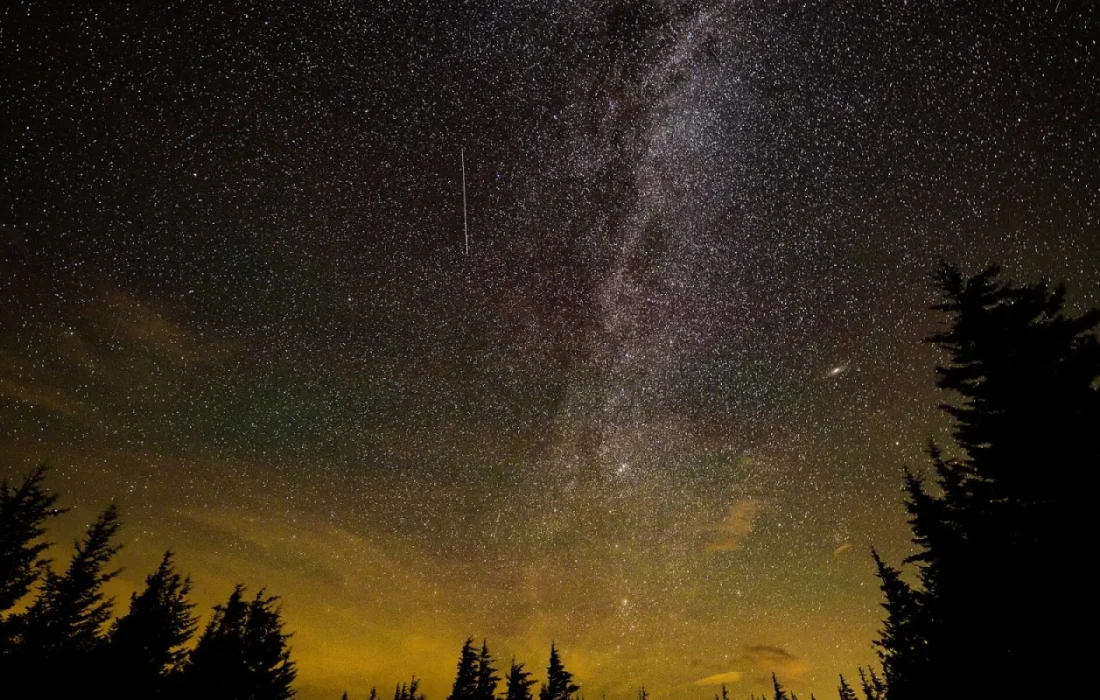
The best instrument for meteor watching is a pair of dark-adapted eyes.
Emily Carter
Saturn and Jupiter: a night for telescopes
Following its opposition on 4 October, Saturn remains the most eye-catching planet in the southern sky on November evenings. Seen as a steady, yellowish light in the region of Pisces, the planet's rings are slowly opening up after passing through their edge-on position in spring 2025. Because the rings are still seen at a narrow angle, they can look like a thin line in small telescopes. Its largest moon, Titan, can be picked out as a small dot near the planet even with a telescope magnifying 30 times.
Jupiter, rising above the eastern horizon toward midnight, will be one of the brightest points in the sky before dawn. The gas giant's cloud belts and its four large moons, Io, Europa, Ganymede and Callisto, can easily be observed with a small telescope. Because the moons' positions around the planet change every night, making simple sketches over several nights is an enjoyable way to relive, with your own eyes, the first telescopic observations made more than four hundred years ago. Uranus, reaching opposition in the last week of the month, is bright enough to be found with binoculars.
Practical tips for observing
You don't need a telescope or binoculars to watch meteors; on the contrary, a wide field of view makes the naked eye the best instrument. Choose a spot with an open horizon as far from city lights as possible, and wait at least twenty minutes for your eyes to adapt to the dark. It's important not to look at your phone screen during that time; if you need light, use a red flashlight. Since November nights can be frosty, warm clothes, a mat or folding lounge chair and a hot drink in a thermos will make the session far more enjoyable.
| Topic | Astronomy |
|---|---|
| Highlights | sky events, planets, telescope |
| Reading time | 7 minutes |
| Written by | Emily Carter |
Key takeaways
- The Leonid shower peaks on the night of 17–18 November; the best hours are from midnight until dawn.
- Saturn can be seen in the south in the evening, Jupiter in the east after midnight.
- For observing, a dark site, patience and warm clothes matter more than a telescope.
Aiming your gaze not directly at the radiant but at a dark patch of sky 40–50 degrees away from it lets you see longer trails. Noting the meteors you see along with the time and their brightness can also turn your observations into scientific data; international meteor observation networks have been compiling amateurs' counts for years. For those who want to take photos, a wide-angle lens, a sturdy tripod and exposures of 15–25 seconds are a good start. If it's cloudy, don't despair; the shower continues at lower rates on the nights before and after the peak.
What do you think about this post?
2 Comments
Really useful piece, thank you for putting it together.
I had never thought about this side of it. Looking forward to a follow-up.