




























































Deep-sky targets for November nights: a photo tour from Andromeda to the Pleiades
Long autumn nights offer impressive targets, from the Andromeda Galaxy, one of the most distant objects visible to the naked eye, to the Pleiades star cluster.
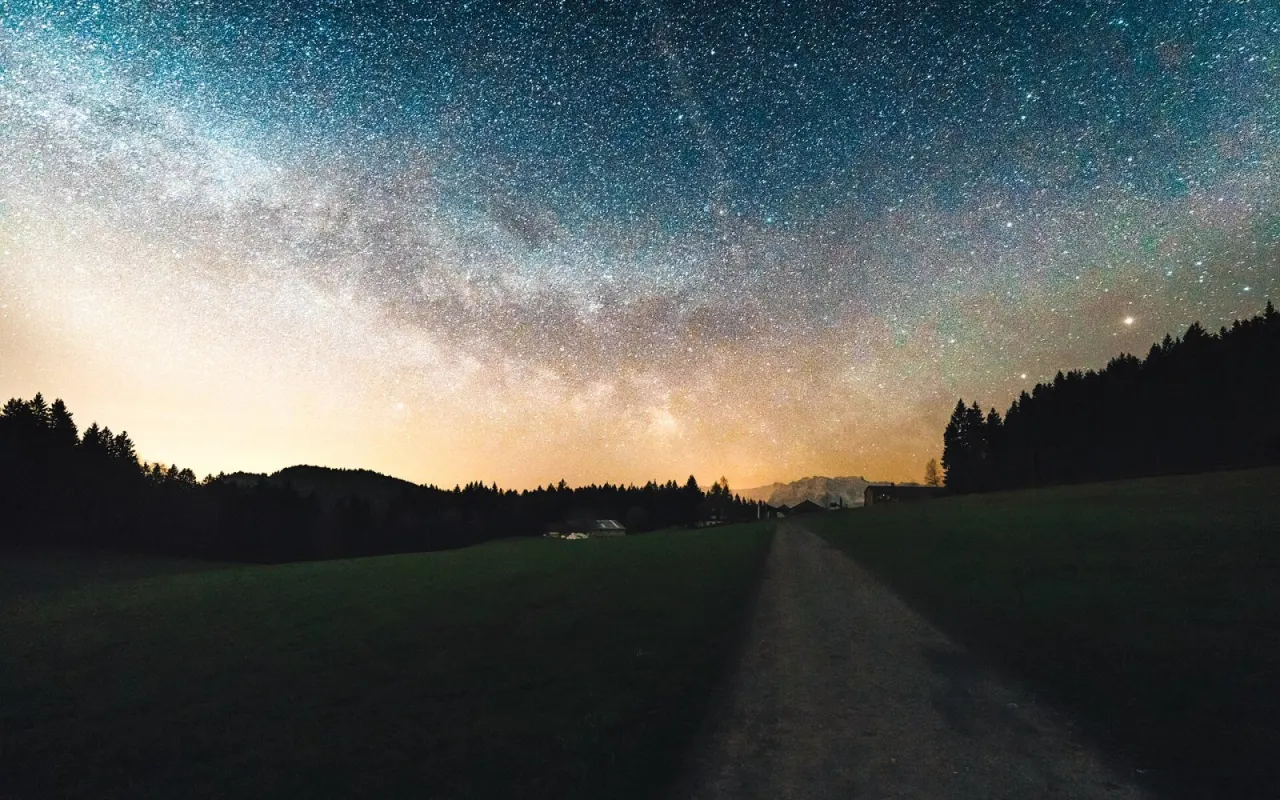
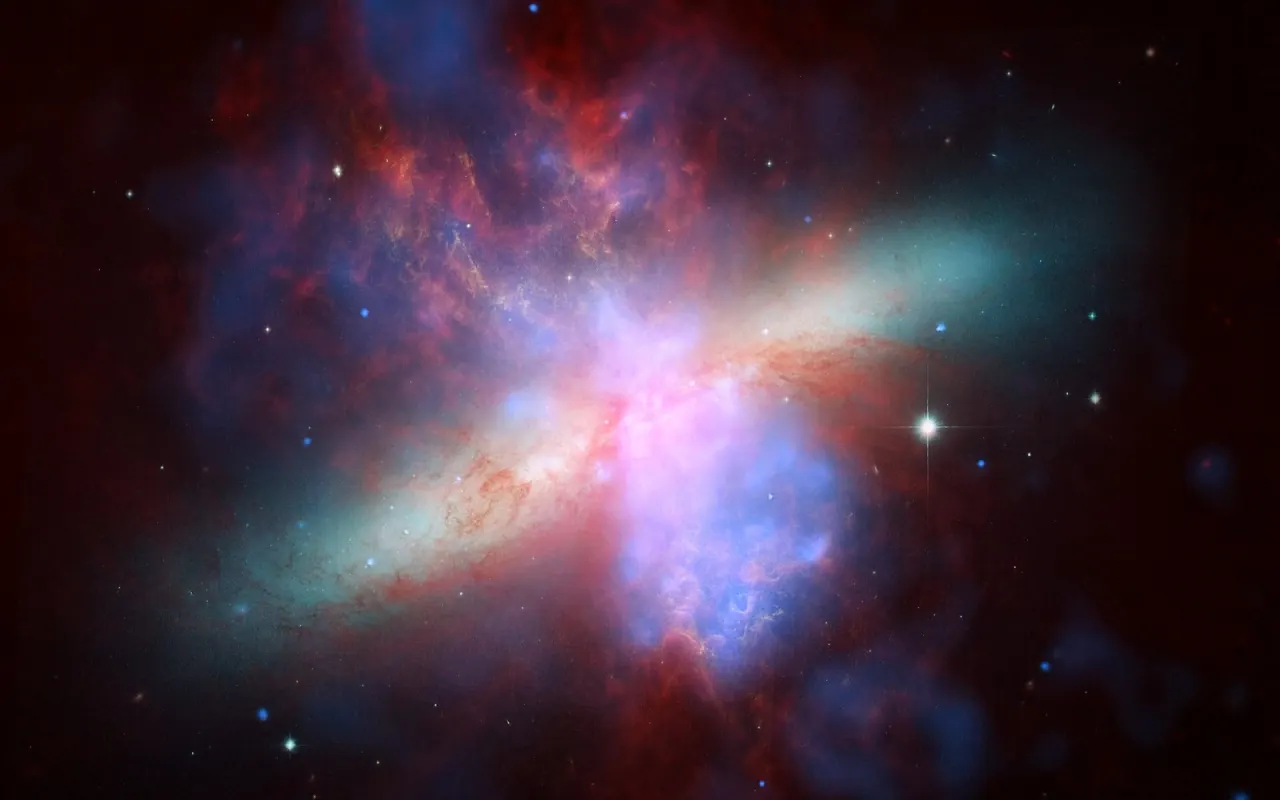
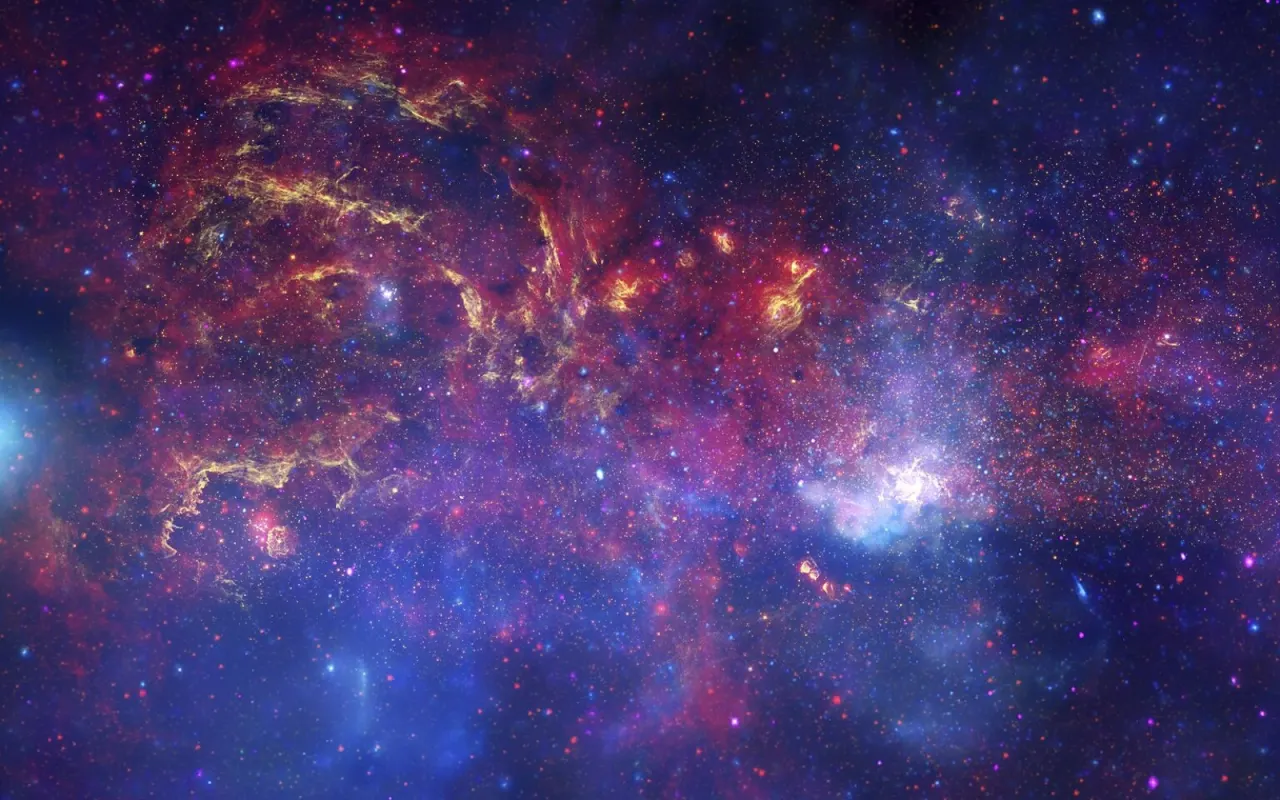
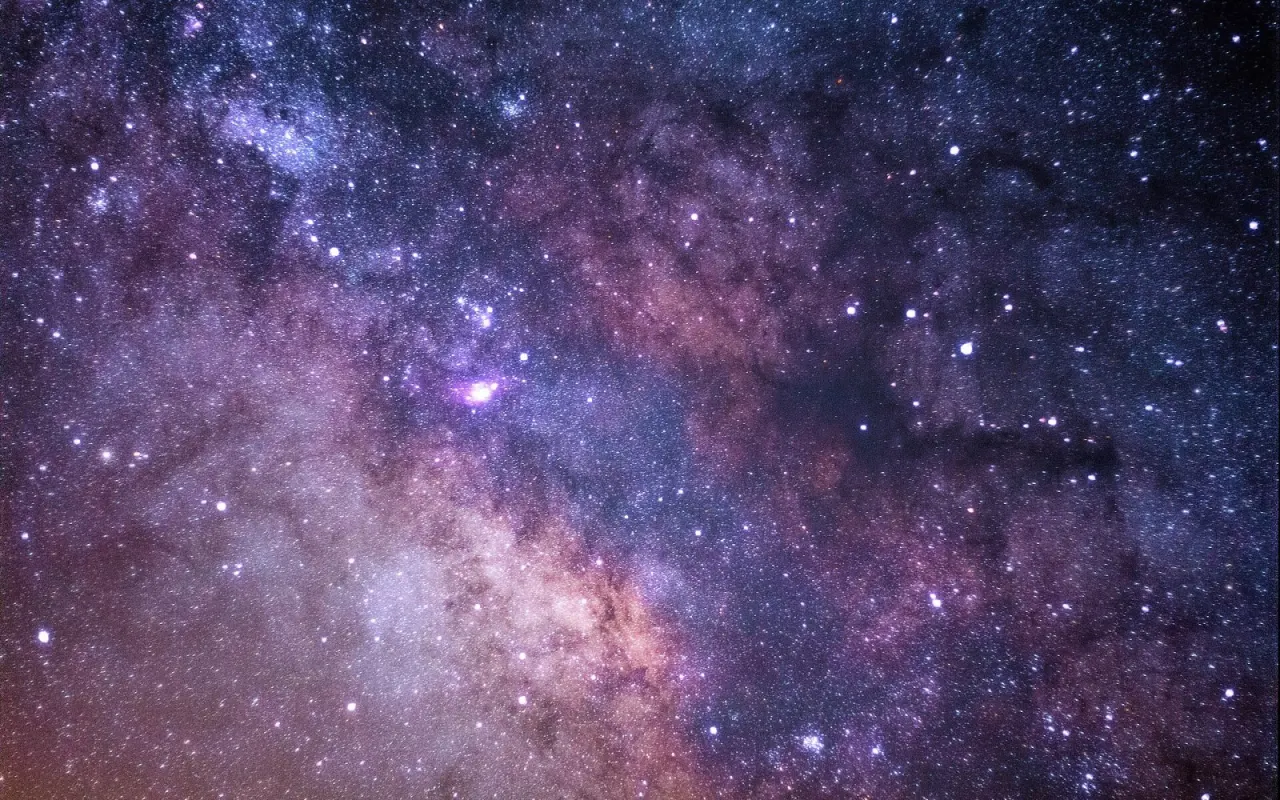
Table of contents
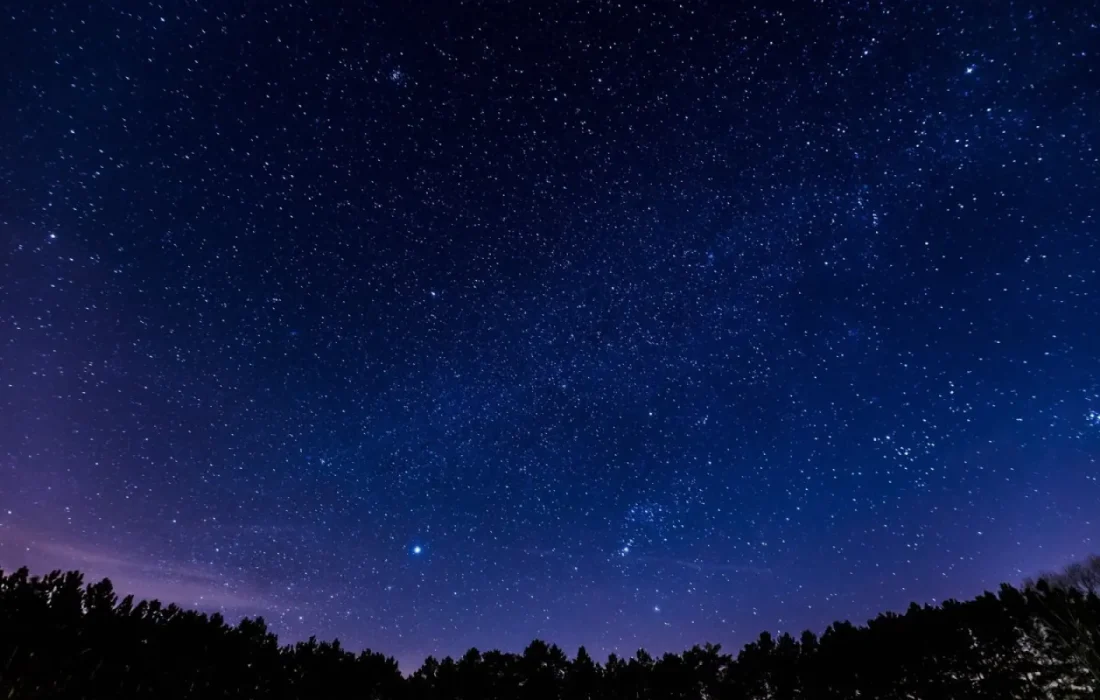
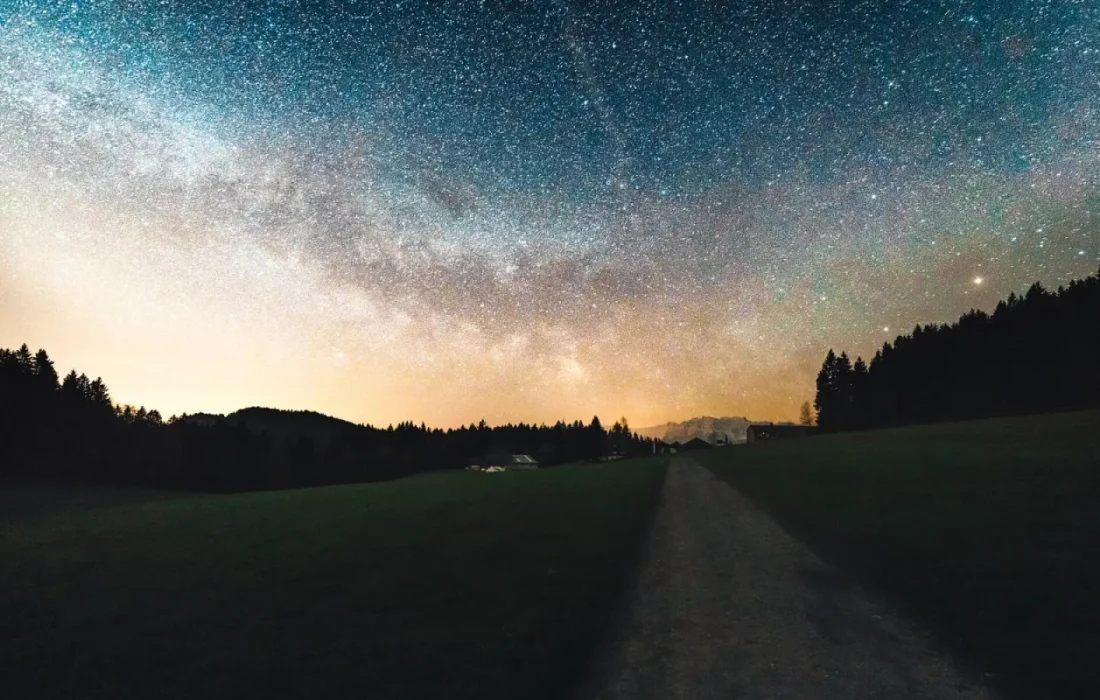
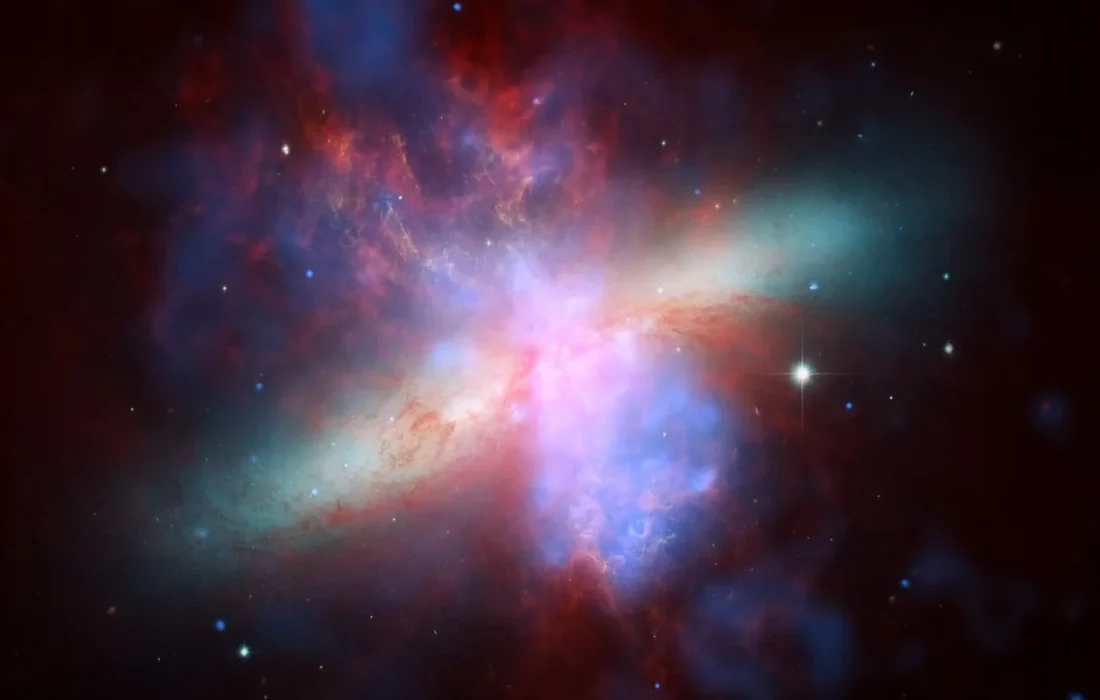
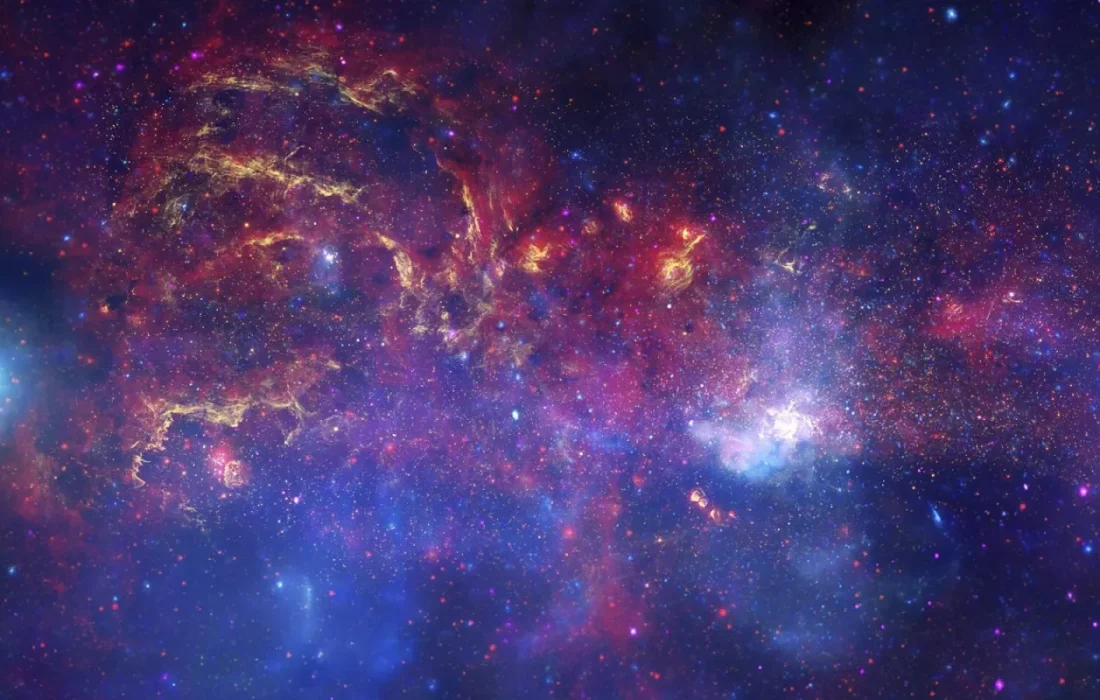
The long, cool nights of autumn are among the most productive times of the year for deep-sky observers. Rising overhead in the evening, the Andromeda Galaxy, about 2.5 million light-years away, is one of the most distant objects visible to the naked eye. On the eastern horizon, the Pleiades star cluster awaits binocular owners with its blue-white stars. As the night goes on, the constellation Orion and the Orion Nebula glowing in its sword take the stage. In this selection, we have gathered November's most impressive targets and ways to find them, through photos taken both with large telescopes and with amateur observers' equipment. For most targets, a dark sky and a good pair of binoculars will be more than enough to get started.
Andromeda: a look at our neighbor galaxy
The Andromeda Galaxy, or M31 as it is known in astronomers' catalogs, is the large spiral galaxy closest to the Milky Way. About 2.5 million light-years away, this giant star system, estimated to hold around a trillion stars, is even bigger than our own galaxy. On November evenings, it can easily be found with the help of the W-shaped stars of Cassiopeia and the Great Square of Pegasus. Under a dark sky, it appears to the naked eye as a faint, elongated smudge, and it stands out at once in binoculars.
Through binoculars, Andromeda's bright core and its long, stretching disk become more distinct; in good conditions, two small satellite galaxies can also be picked out. The dust lanes and spiral arms we see in photographs emerge only in long exposures. Andromeda and the Milky Way are approaching each other at about 110 kilometers per second. A close encounter or merger between the two galaxies is thought possible billions of years from now, though recent calculations suggest the scenario is not certain.
The light from Andromeda set out while our ancestors were making their first stone tools.
Emily Carter
The Pleiades and the Double Cluster in Perseus
The Pleiades, also known as the Seven Sisters, is an open cluster of relatively young stars about 440 light-years away. Usually six or seven of its stars can be picked out with the naked eye, but the cluster actually contains more than a thousand. Estimated to be about 100 million years old, these stars are considered quite young on astronomical scales. The blue nebulosity seen around the cluster in long-exposure photos comes from a dust cloud reflecting the stars' light.
The Double Cluster, lying between the constellations Cassiopeia and Perseus, is one of binocular observers' favorite targets. These two side-by-side open clusters are about 7,500 light-years away and contain dozens of bright, hot stars. With a low-power telescope, both can be seen in the same field of view. Some of the stars in the clusters stand out with their orange and reddish colors; these are giant stars that have reached the later stages of their evolution and have swollen and cooled.
After midnight: the Orion Nebula
Rising above the eastern horizon toward midnight, the constellation Orion heralds the winter sky. Just below the three stars that form Orion's Belt, in the area known as the sword, lies the Orion Nebula. About 1,350 light-years away, this giant cloud of gas and dust is one of the closest large star-forming regions to Earth. Looking like a fuzzy star to the naked eye, the nebula offers an impressive view even in a small telescope, with a shape resembling a bird with outstretched wings.
| Topic | Astronomy |
|---|---|
| Highlights | telescope, sky events, science communication |
| Reading time | 5 minutes |
| Written by | Emily Carter |
Key takeaways
- The Andromeda Galaxy is one of the most distant objects visible to the naked eye on dark nights.
- The Pleiades and the Double Cluster are open star clusters that look impressive even in binoculars.
- The Orion Nebula is one of the closest large star-forming regions to Earth.
At the heart of the nebula is a small group of four bright stars very close to one another, called the Trapezium. The intense ultraviolet light from these young, hot stars illuminates the surrounding gas, giving the nebula its familiar glow. Observations with large telescopes have also revealed dusty disks around newly forming stars within the nebula that could go on to form planets. For amateur observers, the region remains one of the most rewarding targets for getting started in astrophotography.
What do you think about this post?

Leave a comment