




























































mRNA technology beyond vaccines: where do personalized cancer treatments stand?
mRNA therapies designed around a tumor's unique mutations are being tested in late-stage clinical trials. Despite promising results, experts urge caution.
Table of contents
mRNA technology entered the public conversation through vaccines, but from the start one of researchers' long-term goals was cancer treatment. In the personalized approach, the patient's tumor tissue and healthy tissue are first sequenced to identify mutations unique to the tumor. An mRNA sequence is then designed to introduce the new antigens derived from these mutations to the immune system, with the aim of getting the body to target tumor cells. Promising results are coming from clinical trials in areas such as melanoma and pancreatic cancer. But these treatments are not yet in routine use; patients should always discuss their treatment options with their own physicians. In this article, we look at how the method works, the results so far and the questions still awaiting answers.
Designed around the tumor's fingerprint
As cancer cells grow and multiply, they accumulate many mutations in their DNA. Some of these mutations lead to new protein fragments, or neoantigens, appearing on the cell's surface that the immune system has never seen before. If the immune system can recognize these fragments, it can perceive tumor cells as foreign and attack them. But tumors often find ways to hide from the immune system. Personalized mRNA therapies aim to show these neoantigens to the immune system like a most-wanted list.
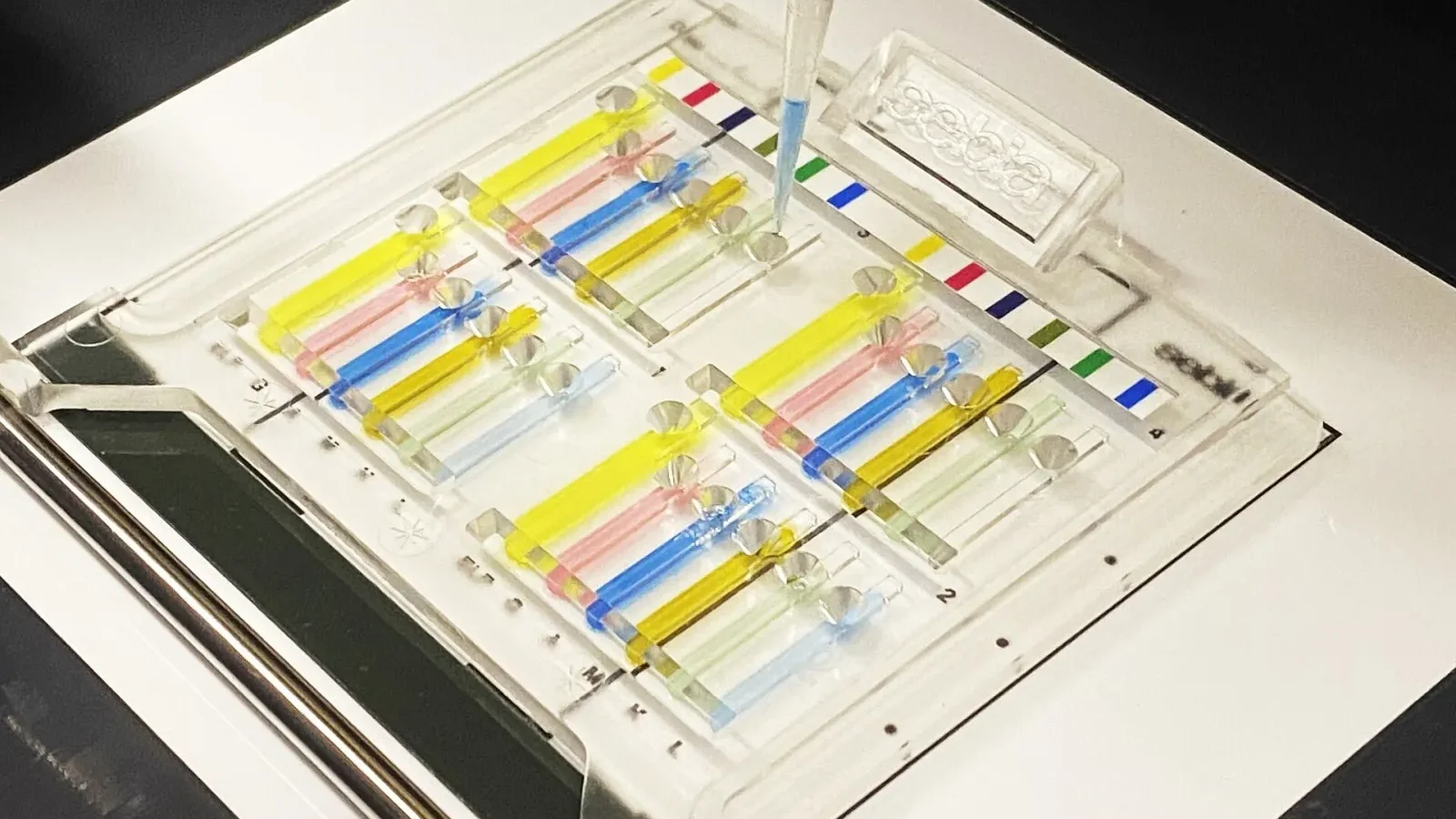
The process begins with sequencing DNA obtained from the patient's tumor tissue and a blood sample. Computer algorithms compare the two sequences to identify tumor-specific mutations and predict which of them could stimulate the immune system most strongly. An mRNA sequence encoding the selected targets is produced in the lab and given to the patient inside lipid nanoparticles. The whole process has to be completed within a few weeks for each patient; manufacturing speed and cost are among the field's major challenges.
Personalized treatment is promising, but like every hope, it has yet to be tested against the evidence.
Sophie Laurent
First results from clinical trials
One of the areas where this approach has been tested most is melanoma, one of the most dangerous types of skin cancer. In early-phase trials in patients whose tumors had been surgically removed and who were at high risk of recurrence, promising results suggested that using a personalized mRNA therapy together with an immunotherapy could reduce the risk of the cancer returning. These findings led to the launch of late-stage trials involving far more patients, whose results are eagerly awaited.
In small trials in very hard-to-treat cancers such as pancreatic cancer, long-lasting immune responses against the tumor were also observed in some patients. But these trials involved few patients, and the results need to be confirmed in larger groups. Experts point out that positive signals seen in early-phase trials are not always repeated in later phases. That is why, excited as they are, scientists in the field take care to share results in careful, measured language.
Realistic expectations and open questions
Personalized mRNA therapies are not yet an approved treatment option used routinely in hospitals. At present, only patients who meet certain criteria can access these treatments, as part of clinical trials. It should also be remembered that every type of cancer and every patient's tumor is different, and that some tumors carry few mutations that could serve as targets for the immune system. Predicting in advance which patients the treatment will work for is one of the most important open questions researchers are working on.
| Topic | Medical Research |
|---|---|
| Highlights | health research, genetics, artificial intelligence |
| Reading time | 7 minutes |
| Written by | Sophie Laurent |
Key takeaways
- Personalized mRNA therapies are designed around tumor-specific mutations.
- Melanoma and pancreatic cancer trials show promising but not yet conclusive results.
- These therapies are not in routine use; treatment decisions should be made with oncology specialists.
It is entirely understandable for patients diagnosed with cancer and their loved ones to find hope in news like this. But treatment decisions should always be made together with oncology specialists who know the patient's condition. Patients who would like to take part in clinical trials can also discuss this possibility with their doctors. Care is needed with treatments offered online with the promise of a personalized cancer vaccine that have not undergone scientific scrutiny. Science is advancing, but safe and effective treatments only emerge from rigorous, patient work.
What do you think about this post?

Leave a comment