





































Quote of the week: ‘The sky is humanity’s shared laboratory that never closes’
A saying often repeated at observing nights by Prof. Harold Eaton, founding director of the Ridgeview Astronomy Center, is a reminder of astronomy's open-to-all nature.
A saying often repeated at observing nights by Prof. Harold Eaton, founding director of the Ridgeview Astronomy Center, is a reminder of astronomy's open-to-all nature.
Table of contents
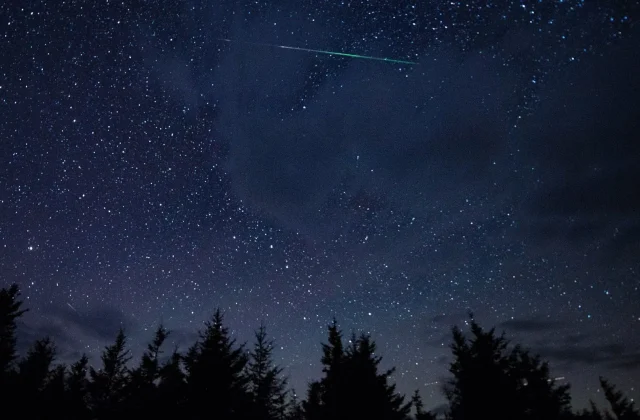
Prof. Harold Eaton, founding director of the Ridgeview Astronomy Center, is said to have always used the same sentence at public observing nights before inviting visitors to the telescope: the sky is humanity's shared laboratory that never closes. The saying reminds us that astronomy is not only one of the oldest sciences but also one of the most accessible. Not everyone can walk into a particle accelerator, but anyone who looks up on a clear night can see stars, planets and even neighboring galaxies. Amateur observers' variable star measurements, comet discoveries and volunteer data classification projects show that this shared laboratory still contributes to science today.
The story behind the quote
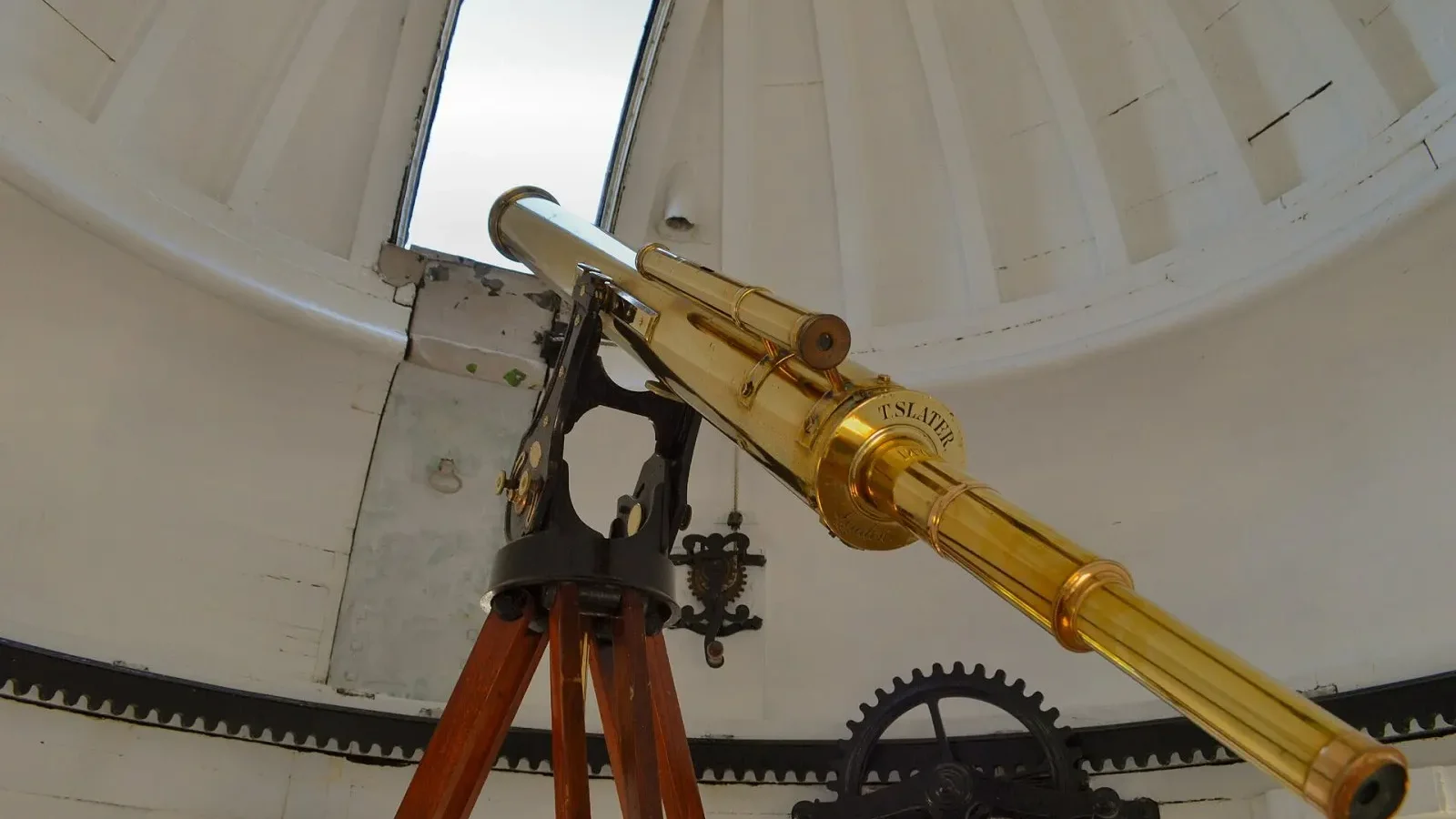
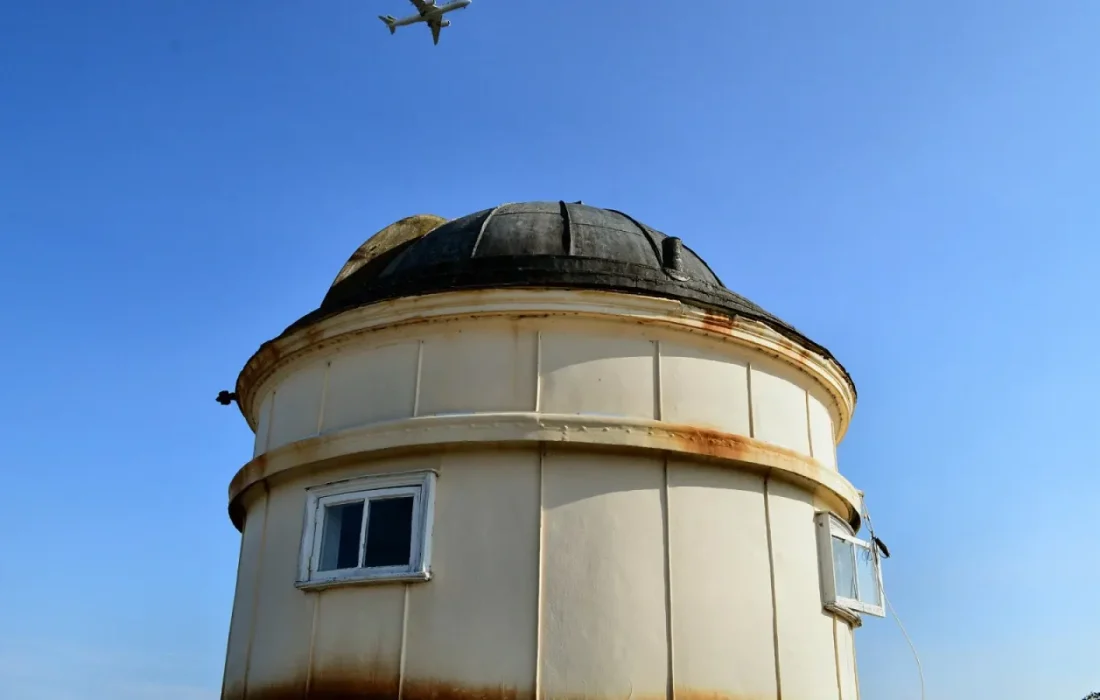
More than thirty years ago, Prof. Harold Eaton founded the Ridgeview Astronomy Center, starting from a small stargazing club set up in a high school yard. In its early years, the center had a single telescope and a small team of volunteer teachers. Eaton believed science begins not only in laboratories but wherever there is curiosity. The public observing nights were a product of that belief, bringing hundreds of people together at the telescope every month.
According to those who attended the observing nights, Eaton would give a short talk before inviting visitors to the telescope and always ended it with the same sentence. By saying that the sky is everyone's shared laboratory, he wanted to remind people that no one is a stranger to science. Over time, the saying became the center's unofficial motto, and today it appears on the sign above the entrance. Eaton's former students continue to pass this fine tradition on to new generations of observers.
The sky is humanity's shared laboratory that never closes.
Emily Carter
How amateur observers contribute to science
Astronomy is one of the rare fields where amateurs can still make real scientific contributions. Amateur observers around the world regularly measure stars whose brightness changes over time, and these measurements are collected in international databases. Since professional telescopes cannot monitor every star continuously, these long-running records are a valuable resource for astronomers. Some new comets and stars that suddenly flare up are also discovered by amateurs.
In the internet age, you don't even need to own a telescope to contribute. In citizen science projects, participants classify galaxies, search for signs of exoplanets or label features on planetary surfaces in images produced by large telescopes and spacecraft. These projects harness the power of the human eye for certain pattern-recognition tasks that computers still struggle with. In some projects, volunteers have even been listed as authors on scientific papers. The door to the shared laboratory really is open to everyone.
Light pollution: the threat closing the lab's doors
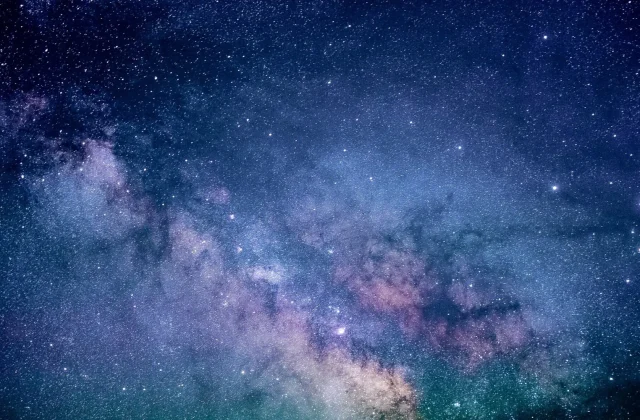
Yet the door to this shared laboratory is slowly closing under ever-increasing artificial light. Research shows that about a third of the world's population, and the vast majority of people in Europe, can no longer see the Milky Way from where they live. Excessive and poorly directed lighting in cities covers the sky in an orange haze, leaving only the brightest stars visible. Light pollution affects not only astronomers but also night-migrating birds, insects and human health.
| Topic | Astronomy |
|---|---|
| Highlights | telescope, science communication, sky events |
| Reading time | 3 minutes |
| Written by | Emily Carter |
Key takeaways
- The saying grew out of the Ridgeview Astronomy Center's tradition of public observing.
- Amateur observers and volunteers still make real contributions to astronomy today.
- Light pollution is taking away the sky's role as a laboratory shared by all.
Reducing light pollution is relatively easy compared with many other environmental problems. Using downward-facing, warm-colored lighting that is no brighter than necessary and switching off unnecessary lights late at night can make a big difference. Dark sky parks are being established in various parts of the world, and some city councils are updating their lighting regulations accordingly. Remembering Eaton's words may well be the first and most meaningful step toward protecting this shared heritage.
What do you think about this post?
Leave a comment