




























































26 years in orbit: what happens to microgravity science as the space station nears retirement?
Continuous human presence on the space station has entered its 26th year. Ahead of a retirement planned for around 2030, scientists are debating the future of laboratories in orbit.
Table of contents
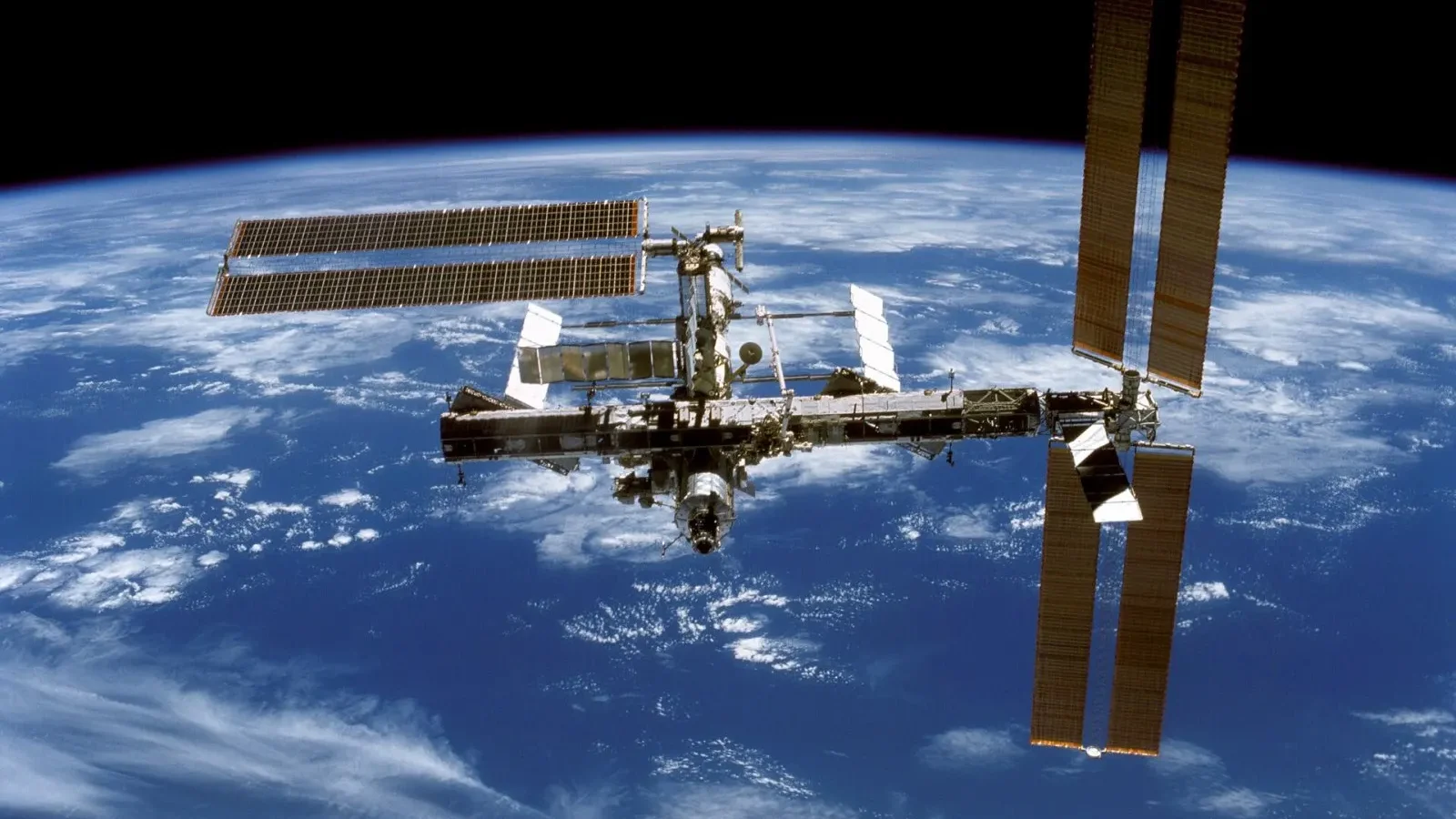
Twenty-six years have passed since the first long-term crew arrived at the International Space Station: humans have been in orbit continuously since November 2000. Circling at an altitude of about 400 kilometers at more than 28,000 kilometers per hour, the station goes around the Earth sixteen times a day. But because of aging modules and a growing maintenance burden, the station is scheduled to be deorbited in a controlled manner around 2030. That timeline raises a critical question for dozens of research fields that depend on microgravity: where will experiments ranging from protein crystals to muscle-loss studies be carried out from now on? In our video report, we look at the station's quarter-century scientific legacy and the new era that awaits us after it.
A laboratory a quarter-century old
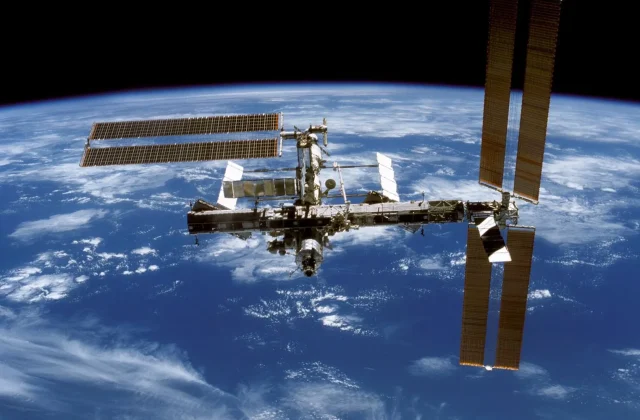
The station's first module was launched into orbit in 1998, and the first long-term crew arrived on 2 November 2000. Since then, not a single day has passed without people on board. Built piece by piece through a partnership of five space agencies, the structure, wider than a football field, remains the largest object humanity has ever placed in orbit. Over the years, astronauts from more than twenty countries have served on the station, and thousands of experiments spanning physics to biology have been carried out.
A spacecraft operated continuously for so long has also provided a unique engineering experience. Life support systems reached the point of recovering most of the water the crew consumes from sources such as urine and cabin humidity. The modules, meanwhile, have had to withstand micrometeoroids, harsh temperature swings and years of load cycles. Small air leaks seen in some sections in recent years are regarded as a clear sign that the structure is aging and of why retirement planning is necessary.
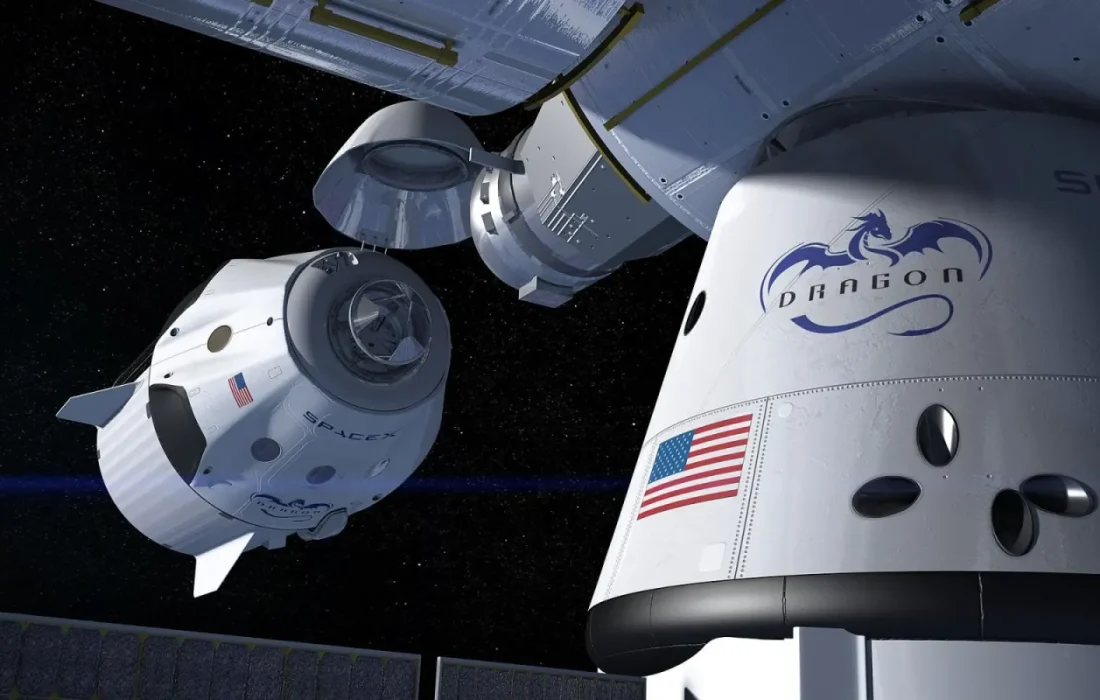
The only laboratory where we can almost switch off gravity is one circling in orbit.
Mark Ellison
What microgravity has given science
Objects on the orbiting station are not actually free of gravity; the Earth's pull is still strong there, but because the station is in constant free fall, everything inside feels weightless. This environment makes it possible to study many processes that gravity masks on Earth. Some protein crystals, for instance, can grow larger and more ordered in orbit, which can help scientists solve proteins' three-dimensional structures and design drugs. Flames, liquids and foams also behave in completely different ways in microgravity.
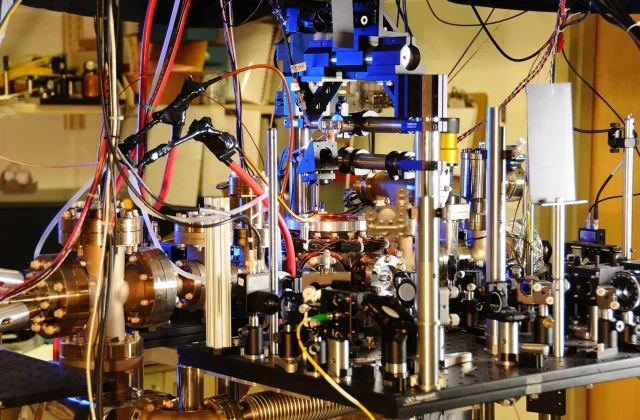
Research on the human body is also among the station's most valuable legacies. It has been documented in detail that on months-long missions astronauts lose muscle and bone mass, body fluids shift toward the upper body and some astronauts develop vision changes. These findings help both in developing countermeasures for long journeys to the Moon and Mars and in understanding conditions such as osteoporosis on Earth. Cold-atom experiments studying clouds of atoms at temperatures close to absolute zero have also been carried out on the station.
After the station: new orbital laboratories
At the end of its service life, the station is to be lowered in a controlled manner with the help of a specially designed deorbit vehicle and largely burn up on reentry. Any pieces that survive are meant to fall into a remote area of the South Pacific, far from inhabited places. Leaving such a large structure to lose orbit on its own is not considered an acceptable option because of the risk of debris falling uncontrolled. That is why the retirement process is being planned meticulously years in advance and tested step by step.
| Topic | Space Exploration |
|---|---|
| Highlights | space exploration, space station, satellites |
| Reading time | 6 minutes |
| Written by | Mark Ellison |
Key takeaways
- People have been on the station continuously since November 2000.
- Microgravity experiments cover a wide range of fields, from protein crystals to human physiology.
- The station is scheduled for a controlled retirement around 2030.
The scientific community's biggest worry is a gap in microgravity research once the station retires. Various countries and companies are working on new, smaller orbital stations to be operated commercially, while some countries continue to run their own national stations. Researchers want the experimental infrastructure, data-sharing rules and access costs on the new platforms to be set with the needs of science in mind. Otherwise, they warn, part of a quarter-century of accumulated knowledge could be left unfinished.
What do you think about this post?

2 Comments
Really useful piece, thank you for putting it together.
I had never thought about this side of it. Looking forward to a follow-up.