













































Glacier measurement season closes: from the Alps to the Pyrenees, mountain glaciers keep thinning
End-of-summer measurements show that mountain glaciers in Europe and the Caucasus lost mass again this year. Southern Europe's small glaciers are among the most fragile of all.
Table of contents
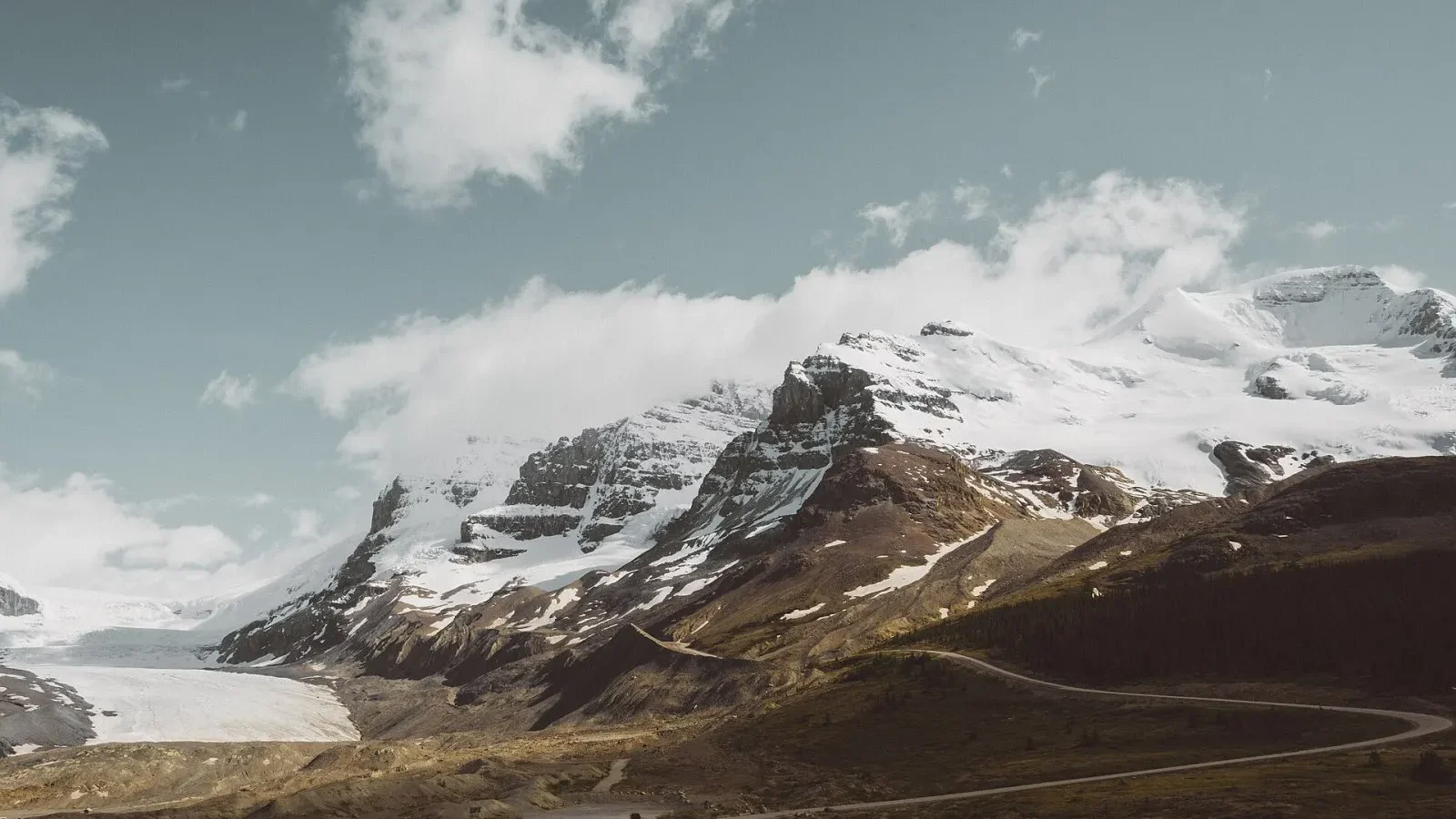
Every year, the measurement season on mountain glaciers closes at the end of September, before the first snowfalls bury the ablation stakes. Initial assessments from the teams supplying data to the Eurasian Mountain Glacier Monitoring Network show the picture has not changed this year: the vast majority of monitored glaciers lost mass. In the Alps, a hot summer and the small amount of snow accumulated over the winter pushed losses above the long-term average. Small glaciers in the Pyrenees, the Apennines and the Balkan mountains, meanwhile, are among the most fragile group because of their size. Experts point out that it is the trend over decades, not a single year, that counts. Small mountain glaciers are among the indicators that respond fastest to changes in climate.
What do the ablation stakes say?
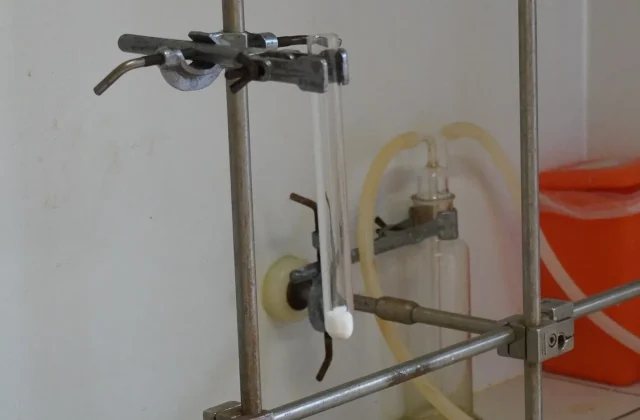
The most traditional way to measure a glacier's mass balance is with ablation stakes placed in holes drilled into the ice. At the end of summer, researchers measure how far the stakes protrude from the ice to calculate the thickness of ice melted that year; higher up the glacier, they dig snow pits to determine the density of the accumulated snow. The difference between the two values shows whether the glacier gained or lost mass that year. Simple as the method looks, building reliable long-term records takes decades of patient fieldwork.
According to the preliminary assessment of the Eurasian Mountain Glacier Monitoring Network, the average loss on glaciers monitored in the Alps exceeded one meter of water equivalent this year. That means the glaciers lost more than a meter of water on average across their entire surface. Losses were somewhat lower at measurement sites in the Caucasus, but the trend points the same way. Surface comparisons using satellite images also support the field measurements. Final figures are expected to be published in the coming months, once the data have been checked in detail.
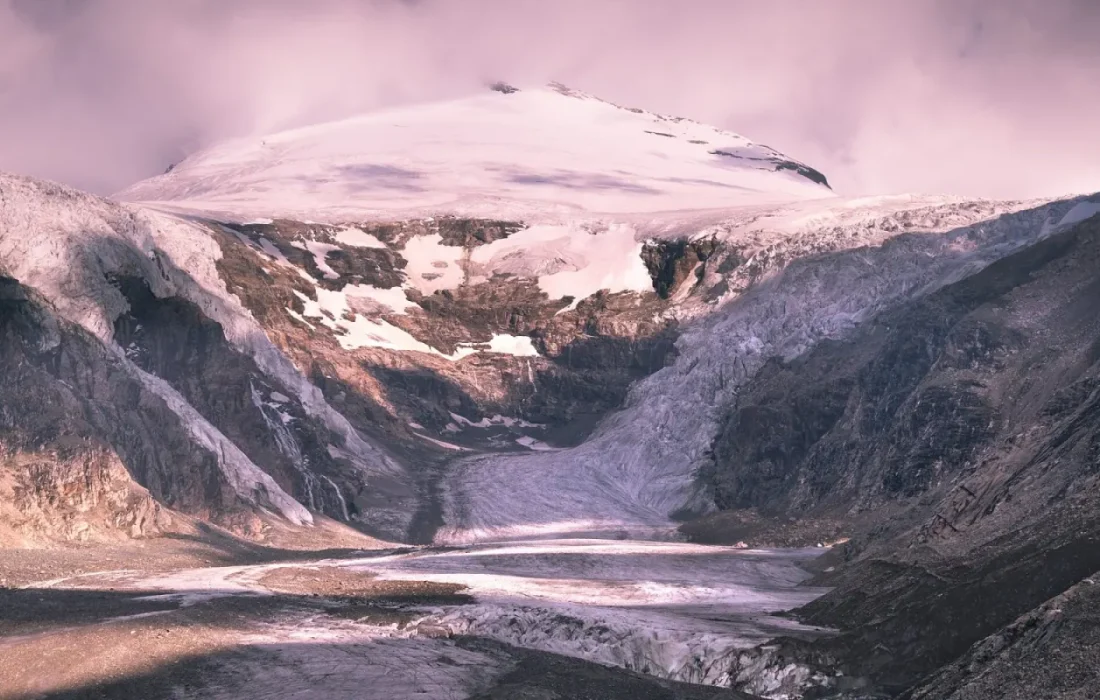
Glaciers are a silent diary the climate has kept for years.
Jake Morales
Southern Europe's small, fragile glaciers
The glaciers of southern Europe are mostly small ones clinging to shaded, north-facing cirques in the mountains. The Pyrenees, the Apennines, the Julian Alps and the high ranges of the Balkans are among the main areas where they are found. Research shows that these glaciers have lost a significant share of their area since the mid-twentieth century. Some small glaciers are known to have turned into dead ice masses that no longer move, or to have disappeared entirely. Experts rely on regular satellite data to follow this process closely.
Small glaciers respond to changes in climate much faster than large ice masses. A long heat wave over a single summer can melt a considerable part of a thin glacier's remaining thickness. In addition, dust and rock debris on a glacier's surface can speed up melting by absorbing more sunlight when it forms a thin layer, but can protect the ice when it forms a thick cover. These complex interactions show that every glacier has its own story and needs to be monitored individually.
Downstream effects of melting ice
Mountain glaciers work like natural reservoirs, supplying rivers with a steady flow of water, especially in summer. As glaciers shrink, the amount of meltwater may rise at first; but once the ice mass falls below a certain threshold, summer flows begin to decline. Scientists call this tipping point "peak water." In some Alpine basins, this point is thought to have already been passed. This directly affects long-term planning for agriculture, drinking water and hydropower generation, and calls for new strategies.
| Topic | Climate |
|---|---|
| Highlights | climate change, glaciers, ecology |
| Reading time | 6 minutes |
| Written by | Jake Morales |
Key takeaways
- Most of the mountain glaciers monitored across Eurasia lost mass again this year.
- Southern Europe's small glaciers are among those responding fastest to changes in climate.
- Glacier loss directly affects water resources and natural hazards in mountain regions.
Another consequence of melting glaciers is a rise in natural hazards in mountain areas. Lakes that form where glaciers retreat can cause sudden floods when the moraine heaps acting as dams collapse. Rockfalls and landslides are also becoming more frequent on slopes that have lost the support of the ice. That is why glacier monitoring matters greatly not only for climate science but also for the safety of mountain villages, high mountain roads and nature tourism. Experts are calling for measurement networks to be expanded.
What do you think about this post?
2 Comments
Really useful piece, thank you for putting it together.
I had never thought about this side of it. Looking forward to a follow-up.