


























































Land of fire and ice: images from Iceland, where the plates pull apart
One of the rare places where the Mid-Atlantic Ridge crosses dry land, Iceland, with its volcanoes, lava fields and geysers, is an open-air laboratory for earth scientists.
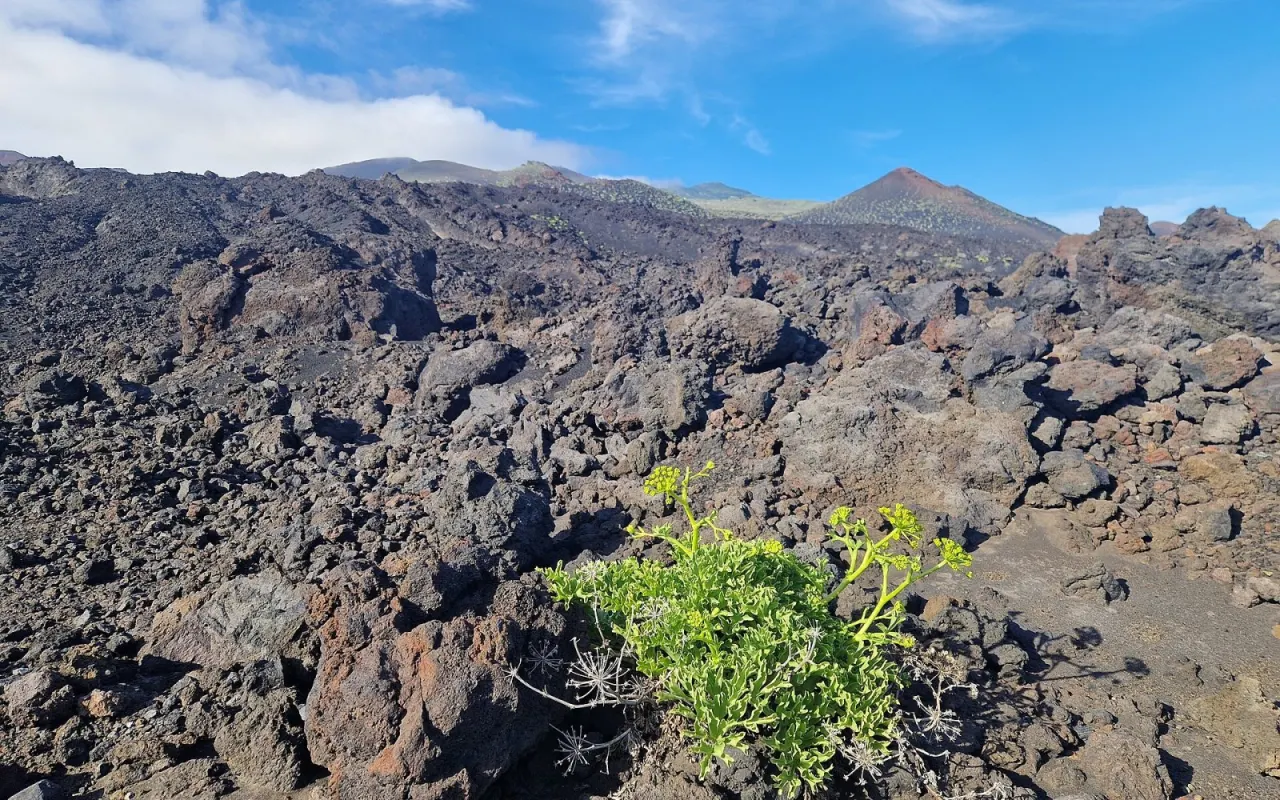
Table of contents
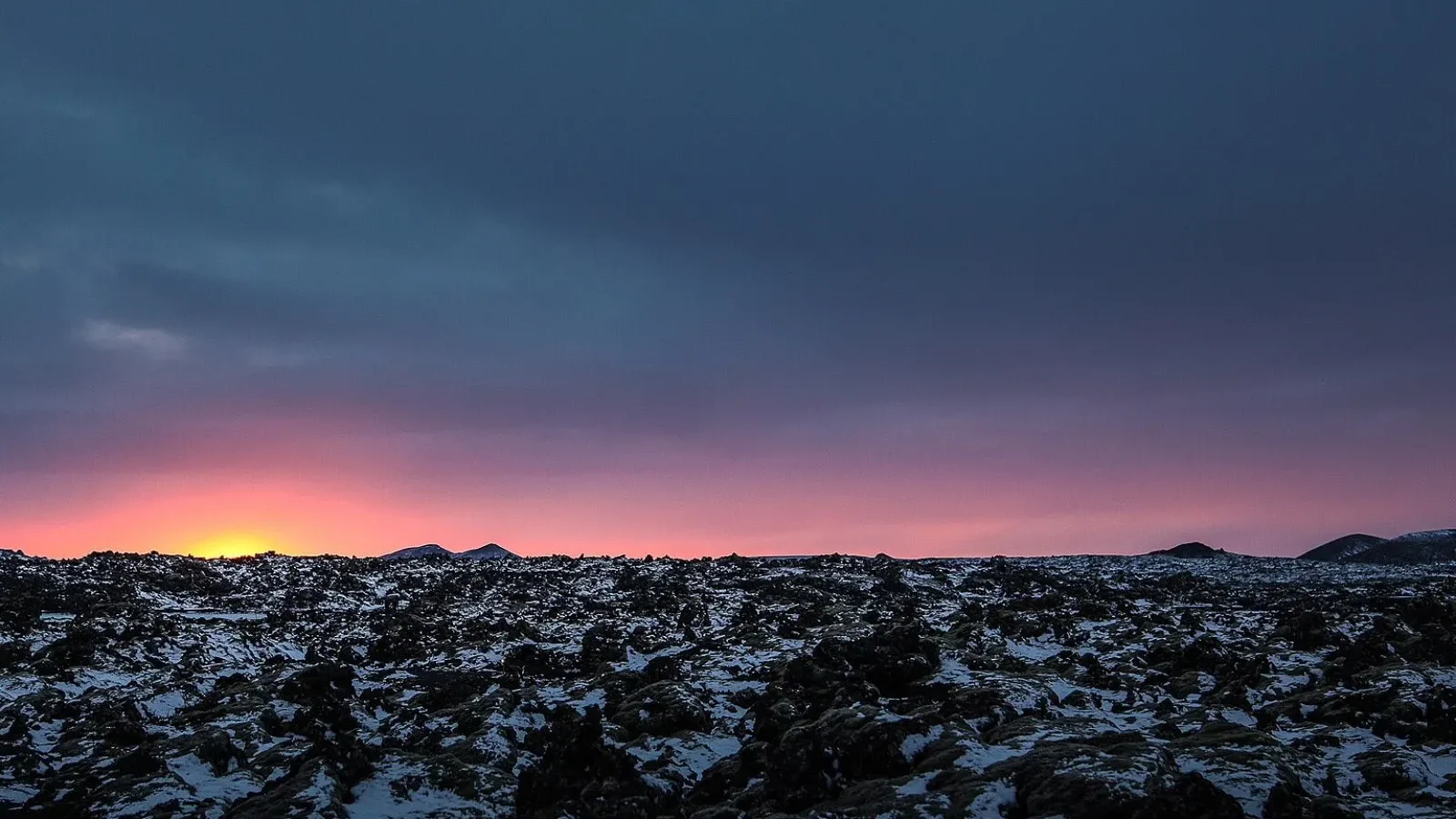
Iceland is one of the rare places where the Mid-Atlantic Ridge, along which the North American and Eurasian plates move apart by about two centimeters a year, rises above sea level. That position turns the island into an earth science laboratory where volcanoes, lava fields, hot springs and geysers are intertwined. A string of eruptions on the Reykjanes Peninsula in recent years has offered a chance to follow, almost in real time, how magma moves through the crust. In this photo selection, we tell the island's geological story through images ranging from lava flows to volcanoes beneath glaciers, from geysers erupting at regular intervals to newly formed land. Even on a short tour of the island, you can see the inner workings of the planet with your own eyes.
The Mid-Atlantic Ridge: a mid-ocean ridge on land
The Mid-Atlantic Ridge is a giant mountain range system stretching from the Arctic Ocean to the South Atlantic, almost entirely underwater. Here, as the plates move apart, magma rising from deep within the Earth fills the gap between them, and new ocean crust is constantly forming. In Iceland, the ridge rises above sea level under the influence of an extraordinarily powerful source of magma beneath it, known as a hotspot. The combination of these two factors makes the island one of the most volcanically active regions in the world.
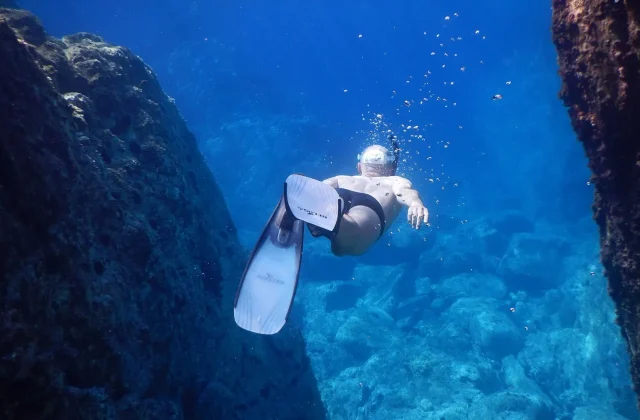
On the island, you can see the plates separating with your own eyes. In Thingvellir National Park, the fissures and steps cutting across the crust are surface traces of the tension between the two plates. Visitors can walk between these fissures and even dive in some cracks filled with crystal-clear groundwater. Because the plates move apart by only about two centimeters a year, the separation goes unnoticed on the scale of a human lifetime; on geological timescales, however, it gives birth to an entire ocean.
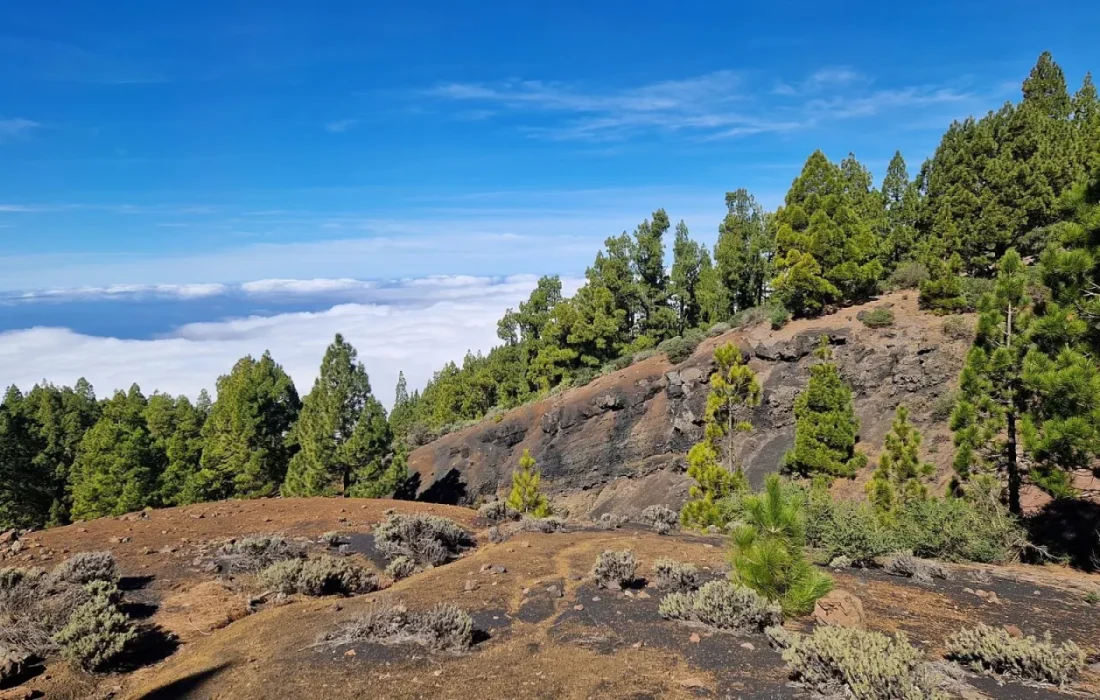
Iceland is one of the few places where we can watch the Earth renewing itself live.
Jake Morales
New lava fields on Reykjanes
The Reykjanes Peninsula, southwest of the capital, reawakened in 2021 after some eight hundred years of quiet. Since then, a series of fissure eruptions has followed on the peninsula. In these eruptions, lava gushes like a curtain from fissures kilometers long rather than from a single crater. The flows have affected roads, pipelines and some buildings, and authorities have built large earthen barriers to try to divert the lava and protect settlements.
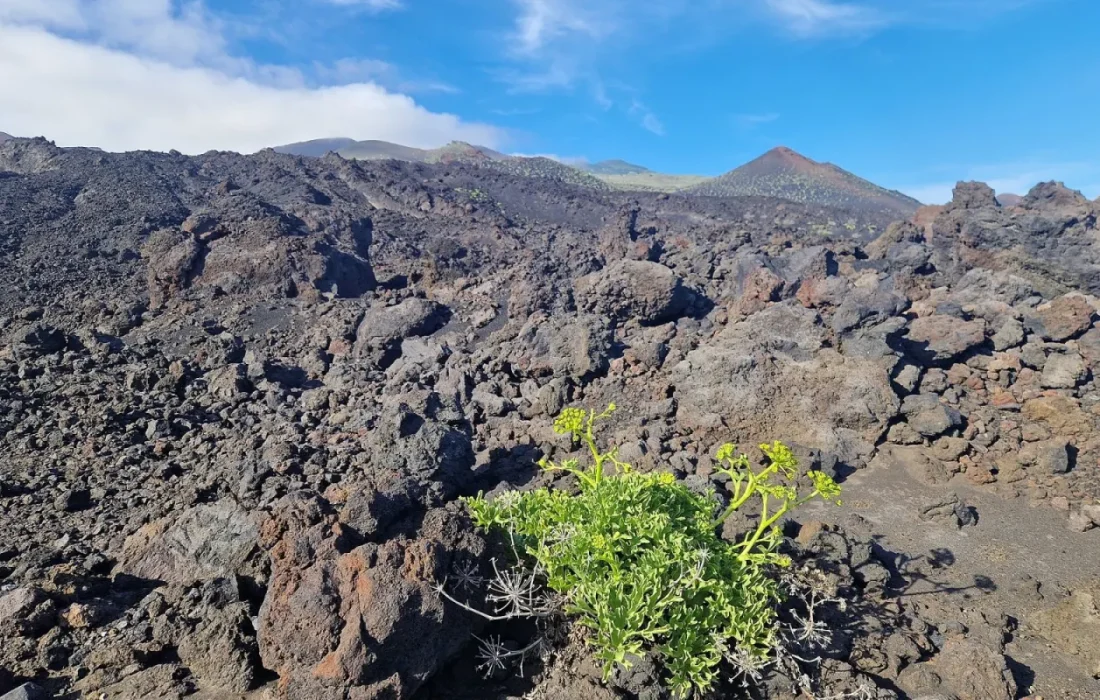
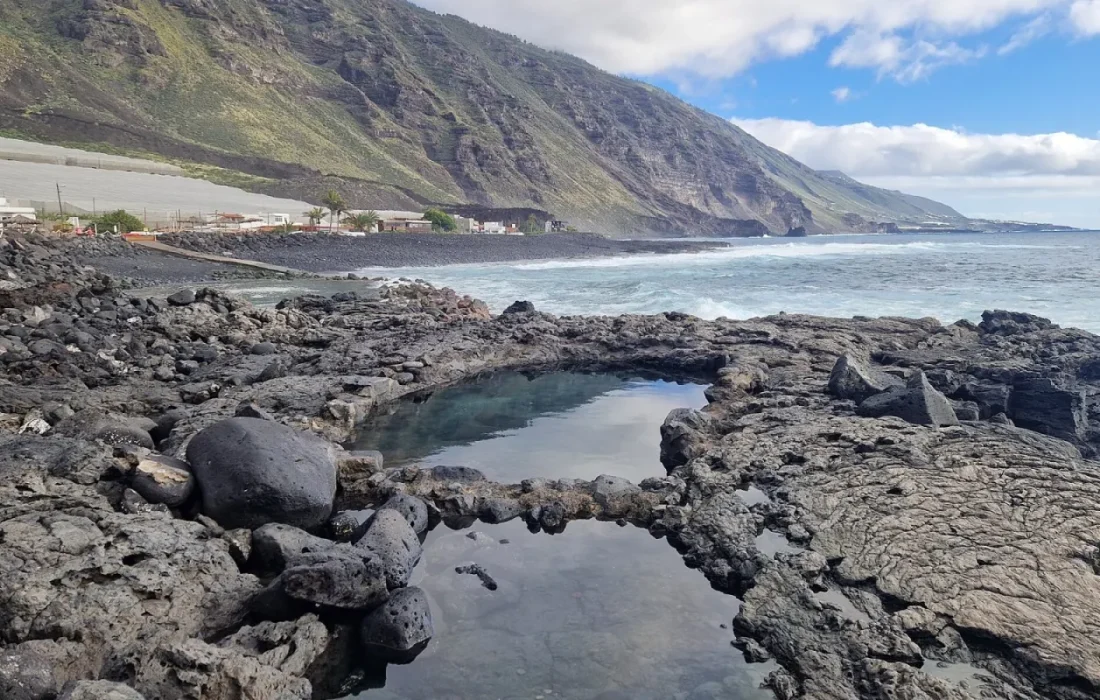
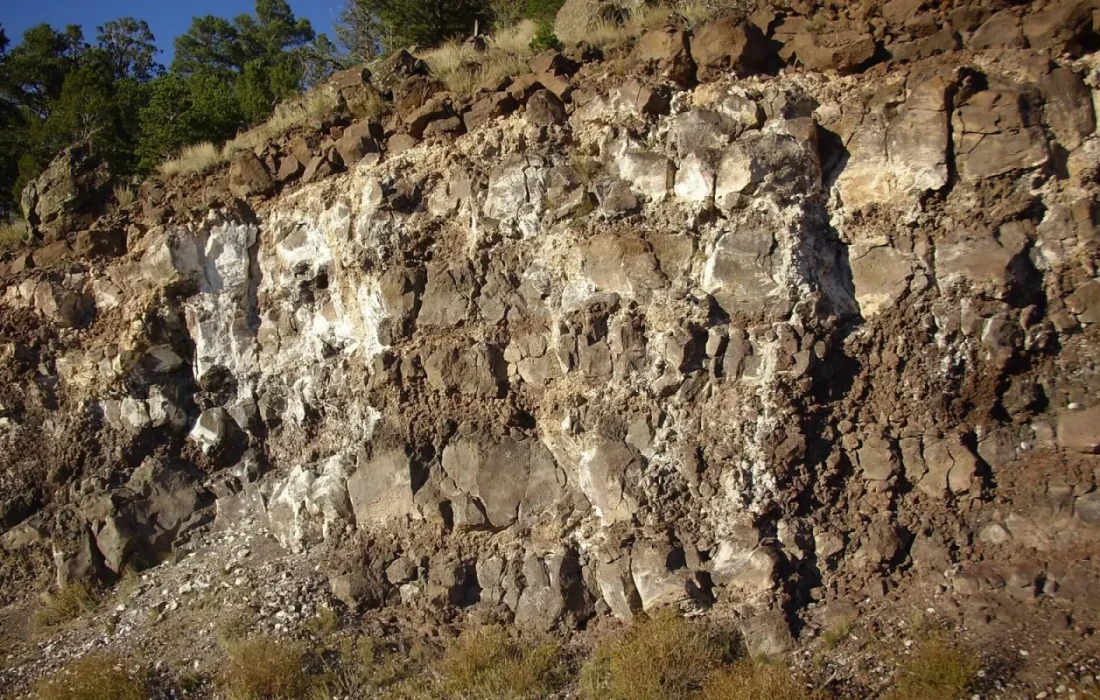
This sequence of eruptions has been a unique natural experiment for earth scientists. Thanks to dense seismometer networks, satellite radar measurements and positioning stations, it has been possible to follow in detail how magma accumulates deep in the crust, how it moves toward the surface and how it swells the ground before an eruption. These data could improve eruption forecasting in other volcanic regions in the future. But experts point out that every volcano behaves in its own way and that generalizations must be made with care.
Geysers and subglacial volcanoes
Iceland's hot springs and geysers are the most striking surface signs of the heat underground. The word geyser itself spread around the world from a spring here called Geysir. Today, Strokkur, one of the most regular geysers, shoots water 15–20 meters into the air every few minutes. This happens when water heated above its boiling point in narrow underground channels suddenly flashes into steam. The same heat source also meets much of the country's electricity and heating needs.
| Topic | Earth Sciences |
|---|---|
| Highlights | volcano, earthquake, glaciers |
| Reading time | 5 minutes |
| Written by | Jake Morales |
Key takeaways
- Iceland is one of the rare places where the Mid-Atlantic Ridge rises above sea level.
- The eruptions on the Reykjanes Peninsula offered a chance to track the movement of magma in detail.
- Subglacial volcanoes can affect wide areas with sudden floods and ash clouds.
Some of the island's large volcanoes, meanwhile, lie hidden beneath thick glaciers. When these volcanoes erupt, melting ice can cause sudden, powerful floods. In subglacial eruptions, the interaction between magma and water can shatter lava into fine ash, leading to explosive eruptions. In 2010, an ash cloud rising from a subglacial volcano disrupted air traffic across Europe for days, clearly showing how these processes can affect not just Iceland but an entire continent.
What do you think about this post?
Leave a comment