





























































Microbiologist Dr. Diana Wells: ‘Antibiotic resistance is a silently advancing pandemic’
We talked with Dr. Diana Wells, who studies resistant bacteria at the Meridian Institute of Life Sciences, about bacteriophages, the search for new antibiotics and the precautions we can all take.
Table of contents
Antibiotics, one of the greatest medical achievements of the twentieth century, have saved millions of lives. But bacteria keep evolving, and unnecessary or careless use is speeding up the spread of drug-resistant strains. A comprehensive international analysis based on 2019 data revealed that deaths directly attributable to resistant infections exceeded one million in that year alone. Dr. Diana Wells, who studies resistant bacteria and the viruses that target them at the Meridian Institute of Life Sciences, says the problem must be monitored not only in hospitals but also in agriculture, livestock farming and wastewater. We talked with Wells about the work in her lab and the treatment options of the future.
How does resistance develop?
Our first question to Wells was how antibiotic resistance arises. "A bacterial community contains billions of cells, and among them there can always be some that, thanks to random mutations, are slightly more resistant to a drug," she says. When an antibiotic is used, susceptible bacteria die while resistant ones survive and multiply. It is an accelerated example of natural selection. What's more, bacteria can pass resistance genes to one another, and even to different species, via small rings of DNA called plasmids.
According to Wells, the problem is not limited to hospitals. Widespread antibiotic use in livestock farming, untreated wastewater and the surroundings of drug manufacturing plants are among the environments where resistant bacteria and resistance genes can spread. Her lab tracks resistance genes in water samples taken from different sources. "We call this the One Health approach. We can't solve this problem by separating human, animal and environmental health," she says. This holistic approach is increasingly being adopted in international health circles as well.
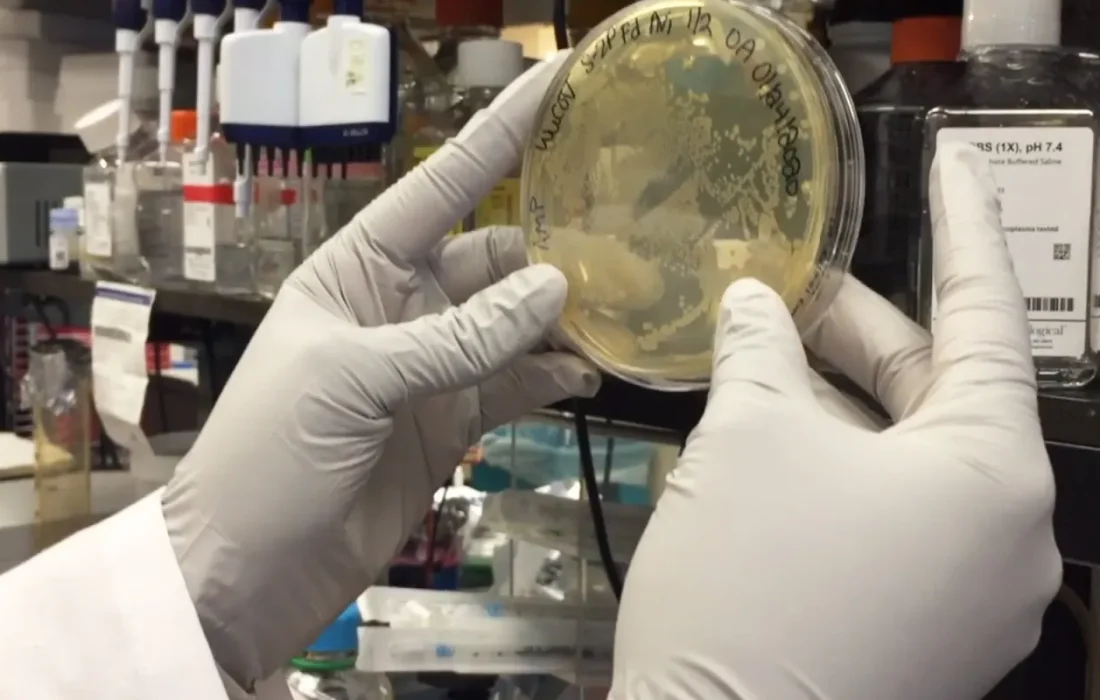
Every unnecessary course of antibiotics gives bacteria a chance to study for the next exam.
Ethan Brooks
Bacteriophages: the return of an old idea
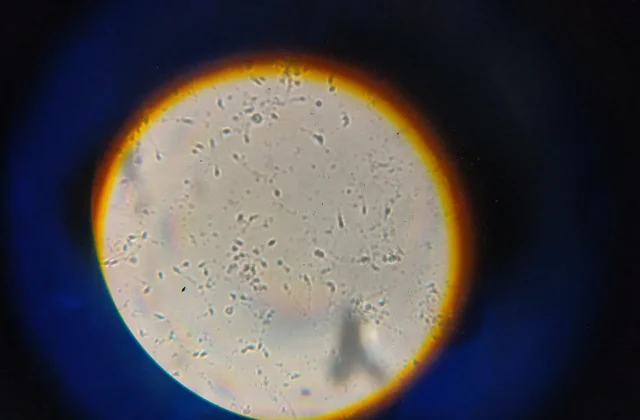
A large part of the work in Wells's lab focuses on viruses called bacteriophages. Phages are viruses that can infect only bacteria and do not harm human cells. Each phage usually targets a specific bacterial species, or even specific strains. The idea of phage therapy was first put forward more than a century ago, but with the discovery of antibiotics it was forgotten in many countries. The rise of resistant infections has brought this old idea back onto the research agenda.
"The biggest advantage of phages is that they are targeted. While antibiotics can also affect beneficial bacteria in the gut, a well-chosen phage targets only the problem bacterium," says Wells. But that precision is also a challenge: for each patient, a phage matching the bacterium causing the infection has to be found. Her team collects phages isolated from wastewater and soil samples in a library and tests them against resistant strains. Wells stresses that phage therapy is still experimental and must be tested in clinical trials.
What each of us can do
At the end of the interview, we asked Wells what individuals can do. Her first point is that antibiotics should be used only on a doctor's advice. "Antibiotics don't work against viral infections such as colds and flu. It's also not right to take leftover medicine at home on your own or to give it to others," she says. She reminds us that following the duration and dose of the treatment recommended by the doctor matters too; any questions about treatment should, again, be put to a doctor or pharmacist.
| Topic | Interviews |
|---|---|
| Highlights | health research, genetics, microscope |
| Reading time | 8 minutes |
| Written by | Ethan Brooks |
Key takeaways
- Antibiotic resistance can spread quickly through natural selection and gene transfer between bacteria.
- Bacteriophages are a promising but still experimental option against resistant infections.
- Antibiotics should be used only on a doctor's advice, for the recommended duration and dose.
According to Wells, hand hygiene, vaccines and food safety also play an important role in reducing infections and therefore the need for antibiotics. Taking unused medicines to pharmacy collection points instead of pouring them down the sink or throwing them in the trash can reduce drug residues entering the environment. "Antibiotics are a heritage we all share. Protecting them is essential so that a simple infection doesn't become deadly again in the future," she says. Wells believes that the discovery of new antibiotics must also be strongly supported.
What do you think about this post?

Leave a comment