
















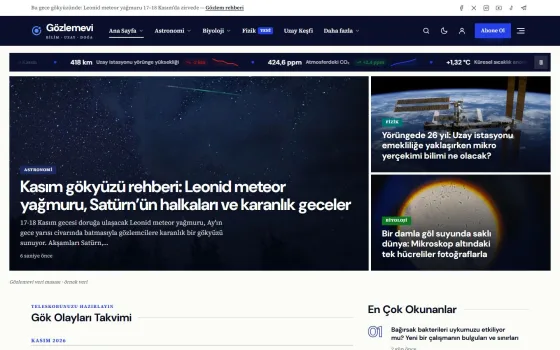








































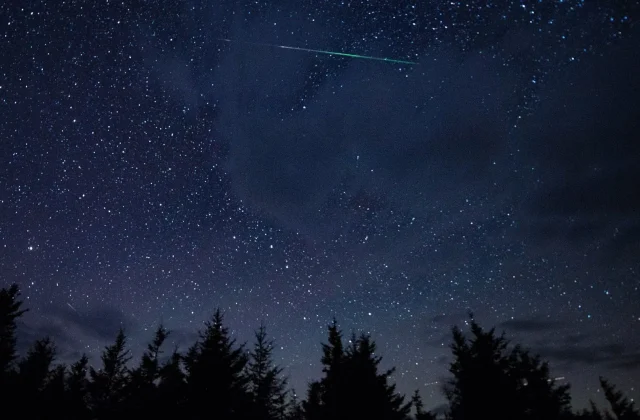
- 15/hrMeteors at the Leonid peakChange: Peak 17–18 November
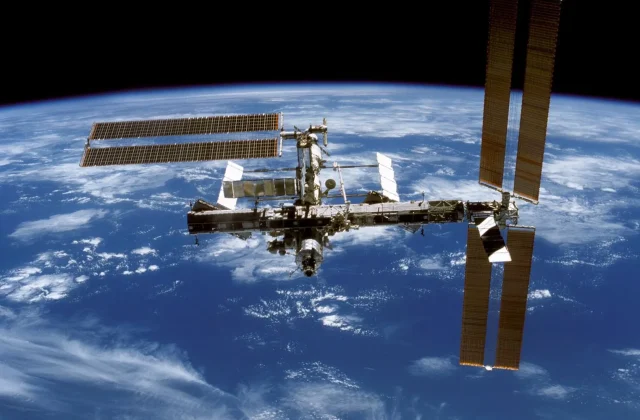
- 418 kmSpace station orbital altitudeDecrease: -2 km
- 424.6 ppmAtmospheric CO₂Increase: +2.4 ppm
- +1.32 °CGlobal temperature anomalyIncrease: +0,05
- 6.071Confirmed exoplanetsIncrease: +214
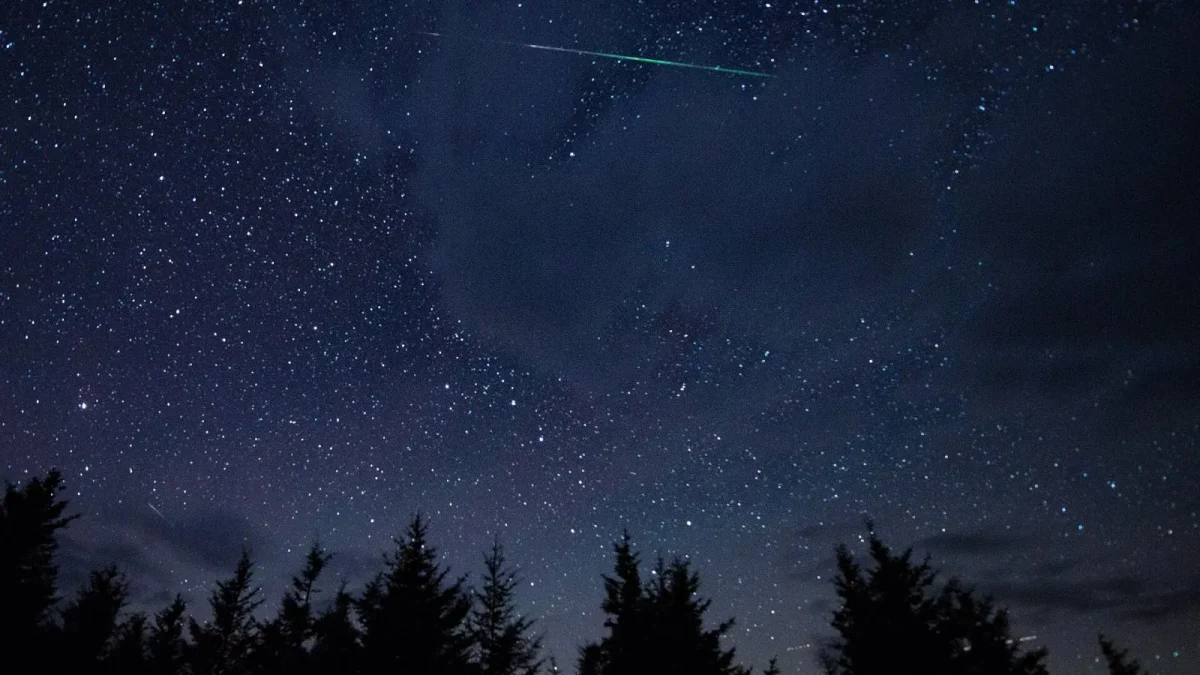
November sky guide: the Leonid meteor shower, Saturn’s rings and dark nights
Peaking on the night of 17–18 November, the Leonid meteor shower offers observers a dark sky as the Moon sets…
The Observatory data desk · sample data
Sky Events Calendar
-
Leonid meteor shower peak
Up to 15 meteors an hour after moonset; the radiant is in Leo.
Details — Leonid meteor shower peakAdd to calendar — Leonid meteor shower peak
-
Moon–Saturn conjunction
Saturn just above the crescent Moon; the rings show in a small telescope.
Details — Moon–Saturn conjunctionAdd to calendar — Moon–Saturn conjunction
-
Geminid meteor shower
The year's most productive shower: up to 100 meteors an hour at its peak.
Details — Geminid meteor showerAdd to calendar — Geminid meteor shower
-
Winter solstice
The longest night of the year; the longest darkness for observing.
Details — Winter solsticeAdd to calendar — Winter solstice
Most Read
Astronomy
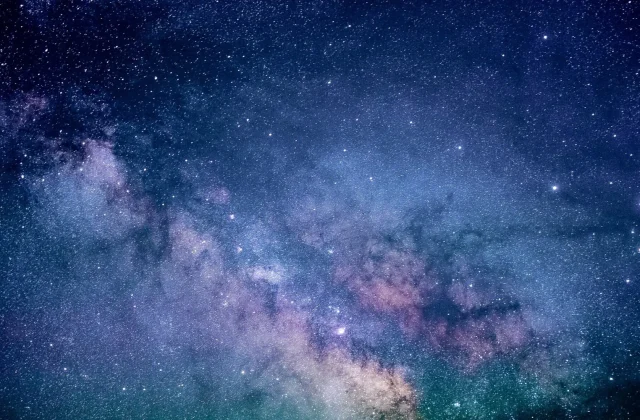
Deep-sky targets for November nights: a photo tour from Andromeda to the Pleiades
Long autumn nights offer impressive targets, from the Andromeda Galaxy, one of the most distant objects visible to the naked eye, to…
Astrophysicist Prof. Natalie Kerr: ‘We now both see and hear the universe’
We talked merging black holes, space-based detectors and young researchers with Prof. Natalie Kerr, who leads the gravitational-wave group at the Ridgeview…
Curiosity Week kicks off: observing nights, hands-on workshops and planetarium shows
Organized by the Ridgeview Astronomy Center, Curiosity Week brings science to visitors of all ages from 23 to 29 November.
Space missions of the next two years
Landing at the Moon's south pole
An ice-hunting robotic lander has reached the surface and sent its first data.
Final crew rotations on the space station
Experiments speed up ahead of the station's retirement.
Crewed flight around the Moon
A ten-day mission around the Moon with four astronauts.
Next-generation space telescope
A wide-field infrared survey on the trail of dark energy.
Mars sample return
The return of collected rock samples to Earth is being planned.
Biology




Physics
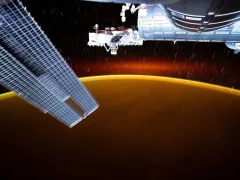
26 years in orbit: what happens to microgravity science as the space station nears retirement?
Continuous human presence on the space station has entered its 26th year. Ahead of a retirement planned for around 2030, scientists are…
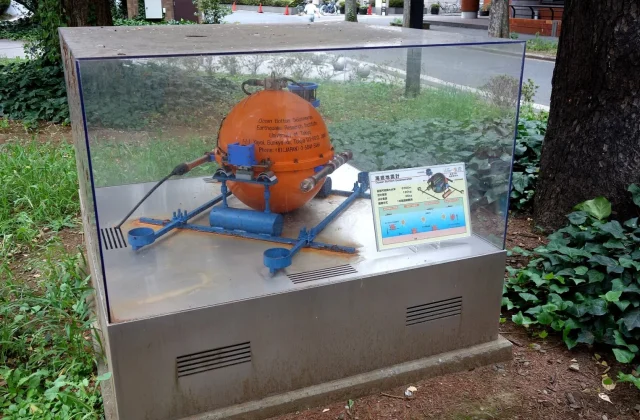
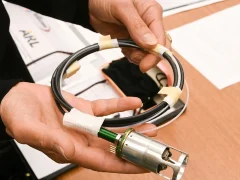
A new step in earthquake early warning: fiber-optic cables listen to the Earth’s crust
Distributed acoustic sensing, which turns telecom cables into thousands of seismic sensors, is being tested in a coastal pilot project.
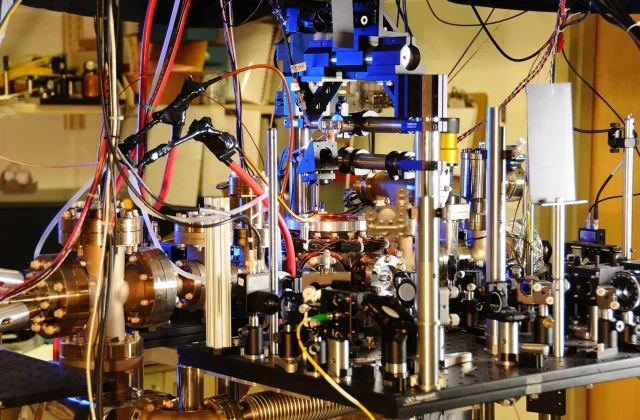
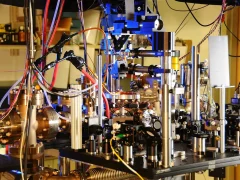
A new definition of the second is on its way: why do optical atomic clocks matter so much?
The definition of the second based on the cesium atom is now more than half a century old. The precision reached by…
Science Quiz
The Observatory science quiz: how much do you know, from space to the cell?
From planets to DNA, meteor showers to Earth's crust: a short five-question tour of science. Let's see how many you get right.