































































The last master potters: A craft’s fight for survival
We visited the last masters keeping a thousands-of-years-old pottery tradition alive in their workshops. In the video, you'll see the craft at the wheel.
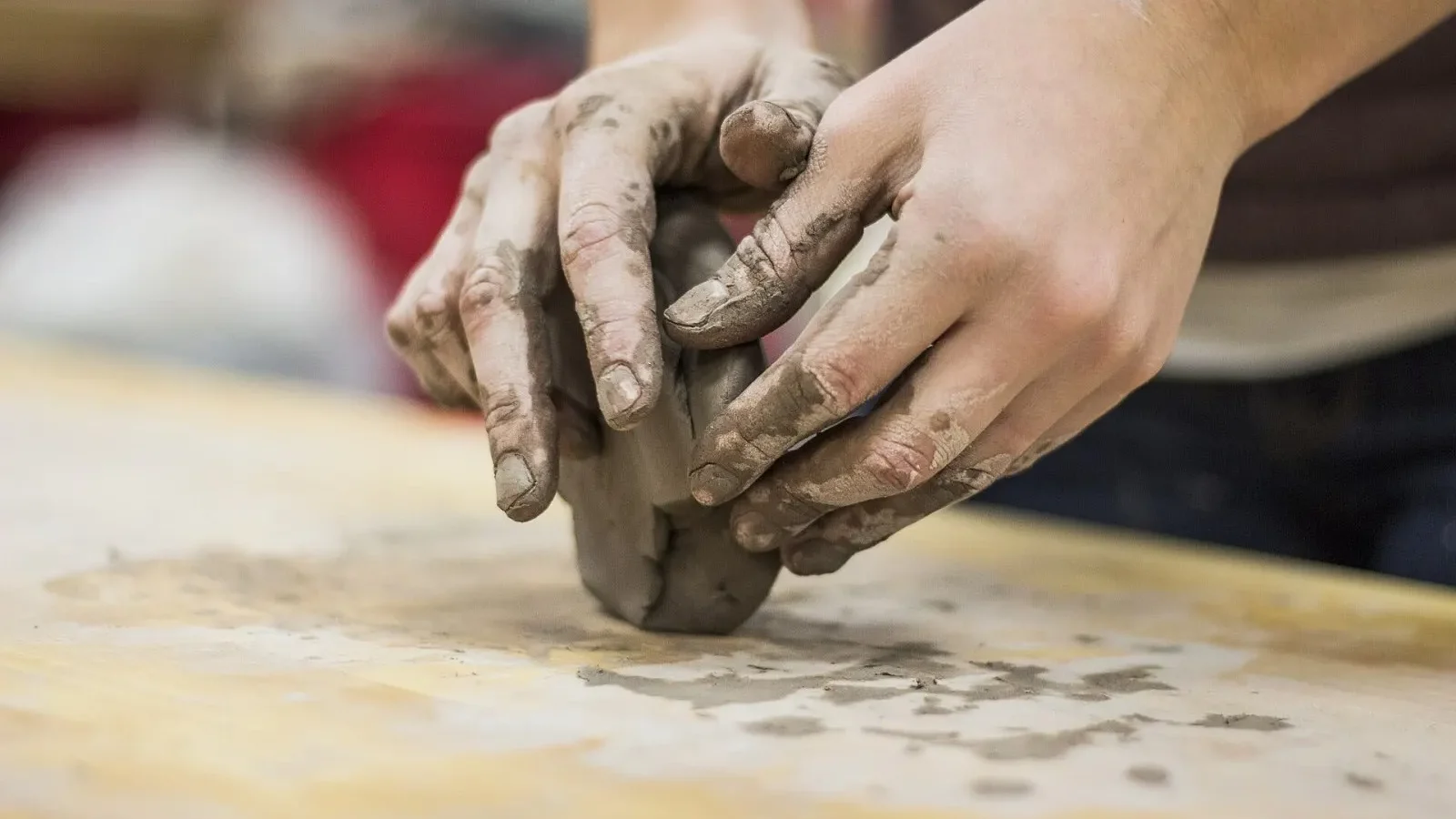
Table of contents
In some villages in the region, pottery lives on as a craft passed down from generation to generation for thousands of years. But today the number of masters carrying on the tradition shrinks every year. Henry Cole, who has been at the wheel for fifty years, says young people show no interest in the work and he can't find anyone to take over his workshop. Meanwhile, a cooperative set up by women in the village has managed to bring the pottery to new markets through online sales. Our video reveals both the fragility and the resilience of a craft.
Fifty years at the wheel
When we stepped into the master's workshop, the first thing that hit us was the smell of wood fire and wet clay. The wheel has stood in the same corner for fifty years, and the wood of its foot pedal is worn so smooth it shines. Master potter Henry Cole keeps talking as he places a ball of clay at the center of the wheel and turns it into a jug in a few movements. His hands carry knowledge passed down through generations.
Cole says he started as a child, kneading clay in his father's workshop. He never kept count of the pots he broke in those early years, but he remembers his father silently nodding when he made his first beautiful jug. To him, the craft isn't a profession but a way of learning patience. Fifty years at the wheel have taught him that haste cracks the pot. He has even written that lesson on his workshop wall.
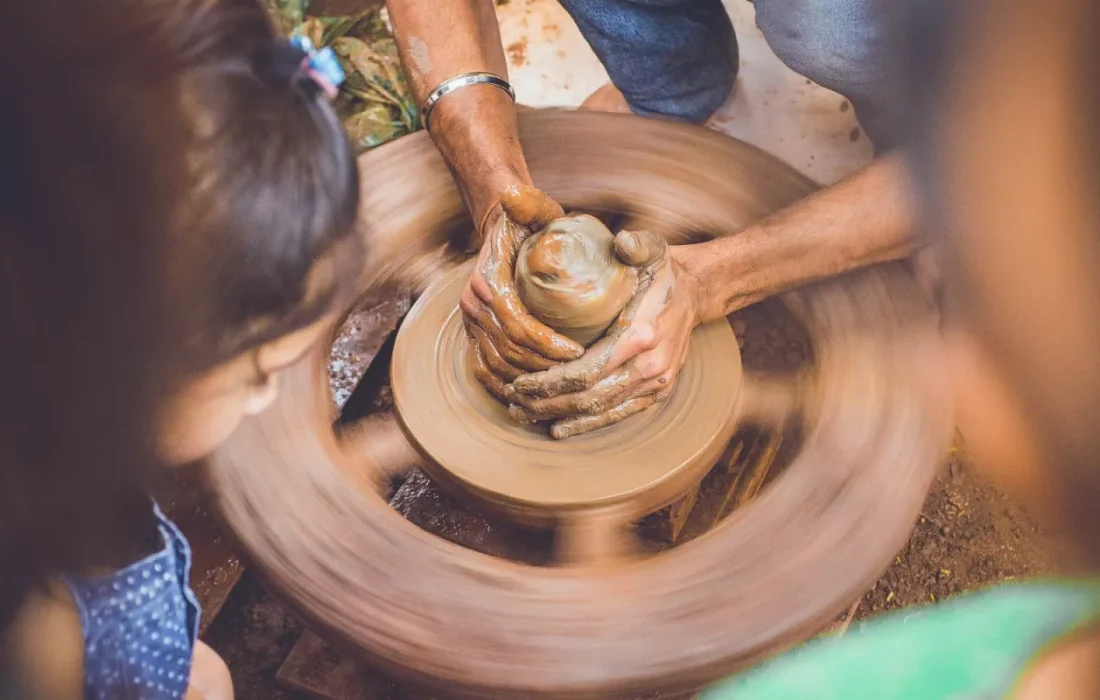
Clay demands patience; a pot that's rushed will crack.
Sophie Laurent
Masters who can't find apprentices
Finding apprentices is a problem all the masters share. The younger generation sees pottery as hard work with low pay. Most young people in the village are looking for secure jobs in the city. Because he can't find anyone to take over his workshop, Cole says he makes fewer pots every season than the year before and has let some of his kilns go cold. The number of workshops in neighboring villages has dwindled the same way.
Losing the craft means losing not just a trade but a whole body of knowledge. Which pit to take the clay from, how long to let it rest, the firing temperature and how to manage the fire are all unwritten knowledge, passed from master to apprentice. Researchers are carrying out oral history projects to document this knowledge, but they admit that documentation falls short without practice.
New ways to keep the craft alive
There are efforts to keep the craft alive. The village's women's cooperative ships pottery made by its members across the country and abroad through online sales. One of the cooperative's founders says that at first their products were seen only as souvenirs, but now kitchen sets suitable for everyday use are in greater demand. Income from sales is set aside for training apprentices.
| Topic | Culture |
|---|---|
| Highlights | women's work, migration, long read |
| Reading time | 6 minutes |
| Written by | Sophie Laurent |
Key takeaways
- Master potter Henry Cole has worked at the same wheel for fifty years.
- With no apprentices, workshops and accumulated knowledge are disappearing.
- A women's cooperative is opening new markets for the craft through online sales.
The masters and cooperative members have come up with a joint proposal: a pottery workshop at the village school one day a week. Cole says that when children first feel the clay, their curiosity awakens, and that might lead to a new master being born ten years from now. In our video, you'll see the work at the wheel, the excitement of firing day and scenes about the craft's future that are as fragile as they are hopeful.



Leave a comment