


















































A new generation of documentary filmmakers: Young people turning the camera on their own neighborhoods
Journeys that started with phone cameras are reaching film festivals. We met young documentary makers telling the stories of their own neighborhoods.
Table of contents
Instead of big production budgets, young documentary makers are making films with phone cameras and familiar places. Most of the directors we spoke with say they want to record the stories of neighborhoods changed by urban renewal, neighbors who arrived as migrants or their own families. Twenty-three-year-old director Alex Kurtis has won awards at several festivals for his short documentary about the last coffeehouse in his neighborhood, filmed before it was demolished. But the young filmmakers complain that, after festival success, there are too few distribution channels to bring their films to wider audiences. The new generation of documentary makers continues to build the visual memory of their cities.
Cinema that started on a phone
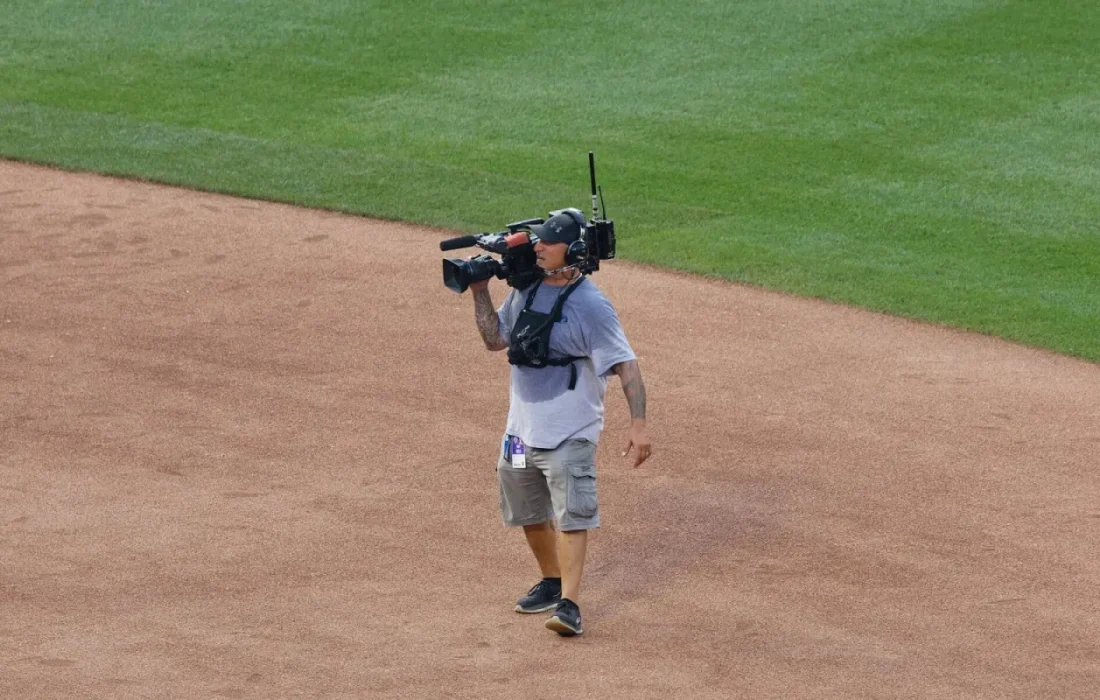
For most young documentary makers, their first camera is a phone. Twenty-three-year-old Alex Kurtis shot his short documentary on a phone he carried in his pocket for months. Before the last coffeehouse in his neighborhood was demolished, he filmed the old men who sat there, the card games at the back table and the steam rising from the morning tea. Kurtis says that once he got used to holding the camera, people started to forget it was there.
The strength of a phone camera is that it's easy to carry and doesn't draw attention. That's how many young people manage to capture private family moments and everyday neighborhood life naturally. The technical limits show up in sound and light. Many young directors working on low budgets have learned to turn these limits into creativity: close-ups, natural light and occasionally rough sound have a texture of their own.
Our neighborhood was going to be torn down; I wanted at least the footage to survive.
Sophie Laurent
Recording a neighborhood's memory
Recording the neighborhood's memory is this generation's shared motivation. Streets demolished by urban renewal, neighbors who have moved away and the daily life of a changing district can vanish as moments no one recorded. One director says she filmed the last month of her grandmother's house before it was torn down, and sees it not as a farewell but as an archive. Viewers, for their part, find their own neighborhoods in these films.
What these films have in common is a closeness to the people of the neighborhood. There's usually a family or neighborly tie between the director and the person being interviewed. That makes the conversations intimate, but it also raises ethical questions: does the person being filmed know how the film will be used, and is their consent ongoing? Young documentary makers have added conversations before and after filming to their own rules.
What comes after the festivals?
Distribution after festival success is this generation's biggest problem. An award-winning short documentary often gets lost behind an online link once the festival circuit is over. Young filmmakers want streaming platforms to open a dedicated section for independent documentaries and municipalities and cultural centers to organize neighborhood screenings. Kurtis says he'd like to screen his film at an open-air showing on the site where the coffeehouse once stood.
| Topic | Culture |
|---|---|
| Highlights | youth, urban renewal, migration |
| Reading time | 7 minutes |
| Written by | Sophie Laurent |
Key takeaways
- Young documentary makers are recording their neighborhoods' stories on phone cameras.
- They have made consent conversations before and after filming a rule.
- The lack of distribution channels after festivals is the main problem.
This generation's films continue to build the visual memory of their cities. Some directors have turned small community screenings into workshops: after the film, residents share their own memories, which are added to the archive. For many young people, like Kurtis, who says, "Our neighborhood was going to be torn down; I wanted at least the footage to survive," the camera is a way of preserving the past.
Leave a comment