













































What’s behind rising food prices? The chain from farm to shelf
We followed a tomato from the field to the supermarket shelf to see how many times its price multiplies. We examined the costs and the middlemen's share at every link in the supply chain.
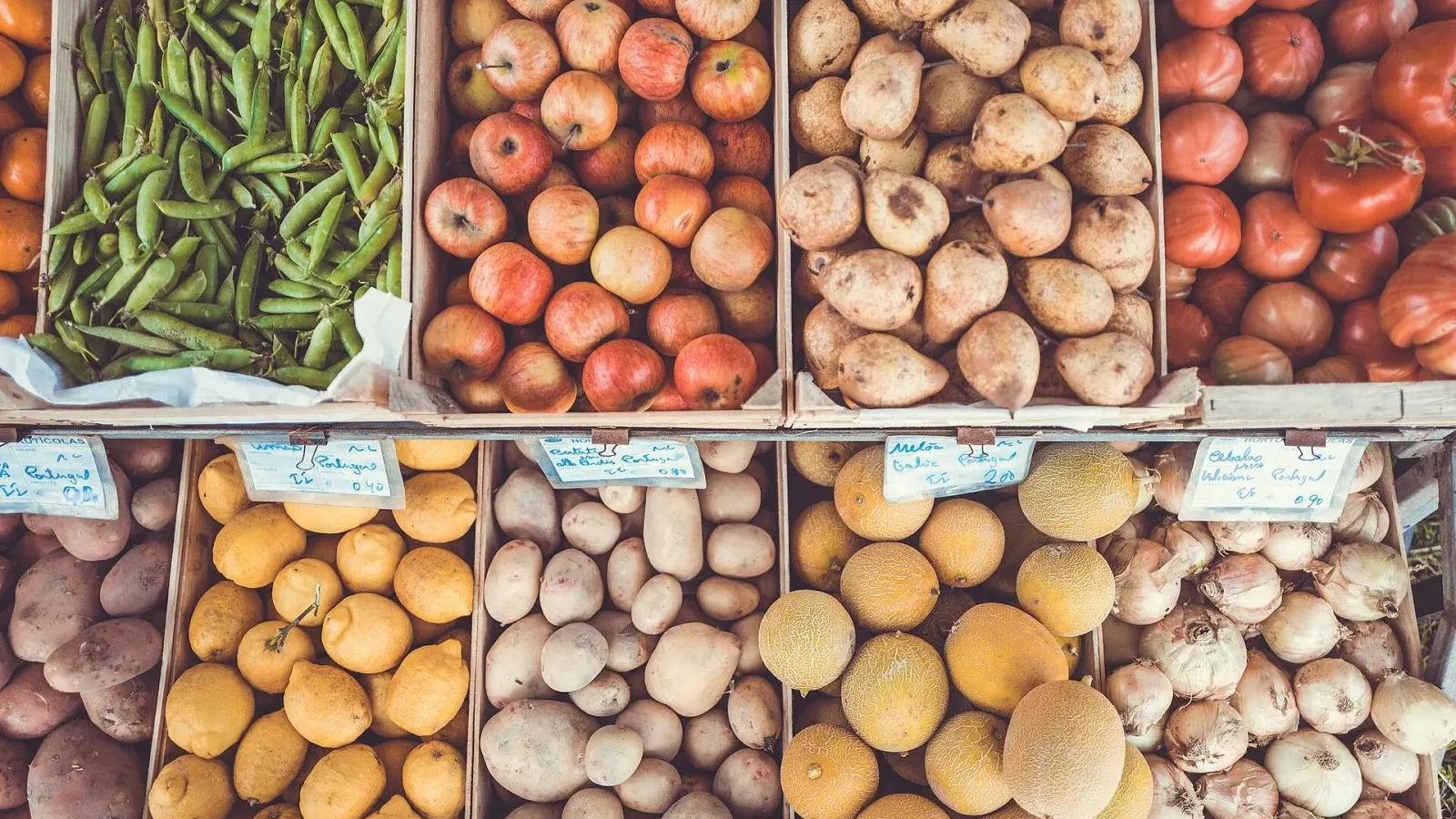
Table of contents
Food prices on supermarket shelves are one of the biggest strains on household budgets. But how much of that price goes to farmers, and how much to middlemen and retailers? To find out, we followed the journey of staples such as tomatoes, potatoes and apples from the field to the shelf. We spoke with farmers, wholesale market brokers, haulers and supermarket managers. The picture that emerged shows different cost pressures at every link in the chain.
The farm-gate price
A tomato's journey begins in a greenhouse or a field. When we asked the grower, he explained that the price per kilo is only slightly above the cost of production, and once seeds, fertilizer, pesticides and labor are deducted, the profit is very small. That figure is only a small fraction of the price we see at the supermarket. When prices fall at harvest time, the earnings all but disappear.
A similar picture emerged for potatoes and apples. Growers without cold storage have to sell their produce quickly after the harvest, while those with storage can wait for prices to rise. Because small growers don't have that power, they are price takers, not price setters. The weakest link in the chain is often in the field.
Produce that sells for pennies a pound at the farm becomes many times more expensive on the shelf.
Mark Ellison
Wholesale markets and middlemen
Wholesale markets and middlemen are the most contested part of the chain. Brokers argue that organizing sales, taking on risk and guaranteeing payment come at a price. Growers say commission rates aren't transparent and that when accounts are settled, they can't see the actual sale price of their produce. Digitizing wholesale market records could shed light on this debate. That is why publishing commission rates openly stands out as the most concrete proposed solution.
Transportation is another significant cost. Fuel prices, losses and spoilage, and the need for a cold chain are all added to the price of the produce. One hauler says five percent of the produce gets crushed or rots on the way, and that loss is reflected in the price too. Produce that changes hands several times at the wholesale market reaches the retailer with a new margin added at each stage.
The final price at the store
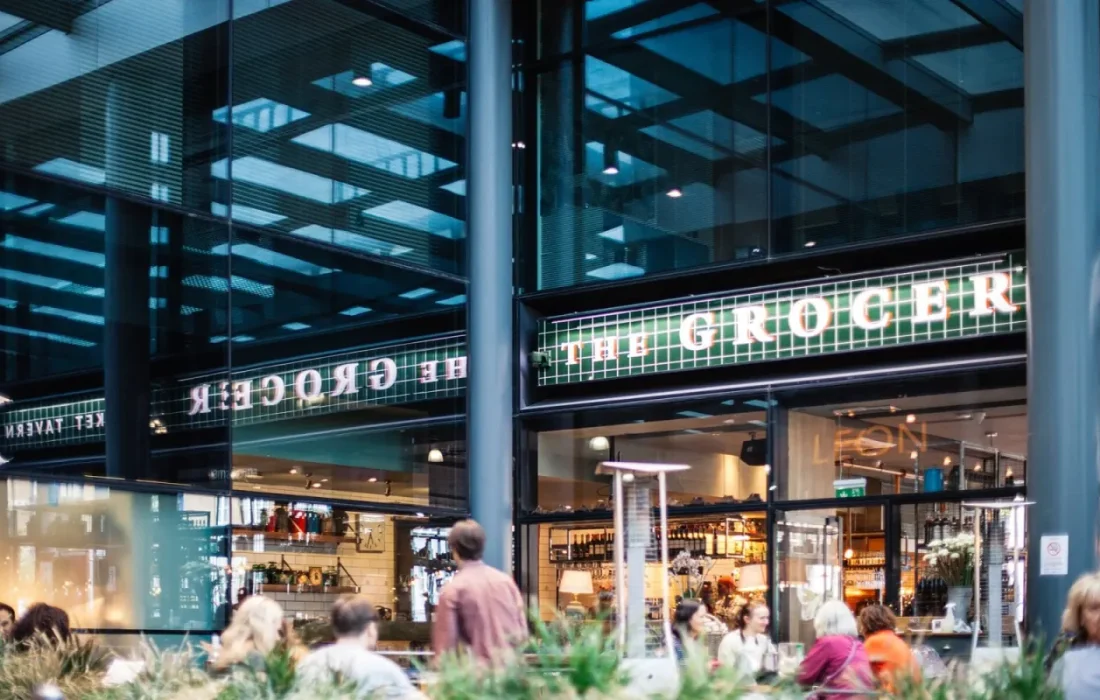
The final price at the store is the sum of rent, staff, energy, waste and profit margin. Supermarket managers say some of the produce put on the shelves spoils before it can be sold, and that waste is added to the price. Refrigeration costs are especially high for fruit and vegetables. Big chains can lower their margins thanks to volume, while small grocers remain dependent on wholesalers.
| Topic | Analysis |
|---|---|
| Highlights | food security, data journalism, transparency |
| Reading time | 9 minutes |
| Written by | Mark Ellison |
Key takeaways
- Shelf prices are two to four times the farm-gate price, depending on the product.
- Small growers without cold storage can't set their prices.
- Experts propose transparent wholesale market records and cooperative sales.
For the three products we tracked, the price gap from farm to shelf ranges from two to four times. It's hard to determine how much of that gap is reasonable cost and how much is excessive margin, because no link in the chain shares full records. Experts believe that stronger producer organizations, cooperative sales and direct sales channels could improve price transparency.


Leave a comment