








Our investigations archive: Every report published in the past year
Use this link to access every investigative report, dataset and methodology note we have published in the past year. We share our data openly with academics and journalists.
Table of contents
At News Central, we have made it a principle to share the data and methods behind every investigation we publish with our readers. All twelve in-depth reports we published over the past year, the datasets we used and the methodology notes describing our research process are now available in one place. Academics, students and other journalists are free to use this data with attribution. You can access our archive via the link below.
Reports and topics
The archive lists the twelve reports we published over the past year by topic. Under headings such as climate and water, cities and housing, labor and the economy, and health and education, readers can quickly find the report they're interested in. Each report's page includes its publication date, the team, how long it took and a summary of the sources used. Reports remain open to updates after they're completed.
Each report opens with a summary box: what the project investigated, which questions it sought to answer and what it couldn't find. As editor-in-chief, I place particular weight on that last question, because stating the limits of an investigation openly is the first condition of trust. It makes it easier for readers to tell which claims are solid and which are cautious. Corrections are kept at the bottom of the page, with their dates.
In journalism, trust is earned by openly sharing your methods.
Emily Carter
Access to datasets
Access to datasets is the archive's second layer. We share the tables, maps and calculation files used in our reports in open formats, cleaned so they contain no personal data. Each dataset comes with a codebook: what the columns mean, which units the values are in, and which source and date the data were taken from. That way, anyone else can repeat the same analysis.
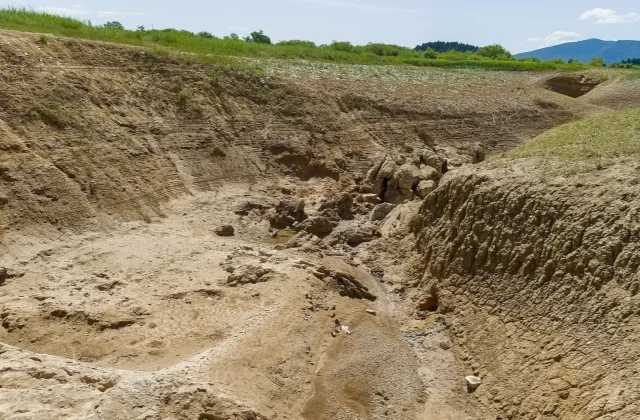
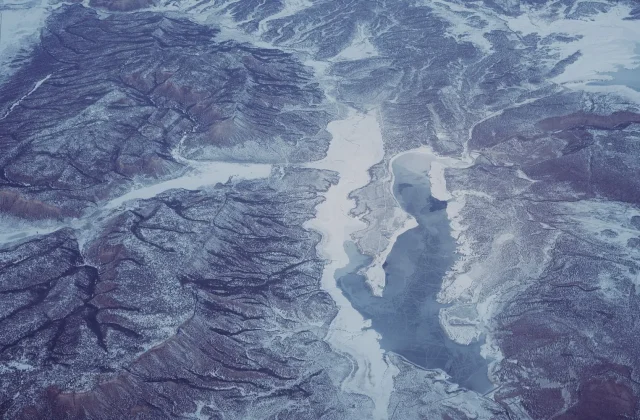
Academics, students and other journalists are free to use this data with attribution. Last year, two universities used our drying lakes data in coursework, and a group of students redid our analysis of water losses for their own city. We're delighted to see this kind of use. Sharing data extends a story's life and opens the door to new questions.
Methodology notes
Methodology notes are perhaps the least visible but most valuable part of the archive. In the notes we prepare for each report, we explain how we obtained which documents, which interviews we conducted, how we set up our calculations and where we might have gone wrong. The identities of sources who must remain confidential are protected, but the method itself is never hidden. These notes serve as an open lesson for anyone curious about how a story is made.
| Topic | Special Report |
|---|---|
| Highlights | investigation, transparency, data journalism |
| Reading time | 3 minutes |
| Written by | Emily Carter |
Key takeaways
- The past year's twelve reports are listed by topic.
- Datasets are shared in open formats, along with column codebooks.
- Each report's methodology note openly states its limits and possible errors.
We can't expect a story that doesn't share its method to earn trust. That's why we keep expanding the archive and add the methodology notes for future reports on the day they're published. Questions and suggested corrections from readers become part of the archive and are taken into consideration. In journalism, trust is earned by openly sharing your methods; the archive is that principle put into daily practice. The questions our readers ask along the way shape the archive's next versions.

Leave a comment