














An international investigative partnership: We tracked plastic into the oceans
In a joint investigation with journalists from five countries, we documented how plastic waste reaches the sea and the gaps in recycling systems. The findings are sobering.
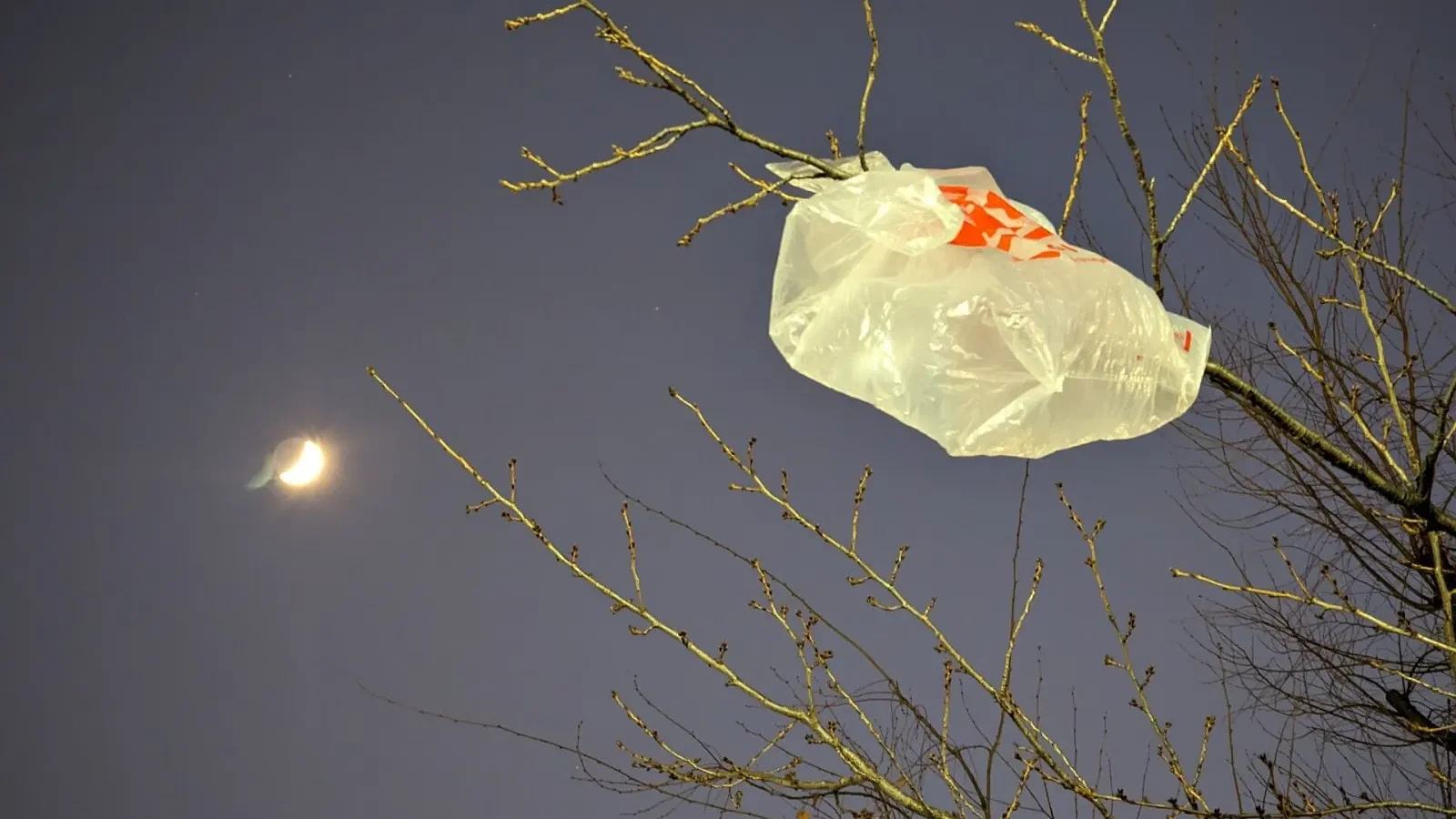
Have you ever wondered whether the plastic bottles you put in the recycling bin are actually recycled? In a joint project with investigative journalists from five countries, we tracked plastic waste fitted with tracking devices. The results revealed serious gaps between official recycling rates and reality on the ground. Some of the waste was shipped to countries thousands of miles away, while some was burned in the open or ended up in the sea.
A bottle's journey
The tracking devices were small, waterproof boxes about the size of a deck of cards. In five countries, they were placed inside plastic bottles left in recycling bins. Each device sent its location coordinates to a shared server at regular intervals, which let us follow which facility, port or landfill the waste ended up in. The project lasted seven months.
About a third of the tracked waste reached facilities listed as recycling sites in official records. Some was sent to interim depots before ever entering a facility, and from there to other countries. Some of the devices stopped transmitting in the first few weeks; we don't know what happened to them. We stated this uncertainty openly in our report, because the missing data is itself an important finding.
The recycling bin is not the end of plastic's journey; it's the beginning.
Ethan Brooks
Inconsistencies in recycling data
Inconsistencies in recycling data were the second strand of our investigation. When we put together the rates reported by municipalities, facilities and national agencies, we found that the same waste was sometimes counted in two places and sometimes not recorded anywhere. These contradictions make it hard to know the true volume of recycling. The numbers may also differ because of methodology rather than the facilities themselves.
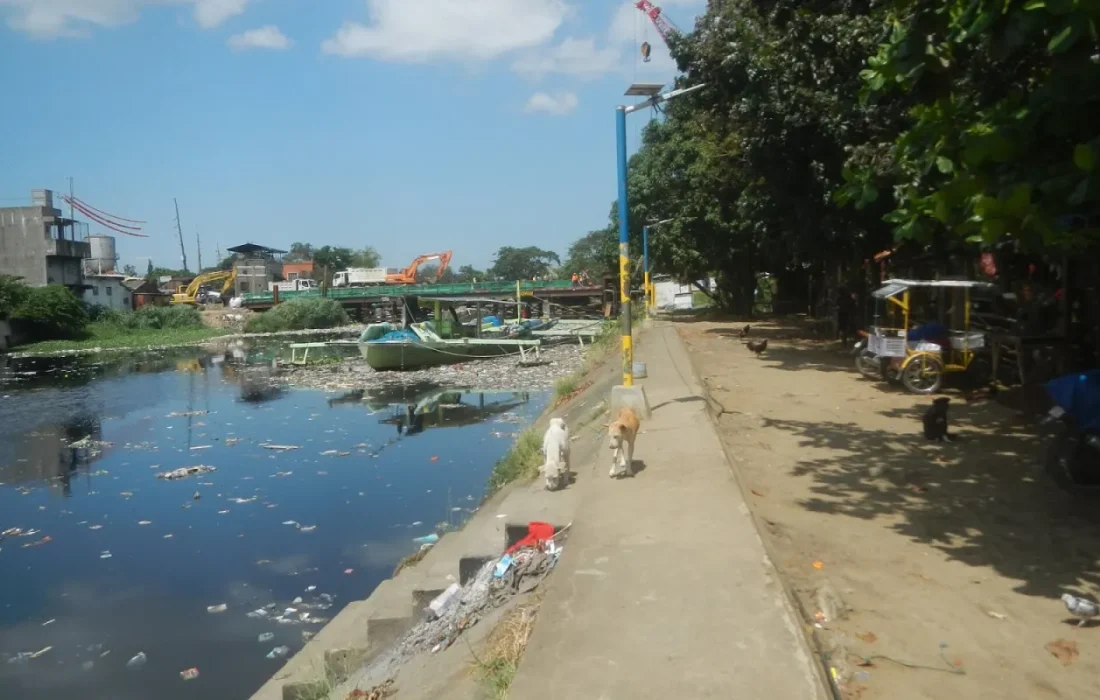
Some of the exported waste is burned in the open in the receiving country or dumped in riverbeds that flow to the sea. One of the journalists filmed a stretch of coastline near a port covered in fragments of bottles. Local residents say the rains carry this waste down the streams and into the sea. The plastic that ends up in the ocean is often the product not of a single country but of a trade network.
Proposed solutions
The proposed solutions fall under three headings. The first is traceability: clearly recording where every export shipment goes and what happens to it. The second is producer responsibility: holding the companies that put packaging on the market responsible for collecting and recycling it too. The third is simpler packaging design; mixed-material packaging is the biggest obstacle to recycling.
| Topic | World |
|---|---|
| Highlights | climate crisis, investigation, transparency |
| Reading time | 12 minutes |
| Written by | Ethan Brooks |
Key takeaways
- Tracking devices were placed in plastics left in recycling bins in five countries.
- Serious gaps emerged between official recycling rates and findings on the ground.
- Recommendations: traceability, producer responsibility and simpler packaging.
The participating journalists believe consumers alone aren't the solution but shouldn't be overlooked either. Sorting waste properly, consuming responsibly and demanding transparent information from local governments can create pressure at every link in the chain. We are sharing all the data from the joint investigation, along with methodology notes. Enabling readers and researchers to question the findings for their own areas was the real goal of the project.

Leave a comment