




























































From combines to seed drills: End-of-season maintenance steps you should never skip
Machine maintenance should not be put off after the harvest and sowing season. Our video guide shows the basic steps for servicing combines and seed drills.
Table of contents
As the hectic pace of harvest and sowing season winds down, machine maintenance often gets pushed back to the following spring. Yet skipping cleaning and servicing at the end of the season can lead to rust, rodent damage and failed seals over the winter. Then, when spring comes, breakdowns can strike right when the work is due. In our video guide, we show the basic steps of servicing a combine, a seed drill and a plow with Oscar Reid, a veteran mechanic at the fictional Elmwood Farm Machinery service shop. From cleaning and greasing to tire pressure and battery care, the checklist will extend the life of your machines and help you start next season without a hitch. Keeping regular maintenance records also helps protect resale value.
Cleaning and greasing the combine
A combine works all harvest season in an environment full of dust, straw and grain debris. At the end of the season, the debris left inside the machine attracts rodents and, combined with moisture, causes rust. Oscar stresses that the first step of maintenance is cleaning the machine from top to bottom. Blowing out the header, the sieve box, the grain tank and the engine compartment with an air compressor is the basic condition for the machine to get through the winter in good shape. Cleaning also makes it easy to spot cracks and wear that might otherwise be missed.
After cleaning, every grease point on the machine is checked and lubricated. Chains, bearings and moving parts are protected with lubricants that meet the manufacturer's specifications. Belt tension is checked; reminding us that belts left tight all winter wear out sooner, Oscar recommends loosening some of them. Worn knives, broken guards and damaged sieves are replaced at this time so the machine is ready for the next season. Doing this work in winter saves valuable time in spring.
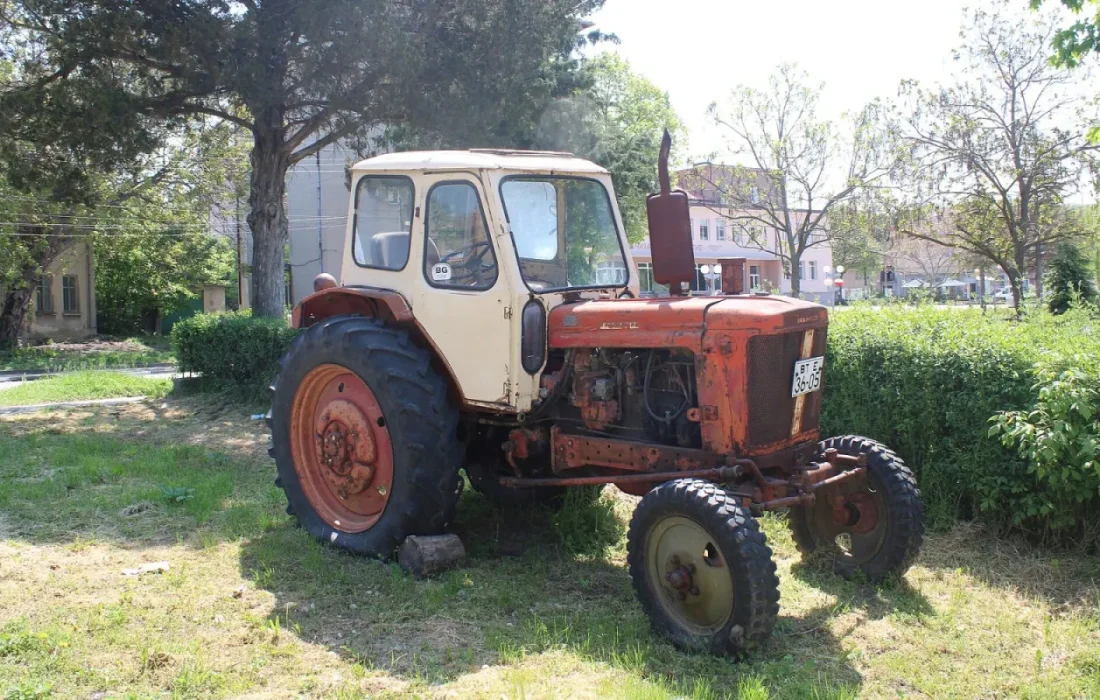
Put a machine away clean for winter, and it won't leave you stranded on a spring morning.
Jake Morales
Servicing the seed drill and plow
A seed drill directly determines sowing quality, and neglecting its maintenance can put next season's yield at risk. At the end of the season, the seed and fertilizer hoppers must be emptied completely; fertilizer left inside draws moisture and corrodes metal parts. Oscar recommends wiping the hoppers with a protective oil once they have been cleaned and dried. Coulters, seed tubes and metering mechanisms are also checked and worn parts replaced. These simple steps make sure seed is distributed evenly at the next sowing.
On plows and other tillage tools, the shares, moldboards and hitch points are inspected. Worn shares increase draft, pushing up fuel consumption, and reduce the quality of tillage. Oiling the polished surfaces that touch the soil or covering them with a protective coating against rust keeps the machine running smoothly in spring. Oscar also advises checking the hitch pins and bolts. Replacing a small part in time can prevent major breakdowns.
Rules for winter storage
Where and how machines are stored over winter matters as much as maintenance. Ideally, machinery should be kept in an enclosed, dry, well-ventilated space. Machines left outdoors wear out quickly under rain, snow and sun. If there is no indoor space, machines should at least be covered and kept off bare ground. Oscar stresses the importance of guarding against rodents, especially protecting cables and hoses. Hydraulic cylinder rods should also be retracted for protection.
| Topic | Farm Machinery |
|---|---|
| Highlights | tractors, harvest, sowing |
| Reading time | 6 minutes |
| Written by | Jake Morales |
Key takeaways
- Cleaning the combine from top to bottom prevents rust and rodent damage.
- Empty and clean seed drill hoppers and replace worn parts.
- Store machines indoors and dry over winter and keep a maintenance log.
Tire pressure should be checked and, if possible, the machine should be set on blocks to take the load off the tires. Batteries should be removed, stored in a cool, dry place and charged at regular intervals. Leaving the fuel tank full reduces condensation inside it. Finally, logging all maintenance work in a notebook helps plan the next season and protects the machine's resale value. Oscar says these records are the machine's memory.
You may also like
What do you think about this post?
Leave a comment