


























































Table of contents
Feed makes up a large share of costs in livestock farming, and quality forage gets harder to find every year. That is pushing farmers to grow their own forage crops. Autumn is a good time to sow winter forage crops such as vetch and sainfoin in particular, while alfalfa can be sown in early autumn or spring depending on the region. As legumes, these plants fix nitrogen from the air into the soil thanks to bacteria in their roots, benefiting the crops that follow. In our guide, we cover what to watch for in sowing forage crops, from choosing varieties and seeding rates to mixed sowing with grains and cutting time. Getting a soil test before sowing and choosing a variety suited to the region are the first steps to success.
A homegrown answer to the forage gap
Feed is one of the biggest cost items for livestock operations. Quality forage in particular gets harder to find every year in many regions, and costs keep rising. That is pushing farmers to grow their own forage crops. An operation that grows alfalfa, vetch or sainfoin on its own land cuts feed costs and keeps feed quality under control. Hal Burton, a fictional cattle farmer from the village of Greenfield, says this shift has made a real difference to his operation.
Burton says that until a few years ago he bought most of his forage in, and price swings left his operation in a tight spot. Since setting aside part of his land for forage crops, he says his reliance on the market in winter has dropped markedly. He adds that because he knows the quality of the feed he grows, he can put together his animals' ration with more confidence. He stresses that he always gets help from a specialist when preparing the ration. Burton says he has also noticed forage crops improving the productivity of his land.
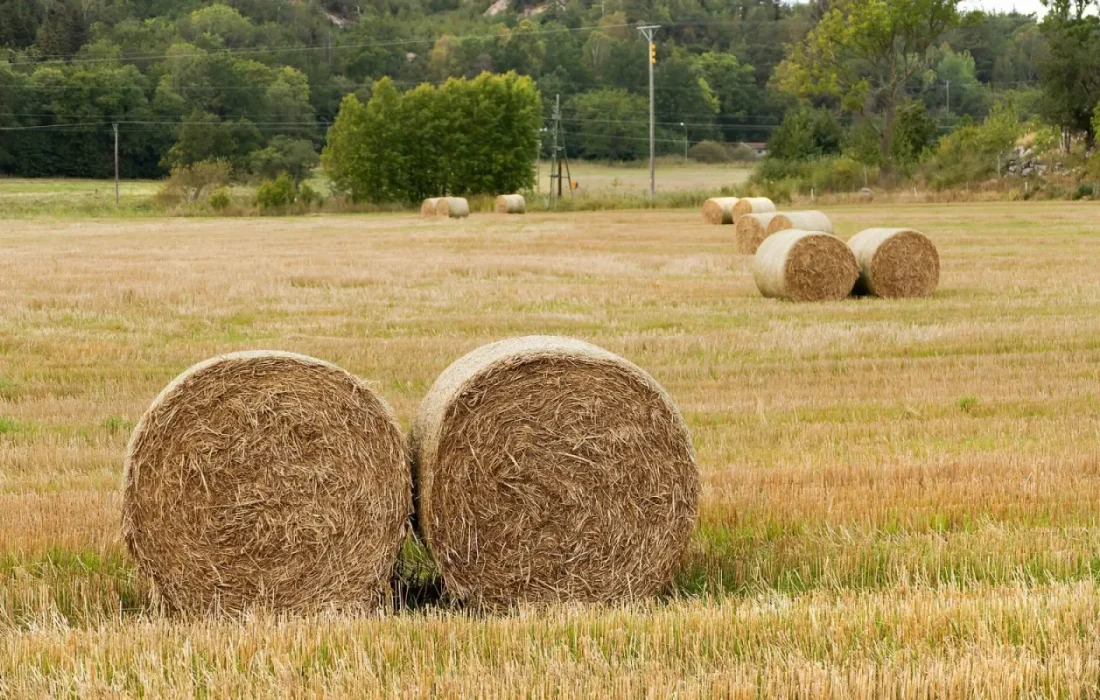
A farmer who grows feed in his own field is never at the market's mercy in winter.
Mark Ellison
What legumes give back to the soil
Most forage crops, such as alfalfa, vetch and sainfoin, belong to the legume family. Rhizobium bacteria living in the roots of these plants convert nitrogen from the air into a form the plant can use and fix it in the soil. As a result, legumes cover much of their own nitrogen needs while enriching the soil for the crops that follow. Grain sown after legumes in a rotation is known to need less nitrogen fertilizer. That is a significant advantage for growers at a time of rising fertilizer costs.
What legumes give the soil is not limited to nitrogen. Deep-rooted alfalfa loosens the lower layers of the soil and helps water soak in. Forage crops that cover the soil surface prevent erosion and increase organic matter. That is why experts stress that forage crops are an important tool not just for livestock but for soil health, too. Adding forage crops to the rotation is one of the basic steps toward sustainable farming.
Practical notes from sowing to cutting
Vetch sown in autumn is usually planted in a mix with a grain such as barley or oats. The mix lets the vetch climb the grain stalks and stay upright, boosting both yield and forage quality. Sowing date depends on the regional climate; the aim is for plants to establish well before winter arrives. Seeding rates and mix ratios vary by region and purpose, so it is wise to ask local farm advisors for guidance.
| Topic | Livestock |
|---|---|
| Highlights | forage crops, sowing, soil |
| Reading time | 6 minutes |
| Written by | Mark Ellison |
Key takeaways
- Growing its own forage reduces a farm's dependence on the market.
- Legumes fix nitrogen from the air in the soil, benefiting the next crop.
- Sowing vetch with grain in autumn can boost both yield and quality.
For alfalfa, sowing time varies by region. In mild regions, early autumn sowing may be preferred, while in cold regions spring sowing can be safer. Because alfalfa seed is so small, it needs a well-prepared, fine and firm seedbed. Cutting time is another key factor in forage quality; cutting at early bloom strikes a good balance between yield and nutritional value. Drying the hay well after cutting is also essential for quality forage.
What do you think about this post?
Leave a comment