



























































Ways to keep moisture in the soil: Mulching, cover crops and reduced tillage
One of the most effective defenses against drought is improving the soil's ability to hold water. Our video guide covers the methods being used in the field.
Table of contents
The fight against drought usually centers on irrigation systems, yet a large part of the problem lies in the soil itself. Soils low in organic matter, plowed often and left bare all year cannot hold rainwater, and precious moisture is quickly lost to evaporation and runoff. In recent years, some growers have been trying to break that cycle with mulching, cover crops and reduced tillage. Our video guide features fictional growers using these methods in fields across the central plains. Experts note that every soil is different and recommend getting a soil test before switching to a new method.
Bare soil loses water
Soil left bare quickly loses moisture to sun and wind. When raindrops hit the bare surface directly, soil particles break apart, a thin crust forms on top and water runs off instead of soaking in. This leads both to moisture loss and to fertile topsoil being carried away by erosion. Experts say keeping soil covered as much of the year as possible is one of the most effective ways to fight drought.
Mulching means covering the soil surface with organic materials such as straw, stalks, leaves or compost. This layer shields the soil from direct sunlight, reducing evaporation, softens the impact of raindrops and, as it breaks down over time, adds organic matter to the soil. Mulching is especially used in vegetable gardens and around the base of fruit trees, where it can markedly reduce irrigation needs. It also suppresses weed growth. It is important to keep the mulch at an even depth and away from tree trunks.
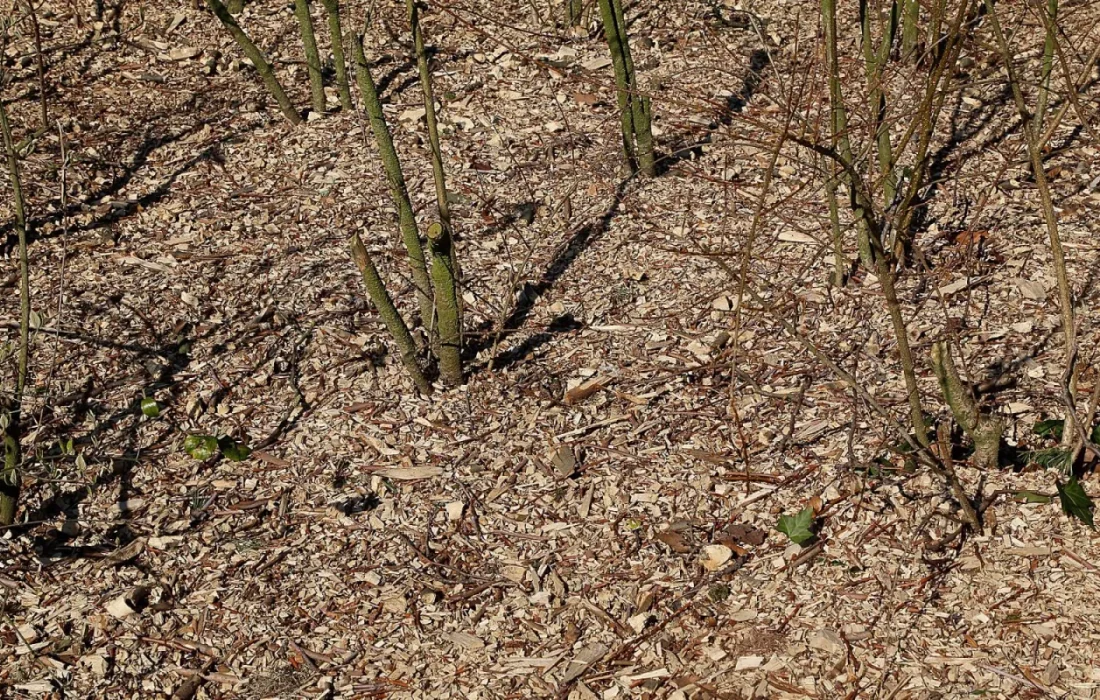
Once we covered the soil, every drop of rain started staying in the field.
Ethan Brooks
A living shield of cover crops
Cover crops are plants sown to protect the soil during periods when the main crop is not growing. Crops such as vetch, fava beans, rye and oats are sown in autumn to cover the soil through the winter. Their roots improve soil structure, help water soak in and prevent erosion. Legumes also fix nitrogen from the air in the soil, creating a natural source of fertilizer for the next crop. Cover crops also help the living organisms in the soil thrive.
Scott Archer, a fictional grower on the central plains, has been sowing cover crops on his field after the wheat harvest for four years. He says his neighbors were skeptical at first, but after seeing the change in his soil structure, some of them have started trying it too. Archer says his soil now soaks up rain better and holds its moisture longer, even in dry spells. Cover crops do, however, need to be terminated at the right time so they do not compete with the main crop for water.
Less tillage, more moisture
In conventional farming, deep plowing every year is common practice. But every pass brings moisture from the lower layers of soil to the surface, where it evaporates, and speeds up the breakdown of organic matter. With methods such as reduced tillage or direct drilling, the soil is disturbed as little as possible and the previous crop's stubble is left on the surface. This approach conserves soil moisture while also saving fuel and labor.
| Topic | Climate and Water |
|---|---|
| Highlights | soil, drought, irrigation |
| Reading time | 6 minutes |
| Written by | Ethan Brooks |
Key takeaways
- Covered soil holds rainwater better and is protected from erosion.
- Cover crops improve soil structure and provide a natural source of nitrogen.
- Switch to reduced tillage gradually, starting with small test plots.
That said, switching to reduced tillage takes careful planning. Suitable seeding equipment, weed management and choosing the right method for the soil type are critical for success. Experts recommend moving gradually by testing the approach on small plots rather than converting the whole field at once. Noting that every soil is different, they advise always getting a soil test before switching to a new method and seeking support from local farm advisors.
What do you think about this post?
Leave a comment