































Table of contents
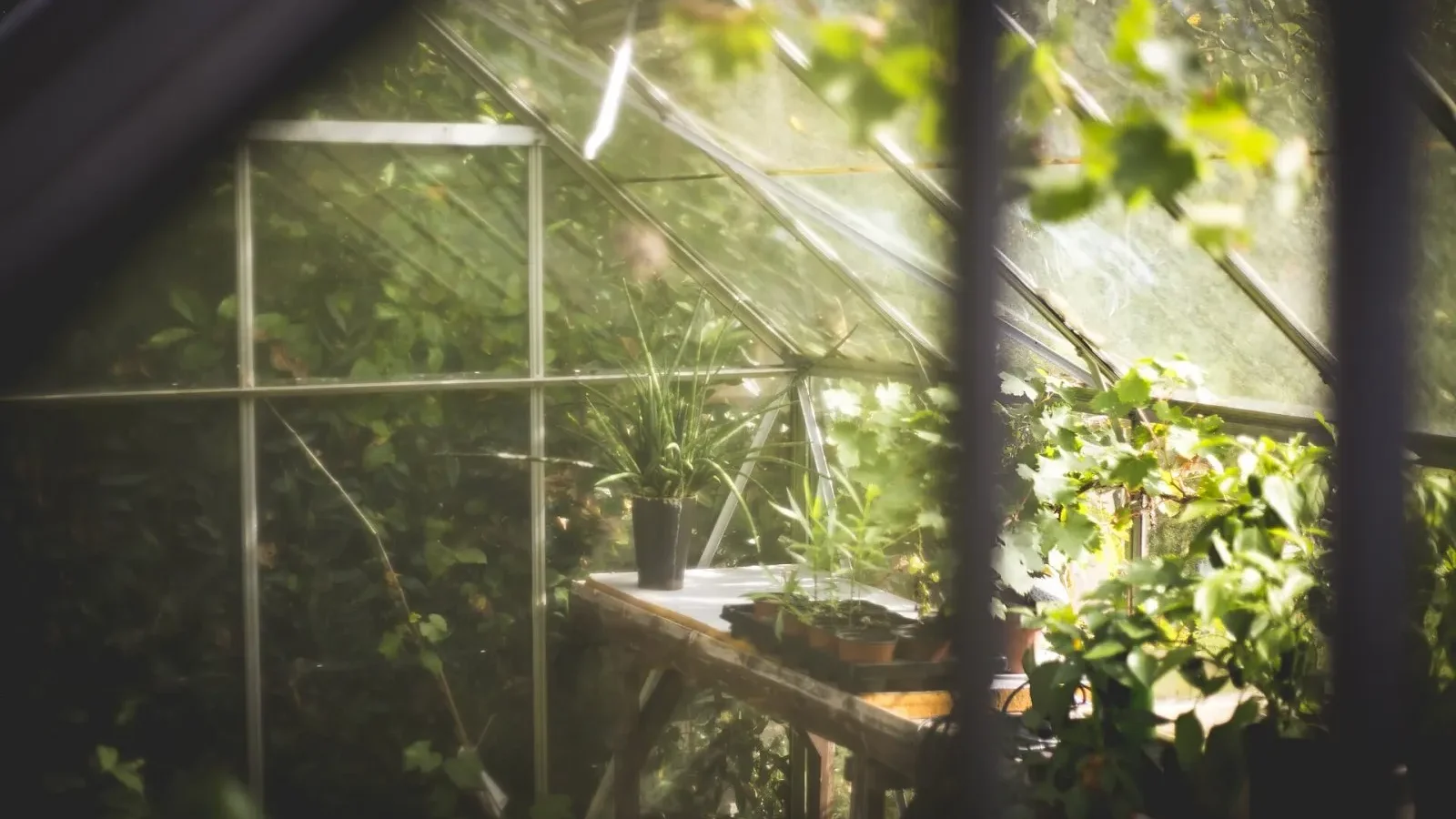
A large share of the tomatoes, peppers and cucumbers on our winter tables comes from greenhouses along the southern coast. A quiet transformation has been underway in these greenhouses in recent years: sensors that measure temperature, humidity, light and soil moisture, vents that open automatically and computer-controlled fertigation systems are becoming more and more common. The fictional Skyfield Greenhouses has been using these systems on about 2.5 acres for three years. The owners say data-driven management has reduced their water and fertilizer use and helps them spot disease risks early. We visited to see the greenhouse's daily routine, the investment process and the challenges along the way. We also noted tips that small operations can put into practice.
The greenhouse's digital nervous system
At Skyfield Greenhouses, the first job every morning is checking the data from sensors placed all around the greenhouse. Readings such as temperature, relative humidity, light intensity, carbon dioxide levels and soil moisture reach the owners' phones and computers in real time. When values move outside set limits, the system sends an alert. Nina and Chris Gale, the fictional siblings who run the business, say this lets them respond to problems much faster.
Combined with automation systems, sensor data allows the greenhouse to largely run itself. When the temperature rises, the vents open automatically; when there is too much light, shade screens kick in. When humidity climbs above a certain level, ventilation is increased. Chris Gale says they used to get up in the middle of the night and go out to the greenhouse; now the system takes care of most of that, though they still walk through every day to check the plants with their own eyes.
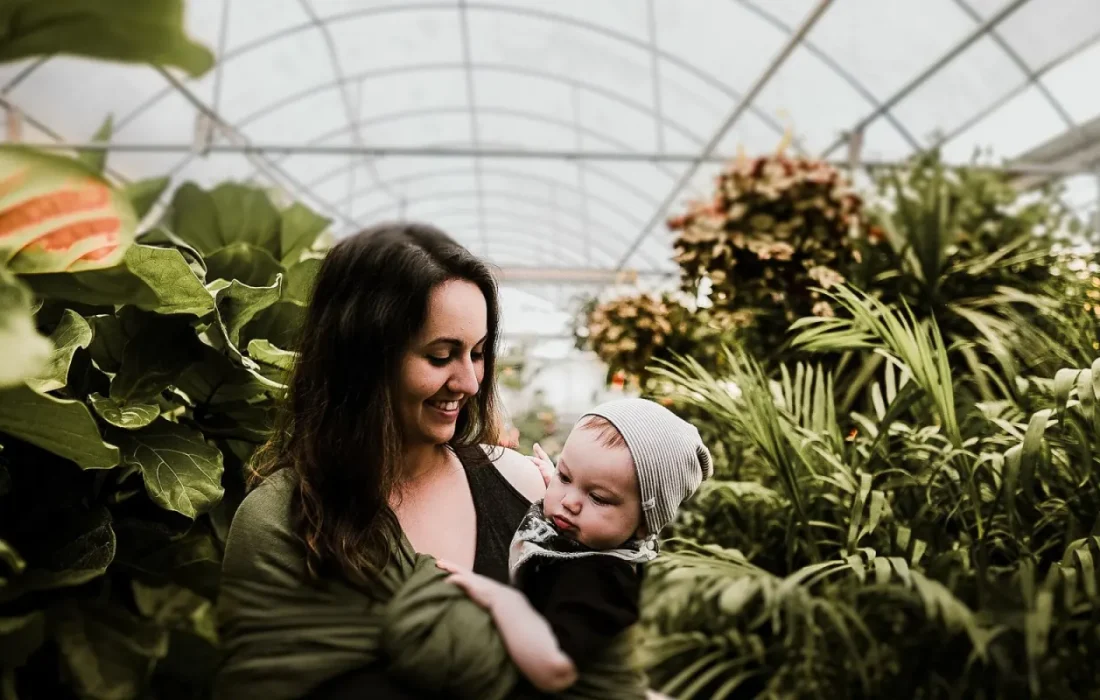
We used to walk into the greenhouse and smell the air; now we check the phone and decide what to do.
Jake Morales
Fertilizer and water, drop by drop
One of the biggest benefits of smart greenhouse growing is being able to supply water and fertilizer according to what the plants need. The fertigation system at Skyfield delivers fertilizer together with irrigation water through drip lines. By measuring the volume and electrical conductivity of the drainage water, the system calculates how much water and nutrients the plants are taking up. This prevents overuse of water and fertilizer. The approach lowers costs and also reduces the burden on the environment.
Nina Gale says their water and fertilizer use has dropped markedly since they started using the system. They have also seen an improvement in crop quality. But for the system to work properly, it needs regular calibration as well as water and leaf tests. The Gales stress that they draw up their fertilizer recipes with an agronomist, and that the system only delivers real benefits when it is fed the right information. They also point out that automation fed with bad data can simply speed up bad decisions.
Investment, training and payback
The upfront cost of smart greenhouse systems is a significant barrier for many small operations. The Gales say they invested in stages, starting with basic sensors and adding automation over time. This approach spread the budget burden and gave them time to learn the system. Experts recommend that small operations follow a similar step-by-step path. That way, the Gales were able to take each new step after seeing the results of the previous investment.
| Topic | Agtech |
|---|---|
| Highlights | smart greenhouse, irrigation, soil |
| Reading time | 7 minutes |
| Written by | Jake Morales |
Key takeaways
- Sensors and automation monitor and manage the greenhouse climate in real time.
- Fertigation delivers water and fertilizer according to what the plants need.
- Step-by-step investment and training are the soundest path for small operations.
Training is as decisive as the technology itself in making the system work. For a grower who cannot read and interpret the data, sensors can remain nothing more than meaningless numbers. The Gales say that, besides the training they received from the company that installed the system, they share experience with other greenhouse growers nearby. They say their data has become a kind of memory for their greenhouse, helping them make better-informed decisions every season. In their view, technology does not replace the grower's eye; it strengthens the grower's decisions.
What do you think about this post?
Leave a comment