


























































The week in commodity markets: Indicative prices for wheat, barley and corn hold steady
The sowing-season lull continues in the grain market. We round up the indicative price picture for wheat, barley and corn and the week's top stories.
Table of contents
The sowing-season lull in the grain market carried on this week. With most growers busy planting in the field, trading volumes on the commodity exchanges stayed limited. In indicative terms, milling wheat traded at roughly $325 to $350 per ton depending on quality grade. Barley moved in a range of $265 to $285, while corn traded between $290 and $305 depending on moisture content. These figures are provided only to illustrate the general trend. Before making a sales decision, be sure to check the latest bulletins from your regional exchange.
Quality makes the difference in wheat
Wheat prices moved in a narrow range this week. In indicative terms, high-protein milling wheat found buyers at levels approaching $345 per ton, while lower-grade lots traded at around $325. Exchange sources say the gap between quality grades has widened noticeably in recent years, with mills paying more attention than ever to protein content and test weight. The importance of quality testing was once again clearly visible in this week's trades.
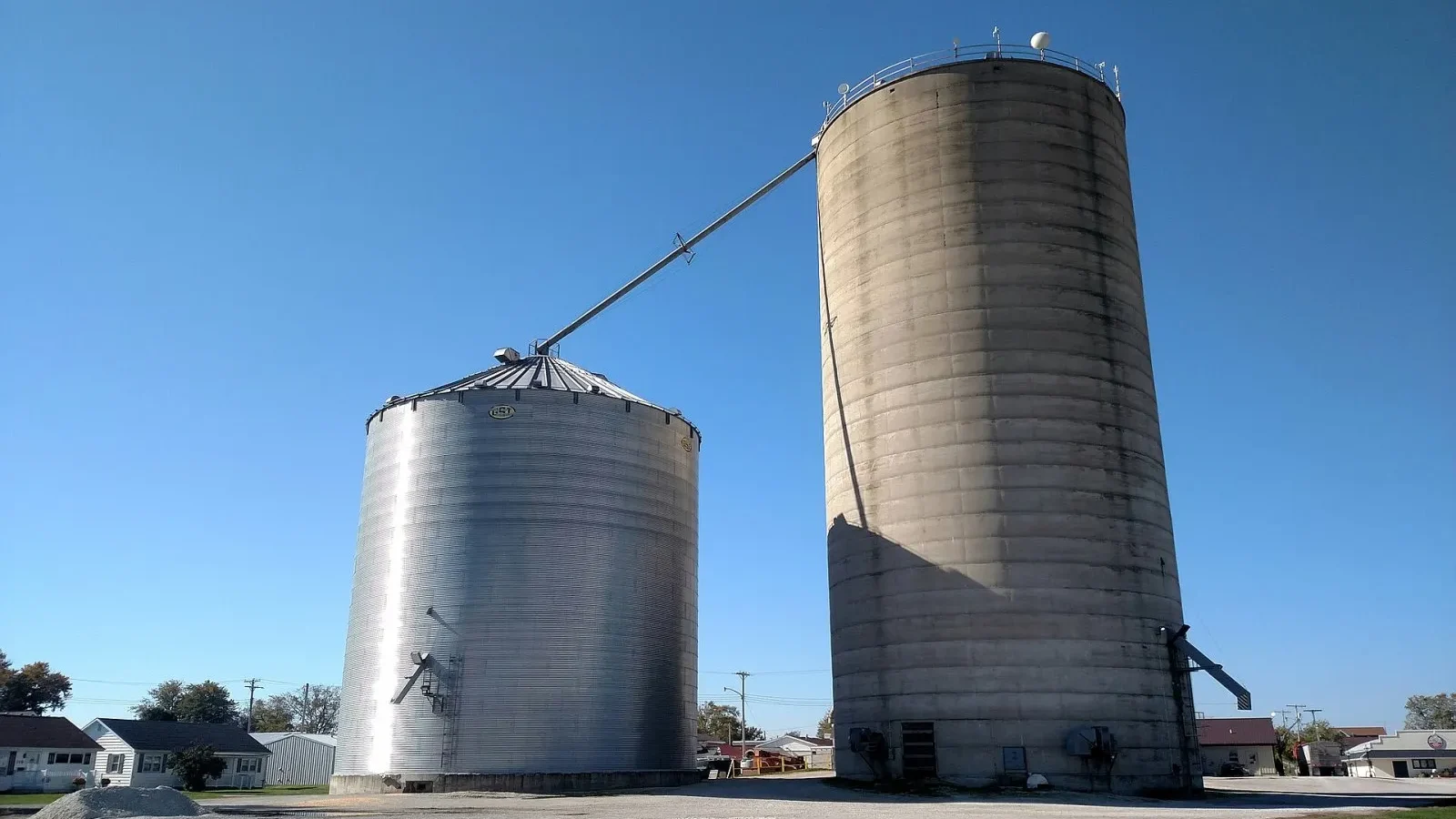
Growers holding their crop in licensed warehouses after harvest are in no hurry to sell for now. Warehouse receipts, which let them sell the crop without physically moving it, give growers flexibility. Experts remind growers who store their crop to weigh storage costs against their price expectations. The figures given here are indicative; for current prices, follow the daily bulletins of your regional exchange. Keep in mind that the longer the crop is stored, the more costs such as rent and insurance add up.

On the exchange, the best price goes to the grower who stores the crop best.
Sophie Laurent
Demand holds balanced for barley and corn
In the barley market, demand from the feed industry supported prices. Barley traded at an indicative $265 to $285 per ton, with livestock operations stocking up ahead of winter driving activity. Malting barley is treated as a separate quality grade and can fetch better prices than standard feed barley. Barley growers expect demand to stay balanced in the coming weeks. On exchanges close to livestock regions, trading volumes ran higher than elsewhere.
On the corn side, with the harvest in its final stretch, new crop continues to come onto the market. Corn traded in an indicative range of $290 to $305, with moisture content the biggest factor in price. High-moisture corn finds buyers at lower prices because of drying costs. Growers with access to a drying facility are at an advantage right now. The starch and feed industries remain the market's main buyers.
What to watch in the coming weeks
Key factors to watch in the grain market in the coming weeks include the condition of newly sown fields, winter rainfall and developments in international markets. Adequate rain in November and December could boost expectations for next season's crop. If not, price expectations could become volatile. Exchange sources expect trading volumes to pick up somewhat once the sowing season is over. That means developments in the field will be the biggest factor setting the market's direction in the months ahead.
| Topic | Commodity Markets |
|---|---|
| Highlights | markets, wheat, harvest |
| Reading time | 5 minutes |
| Written by | Sophie Laurent |
Key takeaways
- The price gap between wheat quality grades is widening.
- For corn, moisture content is the biggest factor in the indicative price.
- Quality testing and official exchange data should guide every sale.
Growers are advised not to rush sales decisions, to compare offers from different buyers and to have their crop quality-tested in advance. A lab report strengthens the grower's hand in negotiations. Transport costs and payment terms are also among the factors that determine net income. Harvest News will keep sharing the indicative price picture every week, but we remind you to always rely on official exchange data before deciding to sell. Follow our weekly outlook to keep track of the market's general trend.
What do you think about this post?

2 Comments
Really useful piece, thank you for putting it together.
I had never thought about this side of it. Looking forward to a follow-up.