


























































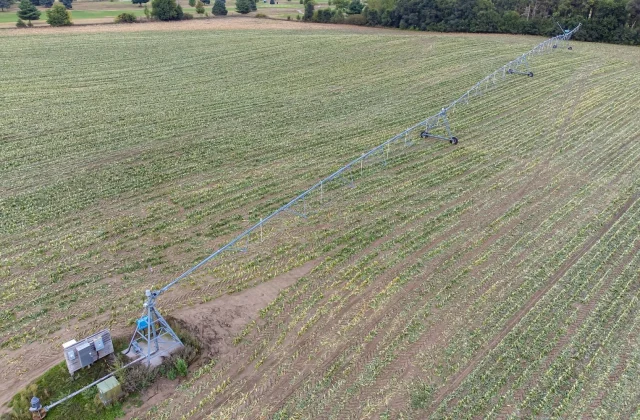
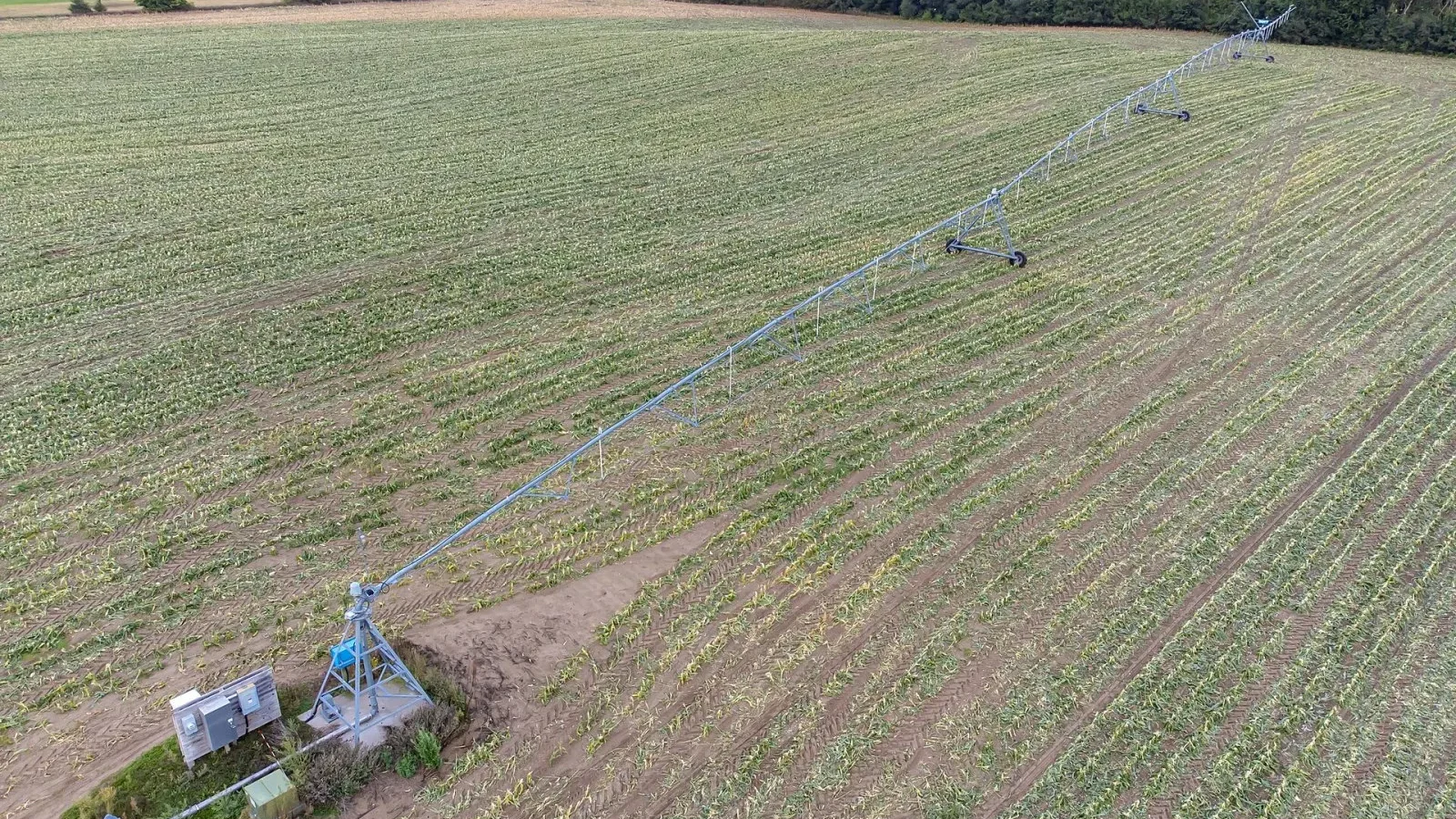
Irrigation in the shadow of drought: Villages that switched to drip irrigation cut water use by half
In plains where groundwater is running low, villages that switched to drip irrigation have cut their water use significantly while maintaining yields.
Table of contents
Lower and more erratic rainfall in recent years has pushed groundwater levels down across many plains. For growers forced to drill their wells a little deeper every year, the answer is being sought in the move from flood irrigation to drip. In the fictional village of Meadowbrook in the central plains, a shared irrigation cooperative set up three years ago is one of the most striking examples of this shift. Thanks to drip lines installed across the village's sugar beet, corn and vegetable fields, seasonal water use has dropped significantly, according to the growers. Yields have not suffered, they say, and some plots have even seen gains. We visited the village to hear about its experience, the challenges it faced and the lessons other villages can take from it.
Deeper wells, less water
The elders of Meadowbrook recall that in their childhood, you only had to dig a few meters to hit water. Today, some of the village wells draw water from much deeper, and every year they have to go a little further down. Lower, more erratic rainfall and years of flood irrigation have outpaced the rate at which groundwater is replenished. Villagers say that, with rising electricity bills, they are seeing the true cost of water more clearly than ever. Some families have had to shrink their irrigated area because of rising pumping costs.
The problem is not unique to this village. Experts point out that groundwater levels are falling across many plains, and in some areas problems such as land subsidence are now being discussed. The sustainable use of water resources is no longer just a matter of environmental policy, but of the future of farming itself. In Meadowbrook, villagers decided to come together to change course, and as a first step they set up a shared irrigation cooperative. Founding the cooperative was also the first step toward the village seeing water as a shared asset.
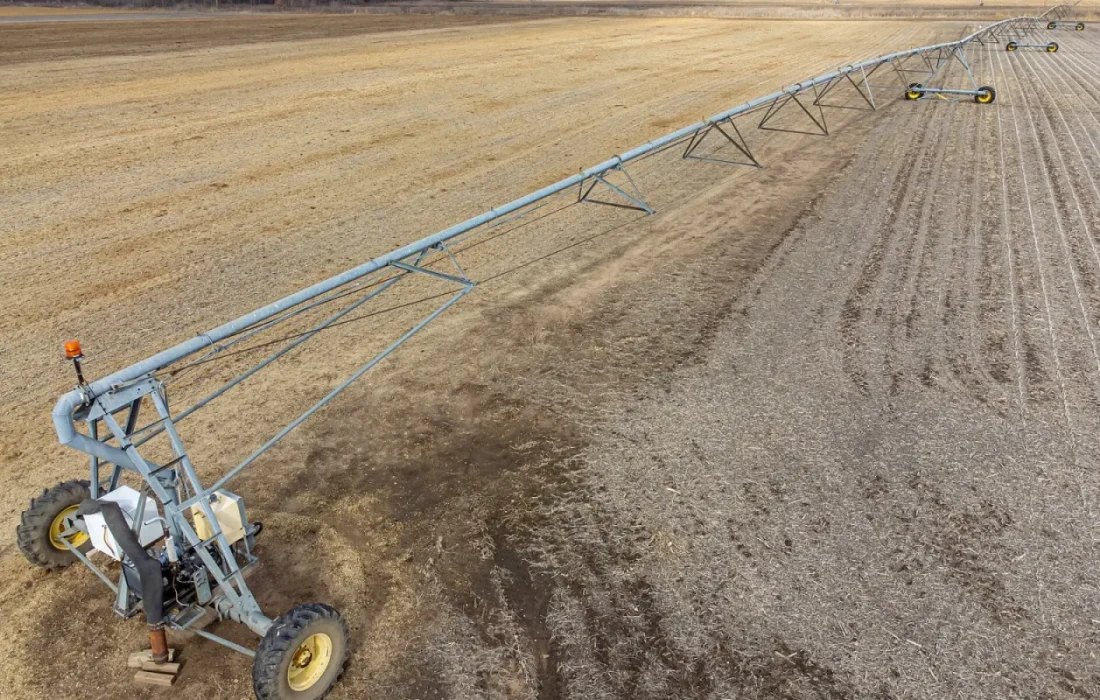
As water ran short, we had to know where every single drop was going.
Ethan Brooks
Moving to drip through a shared line
The cooperative's first job was to walk the village's fields one by one and assess their irrigation needs. Then a main line was laid from the shared tank in the village square out to the fields, and every plot was switched to drip irrigation. Alongside members' contributions, the project was financed with help from rural development support programs. Cooperative chair Matthew Parr, a fictional character, says the first year was not easy, as some growers struggled to trust the system. Over time, the growers who saw the results became the cooperative's strongest advocates.
With drip irrigation, water is delivered directly to the plant's root zone in small amounts. This greatly reduces the water lost to evaporation and runoff. The system also allows fertilizer to be applied together with irrigation water. But to keep emitters from clogging, the water must be filtered, the lines checked regularly and the system cleaned at the end of every season. The cooperative also runs regular maintenance training for its members. This training plays a decisive role in keeping the system working for years.
Balancing savings and yield
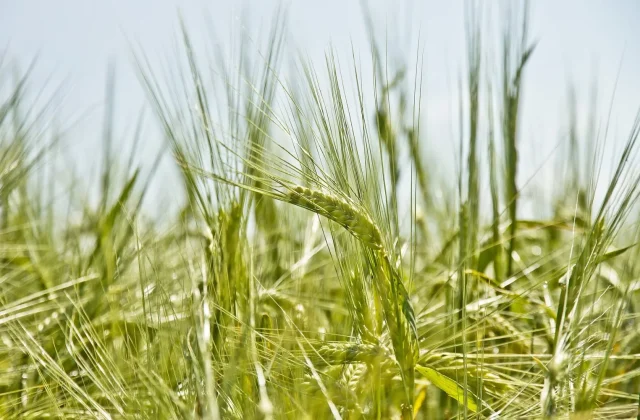
After three years, according to the village's growers, seasonal water use has fallen by almost half compared with flood irrigation. Sugar beet and corn fields saw no loss in yield, while vegetable plots showed better crop quality. Growers say weed problems have also eased, because water now goes only to the crop rows. Lower electricity costs helped the system pay for itself within a few seasons. These quick results have also changed how the village's young growers see farming.
| Topic | Climate and Water |
|---|---|
| Highlights | irrigation, drought, cooperatives |
| Reading time | 8 minutes |
| Written by | Ethan Brooks |
Key takeaways
- Deepening wells are the clearest sign of falling groundwater.
- Drip irrigation delivers water to the root zone, greatly reducing losses.
- For lasting savings, planting plans should also match the available water.
Still, experts stress that drip irrigation is not a magic bullet on its own. For water savings to last, planting plans also need to be reviewed, and water-hungry crops need to be weighed against the region's water potential. Meadowbrook's experience is drawing interest from growers in nearby villages, too. Next year, the cooperative plans to hold knowledge-sharing meetings with neighboring villages and draw up a shared pond project for rainwater harvesting.
What do you think about this post?
2 Comments
Really useful piece, thank you for putting it together.
I had never thought about this side of it. Looking forward to a follow-up.