
























































Winter prep starts in the barn: A feed, housing and hygiene guide for dairy cattle
The cold months have a direct impact on milk yield and animal health in dairy herds. Here are the key steps of winter prep, from forage stocks to barn ventilation.
Table of contents
As temperatures drop, dairy operations are stepping up their winter preparations. For animals coming back from pasture into the barn, enough quality forage, proper ventilation and a strict hygiene routine stand out as the basic conditions for maintaining milk yield all winter. Experienced farmers say the most common winter mistake is sealing the barn completely to keep it warm, which can lead to a buildup of moisture and ammonia and, in turn, respiratory problems. In this guide, we have gathered the steps of winter preparation, from feed planning and barn layout to vaccination schedules and record-keeping. Remember to consult a veterinarian on any matter concerning animal health.
Filling forage stocks on time
The first requirement for maintaining milk yield through the winter is an adequate stock of quality forage. Storing forage such as alfalfa, vetch, hay and corn silage before winter starts protects the operation from mid-winter price spikes and supply problems. Experienced farmers recommend working out in advance how much feed each animal will need over the winter and leaving a small safety margin. Poor planning can mean buying expensive feed at the end of winter.
How feed is stored matters as much as how much there is. Hay kept in damp conditions can mold and threaten animal health. Silage pits need to be sealed airtight and, once opened, used every day from an even face. Roger Wells, a fictional dairy farmer from the village of Lakeside, says he has his feed tested from time to time to understand its quality and prepares the ration together with a specialist. In his view, the right ration protects both yield and animal health.
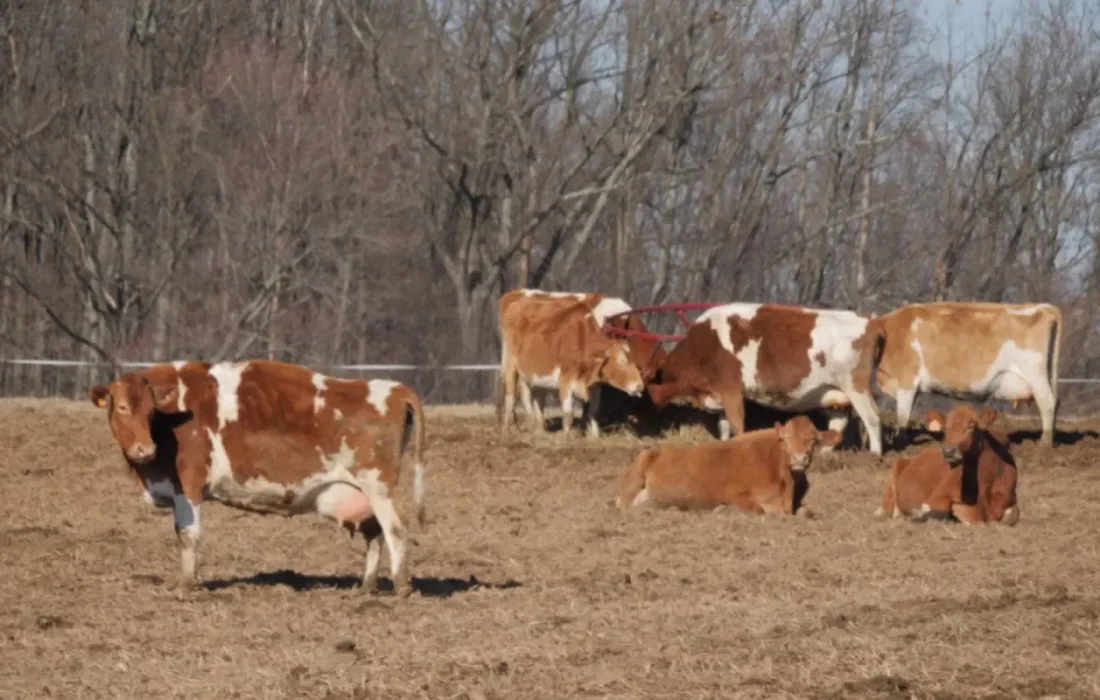
In winter, a barn should not be warm; it should be dry, with clean air.
Mark Ellison
Ventilation and humidity control
One of the most common winter mistakes is closing every window and door to keep the barn warm. This causes moisture, ammonia and carbon dioxide to build up inside. Stale air is seen as one of the main triggers of respiratory disease, especially in calves. Experts stress that cattle tolerate cold far better than people think; what really matters is providing a dry, well-ventilated space free of drafts.
For proper ventilation, it is recommended to leave openings in the upper part of the barn so fresh air can come in and stale air can escape. Condensation on windowpanes is a simple sign that humidity in the barn is too high. Changing bedding regularly and keeping the floor dry also help with both humidity control and hoof health. Roger Wells says the roof ventilation he had installed in his barn a few years ago has markedly reduced disease problems. He adds that the savings on vet bills soon covered the cost of the investment.
Hygiene, vaccines and record-keeping
In the winter months, milking hygiene is especially important for udder health. Cleaning udders before and after milking, cleaning milking equipment regularly and keeping the areas where animals lie down clean all reduce the risk of mastitis. Keeping water troughs from freezing and making sure animals always have access to clean water also directly affect yield. A cow left without water can quickly show a marked drop in milk yield. Trough heaters or insulated, frost-proof lines offer practical solutions in cold regions.
| Topic | Livestock |
|---|---|
| Highlights | dairy cattle, forage crops, village life |
| Reading time | 7 minutes |
| Written by | Mark Ellison |
Key takeaways
- Forage stocks should be calculated before winter and stored in safe conditions.
- In the barn, the real goal is not warmth but a dry, well-ventilated space.
- At the first sign of illness, consult a veterinarian rather than self-medicating.
Sticking to the vaccination schedule and recording every change in the herd help catch problems early. Records of calving, insemination, illness and treatment also guide the operation's future decisions. Veterinarians remind farmers that when signs of illness appear, they should always consult a professional rather than medicating animals themselves. Careless use of medicines can endanger both animal health and milk safety. Observing withdrawal periods after treatment is also vital for milk safety.
What do you think about this post?
Leave a comment