





















































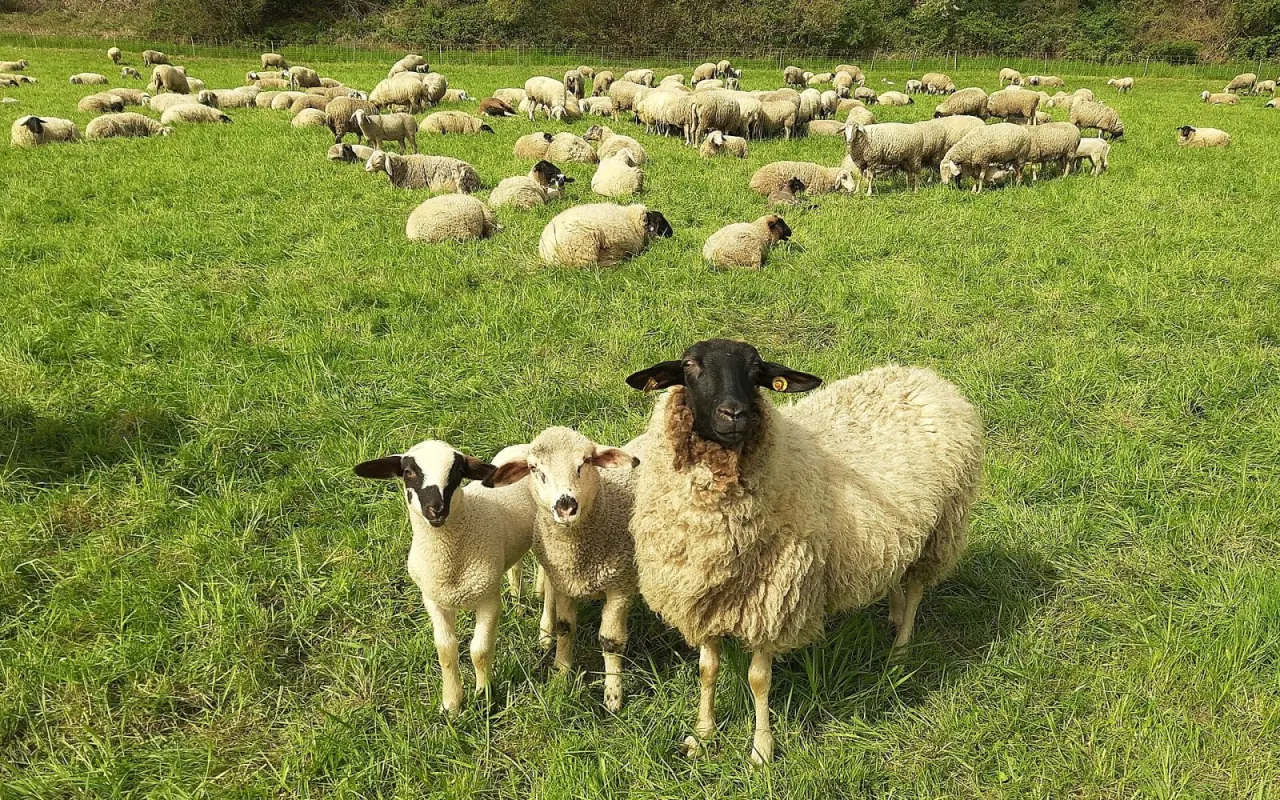
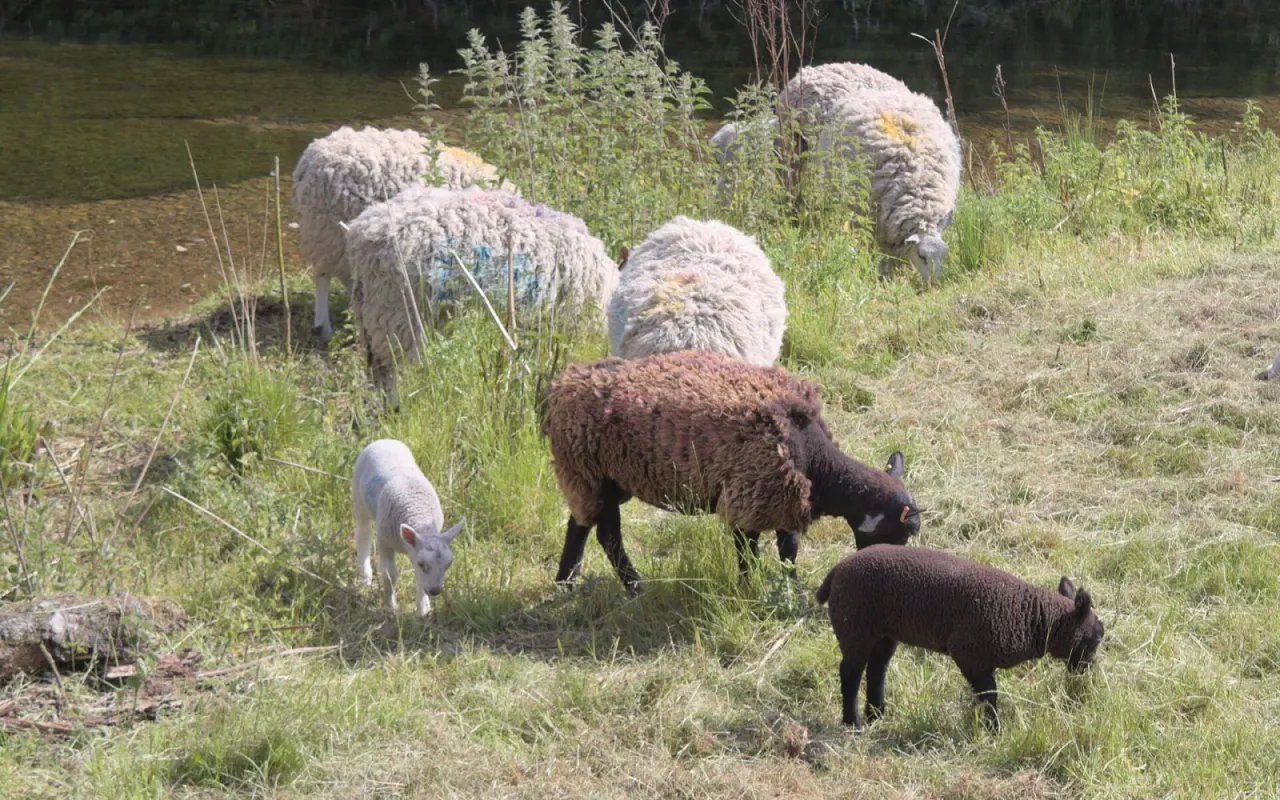
Flocks home from the high pastures: Winter grazing and lambing prep for sheep and goats
Sheep and goat flocks that spent the summer grazing in the highlands have returned to their villages. We tell the story of winter grazing, breeding season and lambing prep in photos.
Table of contents
From the southern mountains to the northern highlands, sheep and goat flocks that spent the summer on cool upland pastures have come home to their villages with the arrival of autumn. Filling village roads to the sound of their bells, the flocks have revived one of the countryside's oldest rituals. But the return also marks the start of a busy period for sheep and goat farmers. Feeding ewes during breeding season, planning winter grazing, repairing pens and preparing for lambing all happen at once. In our photo report, we gathered the days we spent with the flock of shepherd Tom Harlan from the fictional village of Pine Ridge. Follow the journey in pictures, from the trails the flock walked in the highlands to the pens back in the village. The shepherd's stories reveal the hard-working calendar of raising sheep and goats.
The long trek from the hills to the village
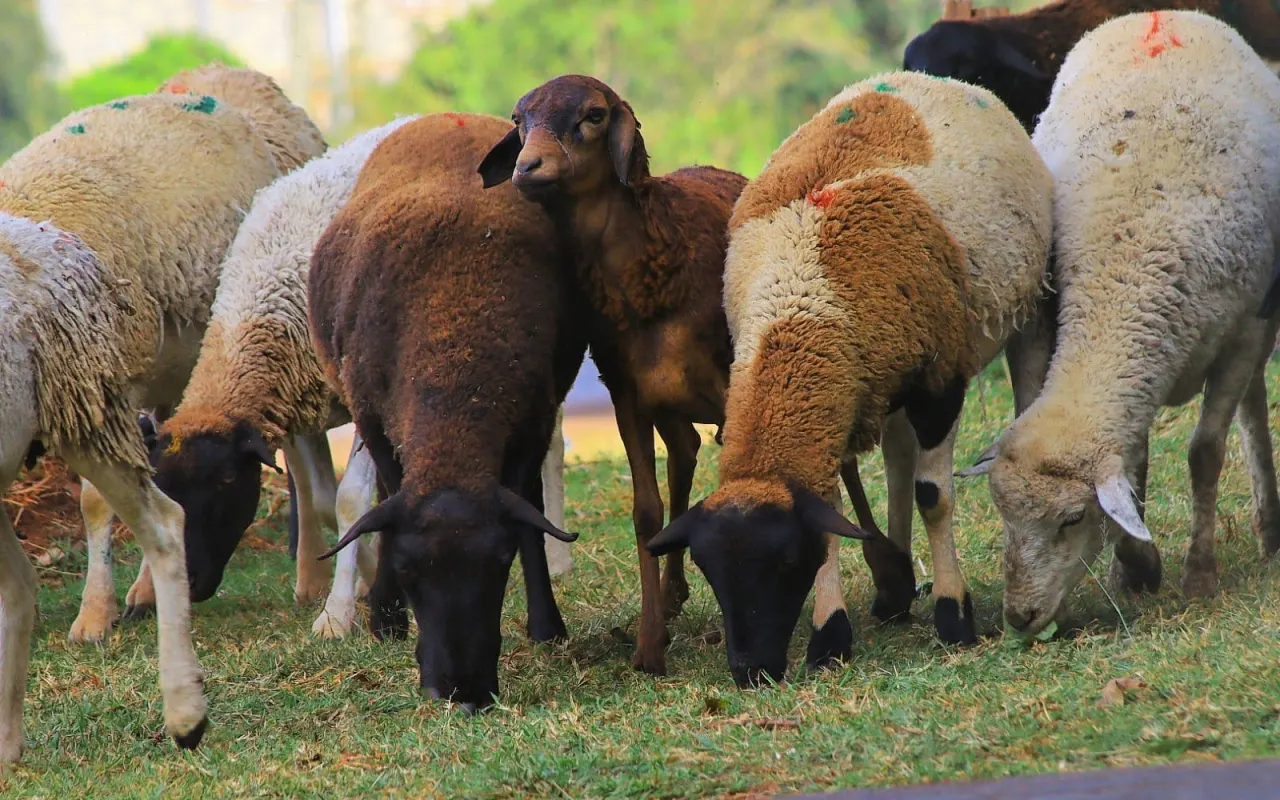
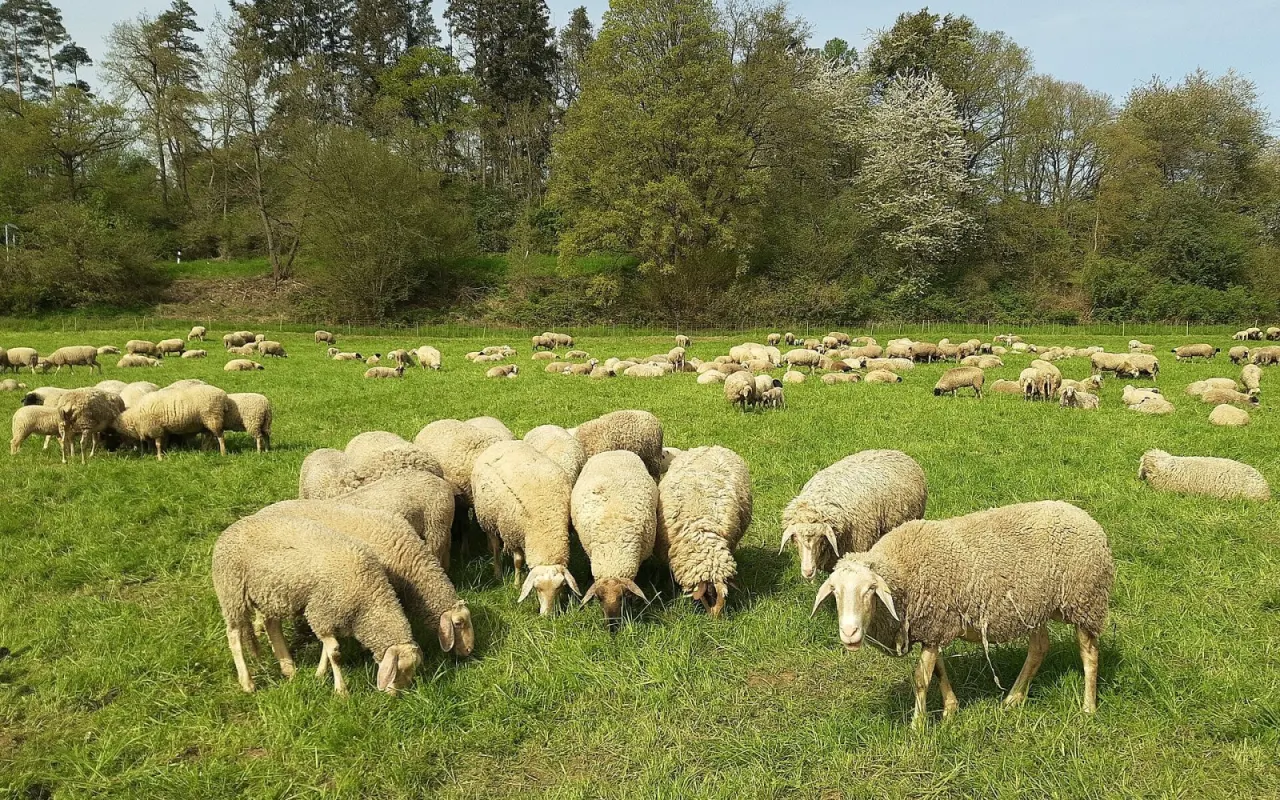
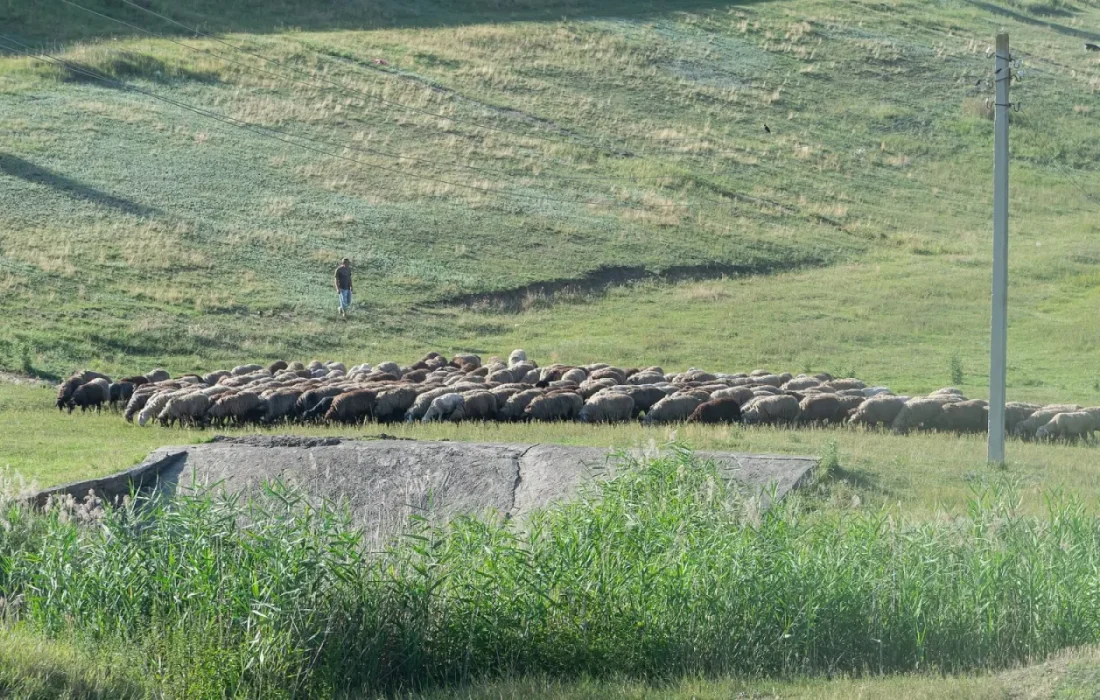
Tom Harlan's flock from the village of Pine Ridge came back down to the village at the end of October, having left for the high pastures in late May. The flock of nearly four hundred sheep and goats crossed mountain trails and creek beds over a two-day journey. Harlan says the trek to the high pastures gets a little harder every year, and some meadows where they used to camp can no longer be used. Even so, in his view, the condition the flock gains over a summer in the hills is worth every bit of the effort.
Upland pastures let sheep and goats graze through the summer in a cool environment with rich vegetation. During this time the animals gain weight and go into winter in strong condition. But the tradition of summer grazing in the hills is fading as younger generations lose interest. Harlan says the shepherds who go up with him are getting a little older every year, and finding young people to take their place is getting harder. Still, his son staying up in the hills for the first time this year has given him hope.
If the flock comes down from the hills healthy, you have already won half the winter.
Mark Ellison
Breeding season and feeding
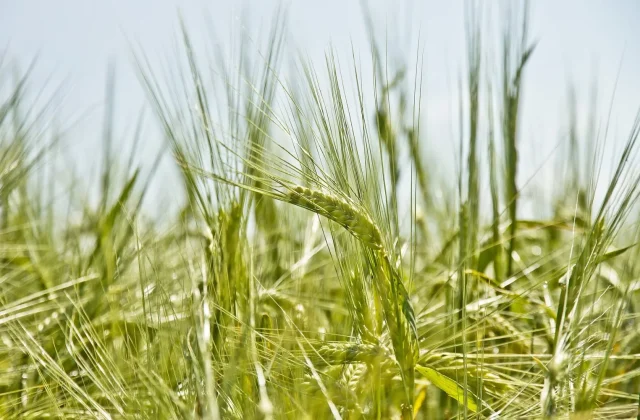
Breeding season begins once the flock is back in the village. Feeding ewes well before and during breeding has a direct effect on twinning rates and lamb health. Farmers know this practice by various folk names, but the principle is to step up energy intake in the run-up to breeding. Harlan says he supplements his flock with barley and quality hay during this period, but sets the amount each year together with a veterinarian.
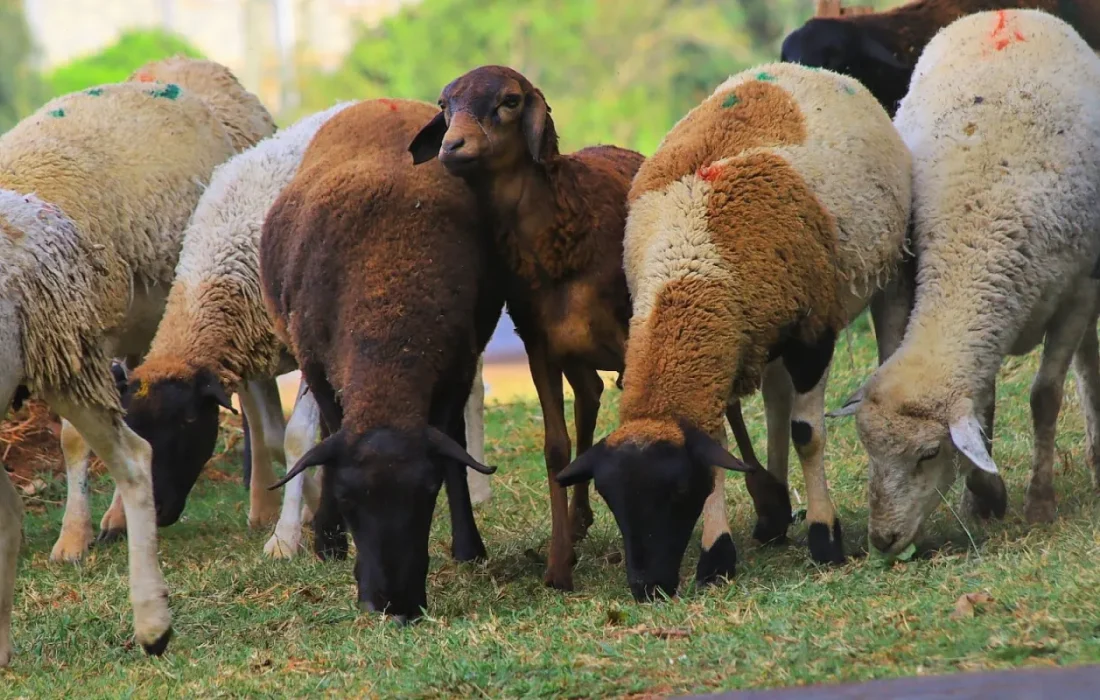
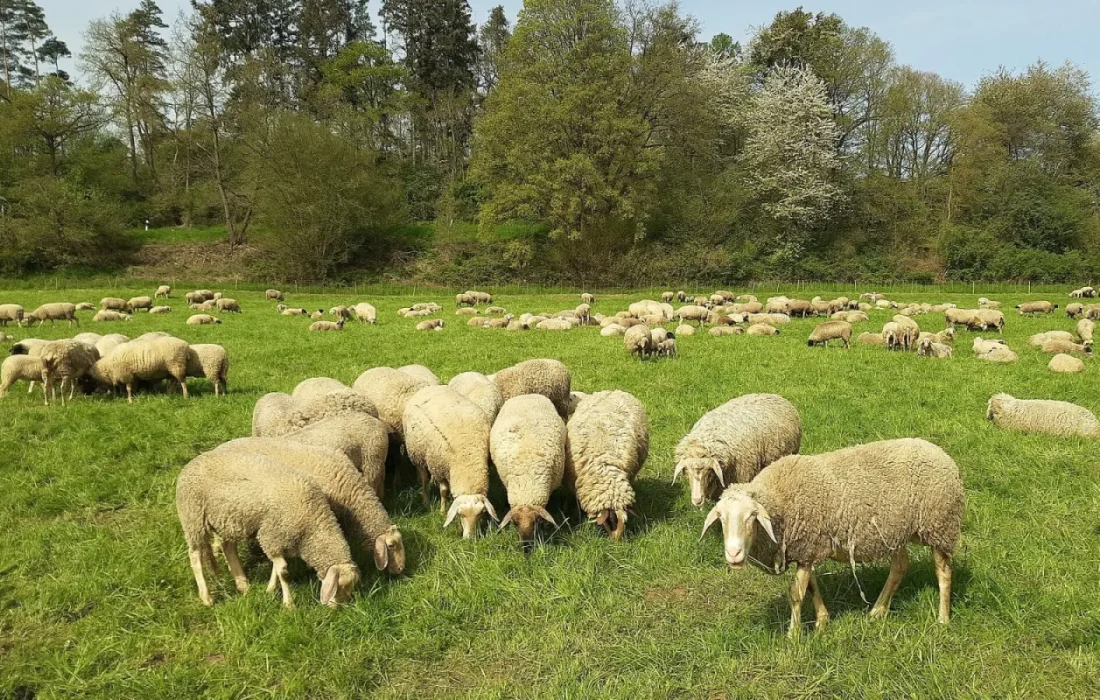
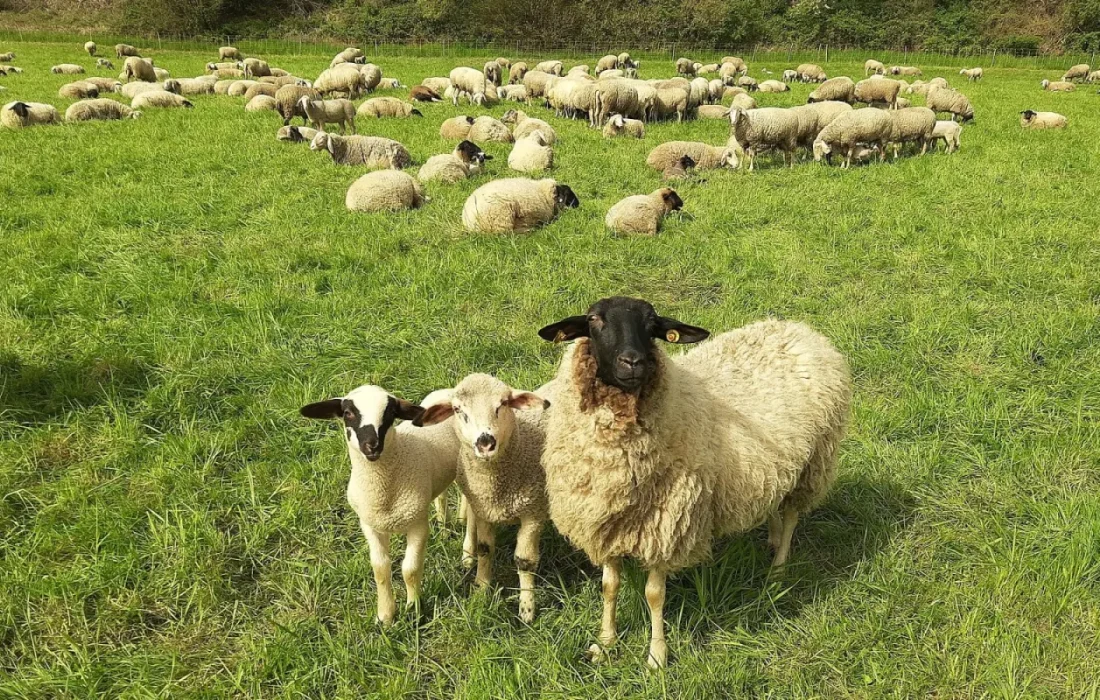
Planning winter grazing is another important job at this time of year. Avoiding overgrazing on the pastures around the village is critical to protecting vegetation for the following spring. Farmers know that dividing pastures into sections and grazing them in rotation helps the grassland regenerate. On snowy, cold days, the animals are fed forage in their pens. Flock owners have to do their sums carefully in autumn so their feed stocks last all winter. Protecting the pastures is seen as an investment in the village's shared future.
Getting ready for lambing
Lambing season, which starts toward the end of winter, is the busiest and most exciting time for sheep and goat farmers. Preparing for it means repairing pens, setting up lambing pens and laying in a full stock of bedding. Harlan stresses that keeping the pen free of cold drafts, but not stuffy, is vital for newborn lambs. Lambs getting colostrum in their first hours is the basic condition for a healthy start. During lambing season, night watches are shared among the family.
| Topic | Livestock |
|---|---|
| Highlights | sheep and goats, village life, forage crops |
| Reading time | 5 minutes |
| Written by | Mark Ellison |
Key takeaways
- Upland pastures help the flock go into winter in strong condition.
- Balanced feeding during breeding season directly affects lamb numbers.
- Pens, bedding and vaccines should be ready in good time before lambing.
During pregnancy, ewes should be checked regularly, their feed increased in the final months and their vaccination schedule kept up. Veterinarians remind farmers to always get professional help with any problems during or after lambing. In Pine Ridge, winter will pass in quiet but busy anticipation. For the Harlan family, every new lamb will be the best reward for a long summer in the hills and a winter of hard work. The village elders, meanwhile, point out that this cycle has carried on with the same patience for centuries.
What do you think about this post?
Leave a comment