





























































The cooperative model grows: Villages cutting costs with shared machinery and joint sales
The fictional Greenvale Farmers' Cooperative has cut its members' costs with a shared machinery pool and joint sales. We looked at the model's strengths and weaknesses.
Table of contents
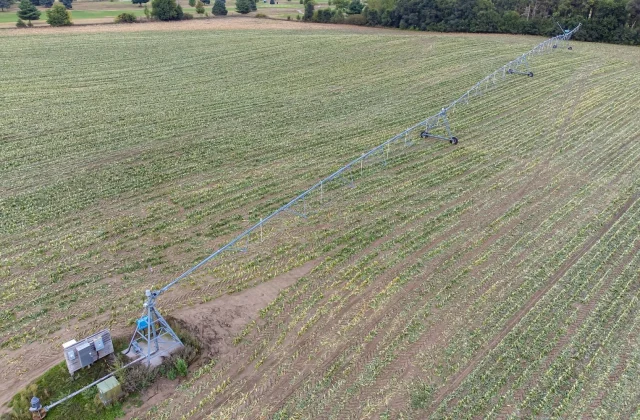
Standing alone against rising input costs is getting harder for small-scale growers. That reality is renewing interest in cooperatives across the countryside. In the western uplands, the fictional Greenvale Farmers' Cooperative, with 140 members from five villages, is one of the standout examples of this new era. The cooperative has built a machinery pool of tractors, seed drills and sprayers shared by its members; by buying fertilizer and seed in bulk, and by storing produce in a shared warehouse and selling it jointly, it has gained bargaining power. According to members, the model has lowered costs while strengthening solidarity between neighbors. We visited to see how the cooperative works and the challenges it faces.
A big partnership for small growers
The story of the Greenvale Farmers' Cooperative began with a conversation between the heads of five villages at a local coffeehouse. The villages shared an obvious problem: growers with small plots each had to buy their own tractor and equipment, paid high prices for inputs and sold their produce cheaply. The cooperative's founding chair, the fictional Adam Collins, says persuading people at the first meetings was not easy, as many growers were wary after bad experiences in the past. But the determination of a few pioneering growers won the others over in time.
From day one, the cooperative made transparency its core principle. All spending and income is shared regularly with members, and major decisions are put to a vote at the general assembly. Over time, this approach has earned members' trust. Today the cooperative has 140 members, and the share of young and women growers keeps rising. Collins stresses that the cooperative's success rests on people's trust in one another, even before machinery or warehouses. Younger members have brought a breath of fresh air to its management by setting up a digital record-keeping system.
We could not bargain on our own; once we joined forces, buyers started coming to us.
Sophie Laurent
How does a shared machinery pool work?
The cooperative's machinery pool includes several tractors, seeders, spraying equipment and a baler. Members book the machine they need in advance and pay a fee based on how long they use it. The fee is calculated to cover maintenance, insurance and depreciation. The operators who run the machines are trained cooperative staff, which ensures the machines are used with care and serviced on schedule. The cooperative also gives operators safety and maintenance training at the start of every season.
The toughest issue is when several members need the same machine at once during the peak of the season. The cooperative tries to solve this with a scheduling system based on field locations and planting calendars. Member Fiona Carr says the installments and upkeep on her own tractor used to strain her budget, but now she pays only for what she uses. In her view, this system is the most realistic way for small growers to stay afloat.
Bargaining power in joint sales
Another advantage the cooperative offers its members is bulk buying and joint selling. Buying fertilizer, seed and other inputs in bulk secures better prices than buying individually. At harvest, members' produce is collected in the cooperative's shared warehouse, graded by quality and offered for sale in large lots. This gives the cooperative more bargaining power with buyers and keeps produce from being stuck with low harvest-time prices.
| Topic | Grants and Support |
|---|---|
| Highlights | cooperatives, tractors, markets |
| Reading time | 8 minutes |
| Written by | Sophie Laurent |
Key takeaways
- A shared machinery pool frees small growers from heavy investment.
- Bulk buying and joint selling give the cooperative bargaining power.
- Transparent management and member participation are vital for long-term success.
Of course, the model is not without its challenges. Making sure payments come in on time, managing disagreements between members and building a professional management structure are issues the cooperative works on constantly. Experts stress that for cooperatives to succeed in the long run, they need trained managers, transparent accounting and active member participation. The Greenvale example shows how strong small growers can be together when those conditions are in place. Next year, the cooperative plans to grow its membership and build a second warehouse.
What do you think about this post?


Leave a comment