




























































Hazelnut markets after harvest: Stocks, quality and indicative price expectations
The hazelnut harvest is complete in the northern hills, and all eyes have turned to the market. We assess stocks, kernel yield and the indicative price picture.
Table of contents
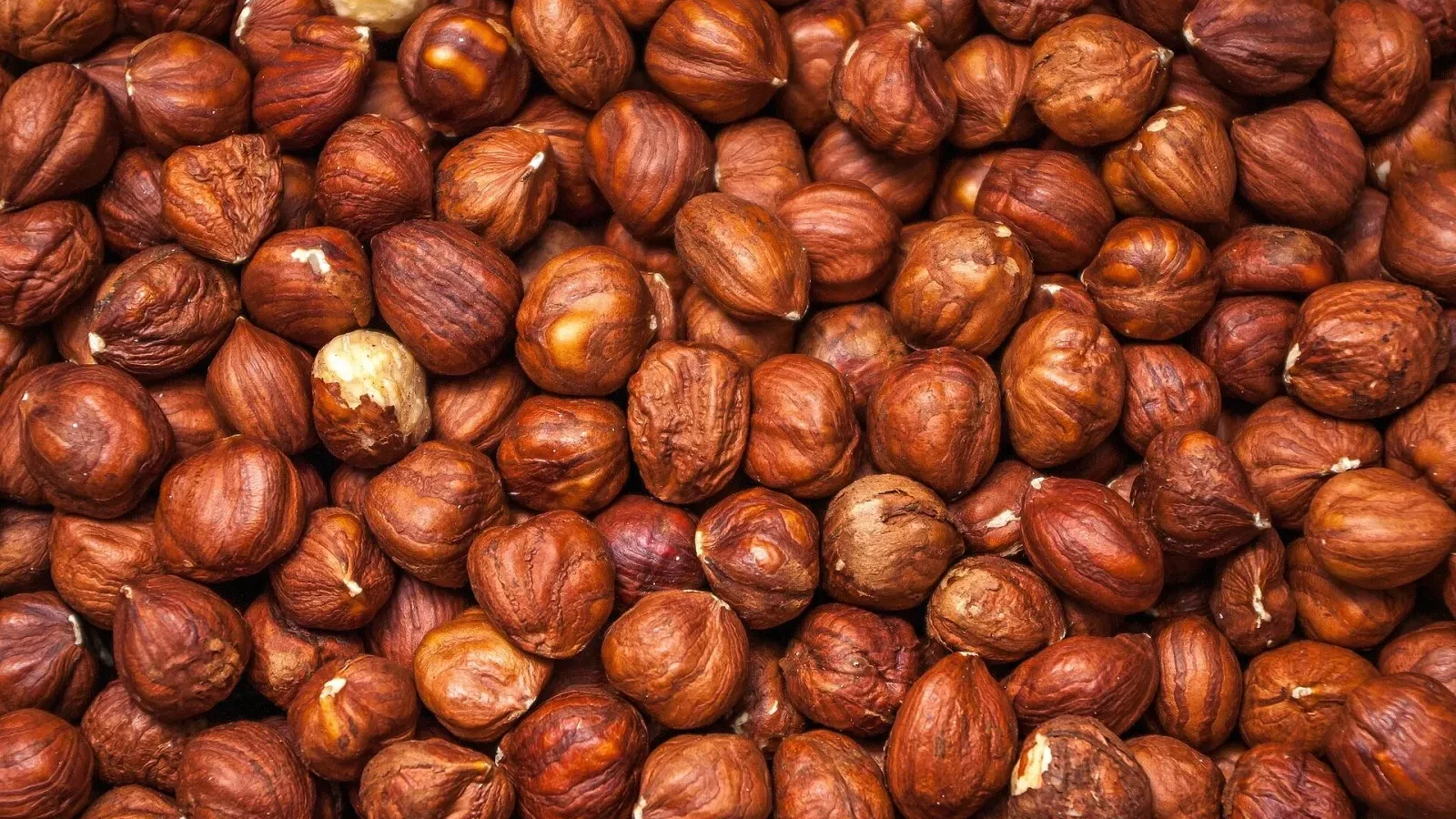
The hazelnut harvest that began in late August across the eastern and western stretches of the northern coast is complete, and the crop dried on the threshing yards has gone into sacks. Now growers have their eyes on the market. With spring frosts having only a limited impact this year, yields in many orchards were more even than last year. In indicative terms, in-shell hazelnuts are finding buyers at roughly $4.70 to $5.20 per kilogram, depending on kernel yield. Clean nuts with a high kernel yield and low moisture are fetching better prices. These figures are given to show the general trend; for current prices, follow your local exchange bulletins. After harvest, storage conditions matter at least as much as price.
Harvest done, drying yards empty
The hazelnut harvest that began in late August on the slopes of the northern coast has wrapped up after a hectic September. The nuts were dried in the sun on threshing yards, the husks were separated in threshers and cleaned, and the crop went into sacks. Largely favorable weather during this year's harvest meant drying went off without a hitch. In some areas, however, sudden downpours re-wetted crops left on the drying yards. That is why keeping a close eye on the forecast during drying is so important.
In the northern hills, the hazelnut harvest is not just a farming job but a social gathering. Family members living in the cities come home to their villages for the harvest, and neighbors take turns working in each other's orchards. But rising labor costs and the difficulty of working on steep slopes are adding to the economic burden of the harvest. Neil Porter, a grower from the fictional village of Hazel Slope, says harvest costs rise a little more every year. Even so, for many families the harvest remains the most meaningful get-together of the year.
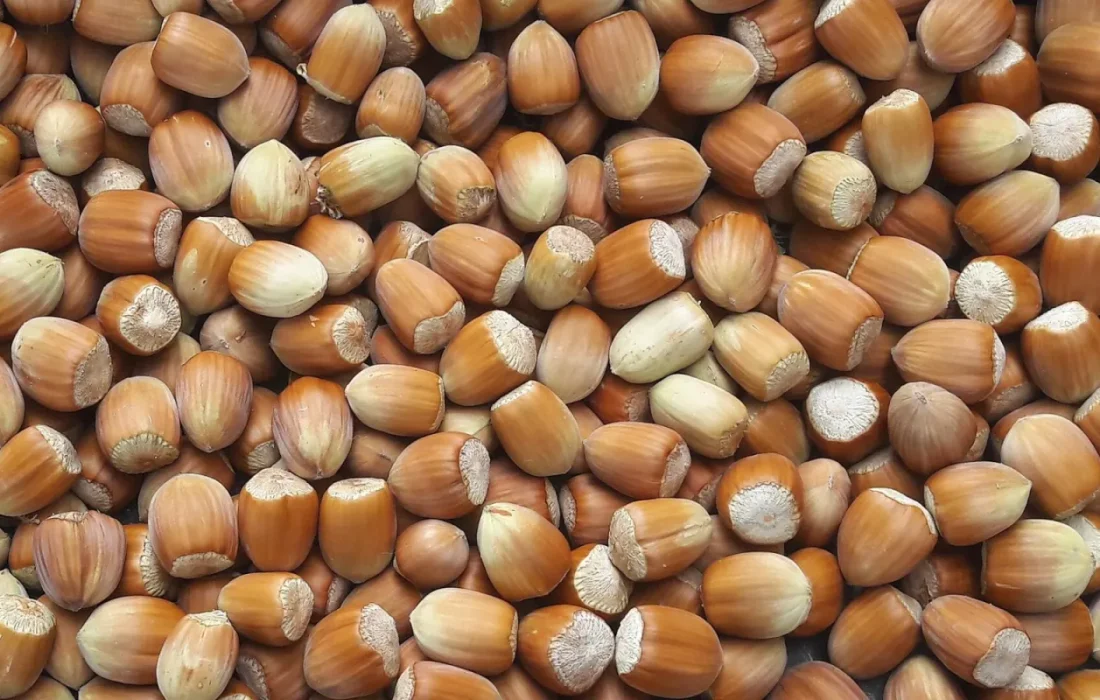
The value of a hazelnut lies not on the scale, but in its kernel yield and the care taken on the drying yard.
Sophie Laurent
Kernel yield and quality gaps
The single most important factor in hazelnut prices is kernel yield, the share of kernel obtained from in-shell nuts. Nuts with a high kernel yield give more kernel for the same weight, so buyers pay more for them. Moisture content, the amount of foreign matter and the share of rotten, empty or worm-damaged nuts also affect the price. That is why a crop that has been well dried and cleaned on the yard has a clear advantage at market.
In indicative terms, there can be a significant per-kilogram difference between a clean, high-yield lot and a low-yield one. For operations producing large volumes, that difference directly determines the season's profitability. Experts recommend that growers have a kernel yield test done before selling and negotiate based on the results. Comparing offers from different buyers is another way to secure a better price.
Sell now or wait?
After harvest, the biggest question facing growers is whether to sell right away or hold the crop. For those who choose to wait, storage conditions are critical. Hazelnuts need to be kept in a cool, dry, well-ventilated place, protected from moisture. A crop held in unsuitable conditions can mold, losing both quality and value. Licensed warehouses offer growers a safe alternative in this respect. Checking the crop regularly in storage also helps prevent losses.
| Topic | Commodity Markets |
|---|---|
| Highlights | hazelnuts, markets, harvest |
| Reading time | 6 minutes |
| Written by | Sophie Laurent |
Key takeaways
- Kernel yield, moisture and cleanliness are what set the price of hazelnuts.
- A kernel yield test before selling gives growers the upper hand in negotiations.
- Selling in stages is one way to spread the risk of price swings.
Neil Porter says he sold part of his crop right away to pay off his debts and is holding the rest in storage. In his view, selling in stages rather than all at once spreads the risk of price swings. Experts suggest a similar approach. However, the information here is general in nature and is not investment advice. Before selling, follow local exchange bulletins and assess current market conditions. You are advised to decide based on your own circumstances and seek expert advice if needed.
What do you think about this post?
Leave a comment