



















































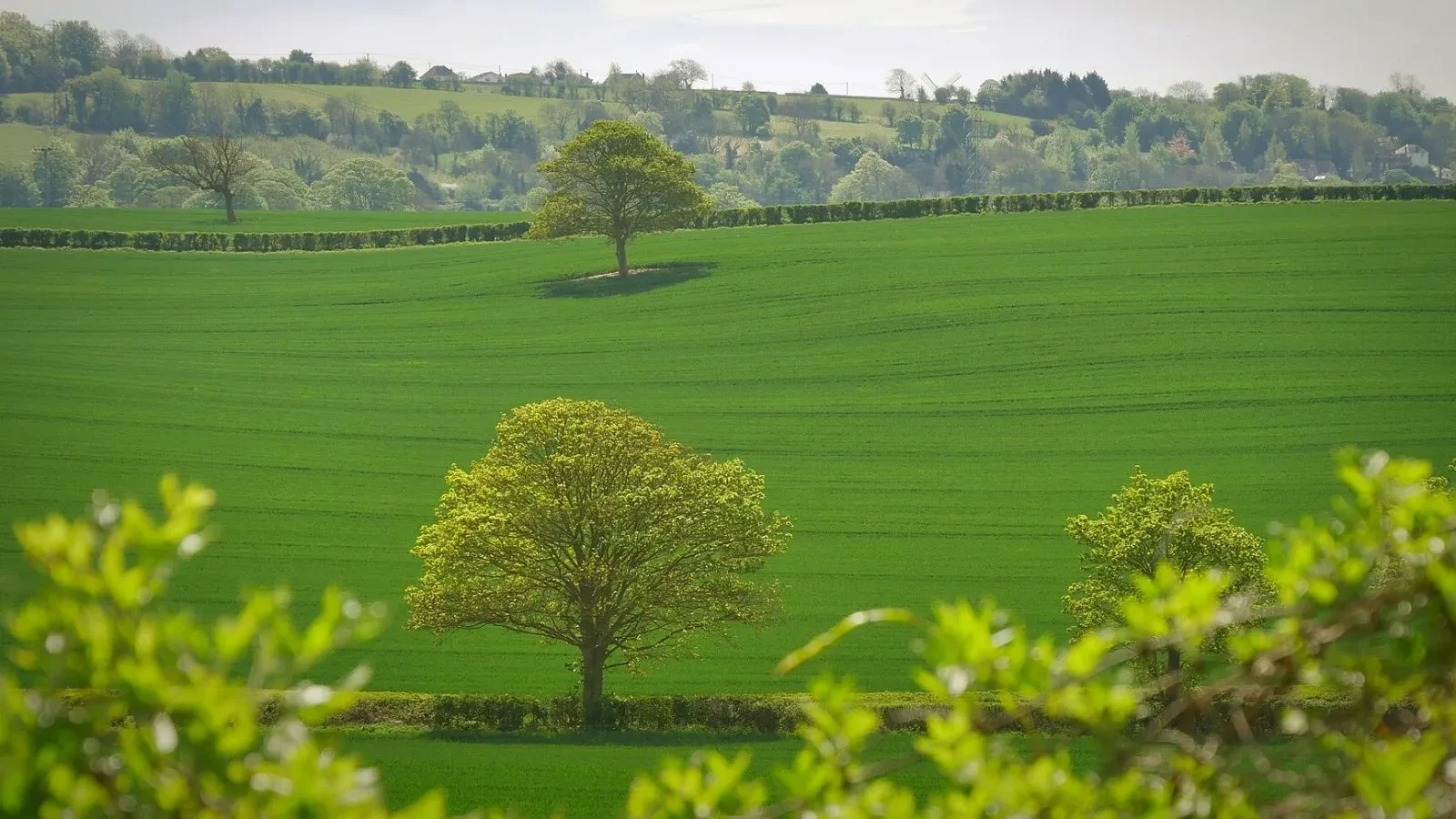
The new face of moving to the country: What do families who work remotely and plant gardens say?
More and more families are moving from the city to the countryside, working remotely while starting gardens. We heard from three of them.
Table of contents
The rise of remote work, the growing cost of city living and the wish to live closer to nature have drawn many families to villages in recent years. This new wave of migration is different from the past: some of those moving to the country spend the day at a computer and plant seedlings in the garden in the late afternoon. Software developers Dana and Kevin, who settled in a mountain village near the western coast; Anna, a teacher who restored her grandfather's house in a northern hill town; and Ben, a graphic designer who planted a small vineyard in the northwest, are just three of these stories. We spoke with these families, whose names have all been changed, and heard about the romance of rural life as well as its challenges, its unexpected surprises and what they have brought to their villages.
From city to village: The moment of decision
Dana and Kevin first started seriously talking about moving to the country when the rent on their city apartment passed half their combined salary. Both worked remotely in software, and all they needed for their jobs was a strong internet connection. They decided to restore an old stone house Kevin's grandfather had left behind in a mountain village near the western coast. Dana says the decision was not made overnight; they first tried out village life by staying there for long stretches several times.
For Anna in the northern hills, the decision came with retirement. After years of teaching in the city, she went back to the village where she spent her childhood and restored her grandfather's house. Ben in the northwest, meanwhile, was working as a graphic designer when he gradually turned a small vineyard he visited on weekends into his home. What the three stories have in common is that the decision was not made in haste but after long reflection and in small steps. All of them describe moving to the country not as an escape but as a conscious choice.
The most important thing we learned in our first year in the village was not to rush.
Mark Ellison
Year one: Getting to know the land and the neighbors
The first year in the village was when all three families learned the most. Dana and Kevin laugh as they recall making almost every mistake in the book while setting up their first garden. Seedlings planted at the wrong time, overwatered tomatoes and a house caught unprepared for winter taught them that village life runs to a very different rhythm from the city. Their biggest help came from neighbors who had lived in the village for years. Their neighbors' patient advice soon turned the garden into a productive one.
Anna says she felt like a stranger when she first came back to the village, but the friendships she built with the village elders changed everything over time. She relearned from her neighbors how to bake bread, cook down tomato paste and prepare for winter. Ben, who was completely new to growing grapes, got support from nearby winegrowers and an agronomist. All three say the most important lessons of the first year were patience, observation and investing in relationships with neighbors.
What did they bring, and what did they learn?
Families moving to the countryside bring new ideas and skills with them. Dana and Kevin set up a simple ordering system so the village's producers could sell online. As a result, the village's cheese, olive oil and dried fruit have started reaching city consumers directly. Anna runs weekend reading workshops for the village children. Ben markets the grape molasses he makes from his vineyard's grapes together with the village's other producers.
| Topic | Rural Life |
|---|---|
| Highlights | village life, orchards, cooperatives |
| Reading time | 8 minutes |
| Written by | Mark Ellison |
Key takeaways
- The decision to move to the country should come after a long trial, not in haste.
- The key lessons of year one are patience, observation and good neighbors.
- Newcomers bring the village ideas such as direct sales and workshops.
On the other hand, they have learned plenty from the village, too. Dana says the village reminded them of something they had forgotten in the city: that time flows with the seasons. Anna says she has rediscovered the value of neighborliness and solidarity. Ben notes that working the soil takes away the fatigue of hours spent in front of a screen. But all three offer the same advice to anyone thinking of moving to the country: try it first, then decide, and come not to change the village but to live alongside it.
What do you think about this post?
Leave a comment