



























































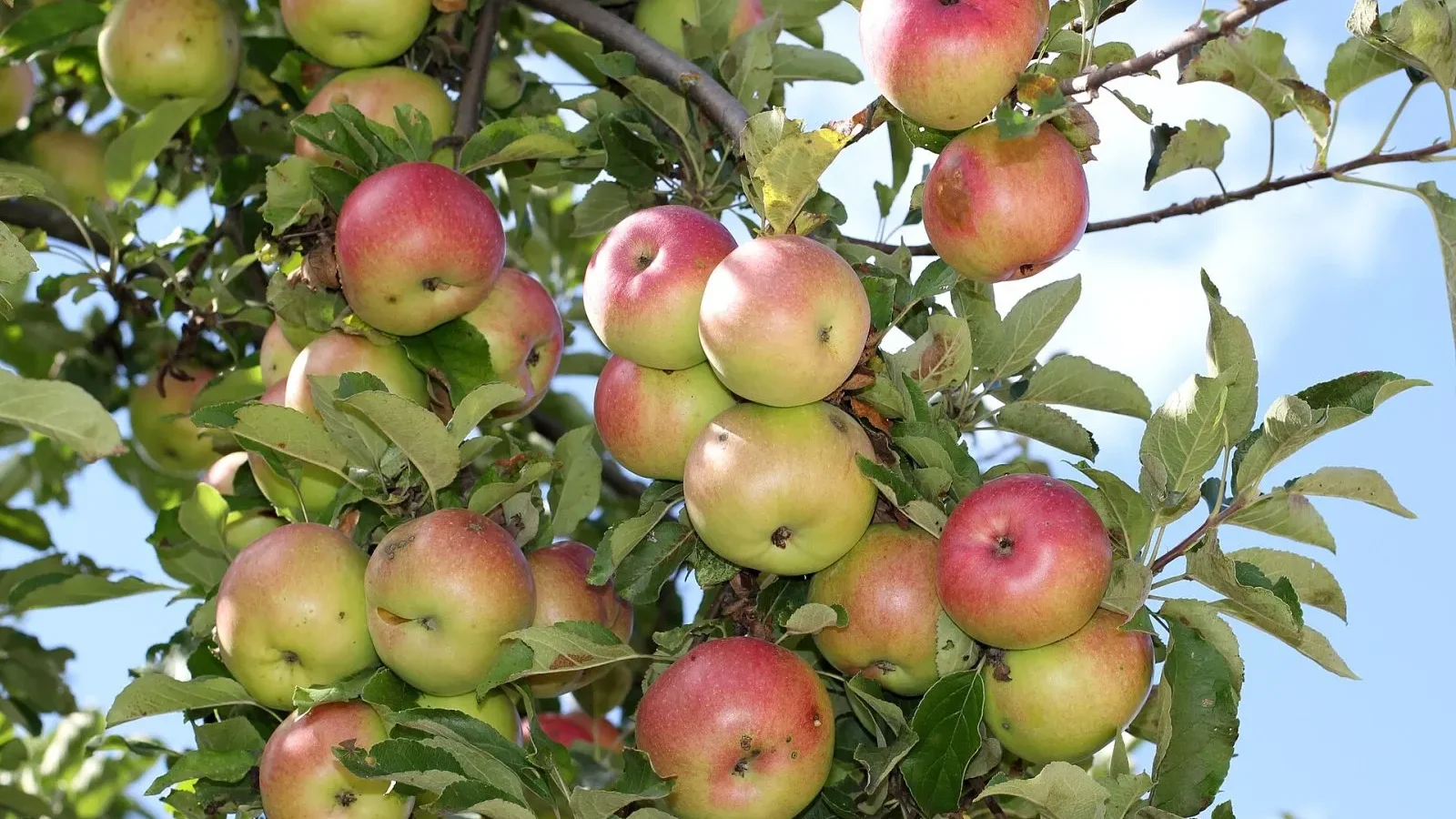
Getting the orchard ready for winter: Pruning calendar, fertilizing and disease control
Winter prep has begun in apple, pear and cherry orchards now that harvest is over. Our video guide covers the basic steps, from pruning to fertilizing.
Table of contents
From the lake-district uplands to the river valleys of the north and west, the harvest is complete in apple, pear and cherry orchards, and the trees are shedding their leaves as they prepare for dormancy. But the work is not over for orchard owners. Autumn and winter are the time for the care that decides next year's yield and fruit quality. Clearing fallen leaves and rotten fruit, fertilizing based on soil tests, trunk care and pruning at the right time stand out as the cornerstones of a healthy orchard. In our video guide, you can watch these steps being carried out in an orchard in the fictional village of Apple Creek. Agronomists recommend consulting local experts on spraying and pruning. The steps in the guide are easy to apply in small family orchards, too.
Cleaning up the orchard after leaf fall
Once the trees shed their leaves after harvest, the first job in the orchard is cleanup. Fallen leaves, rotten fruit left on the branch or on the ground and dead wood are among the places where many pathogens and pests spend the winter. Collecting this debris and removing it from the orchard, or composting it properly, reduces disease pressure the following season. Gloria Hayes, a fictional grower from the village of Apple Creek, says the whole family does this job together every year.
During cleanup, the trunks and branches of the trees are also inspected carefully. Bark cracks, wounds and signs of pests are easier to spot at this time of year. Cleaning wounds on the trunk and thick branches and sealing them with a suitable wound paste keeps disease from entering the tree. Experts note that in some regions, protecting trunks with a whitewash of lime can help prevent bark cracking caused by winter sun. It is important to consult local experts before applying it. These checks are considered the first step toward a healthy awakening in spring.
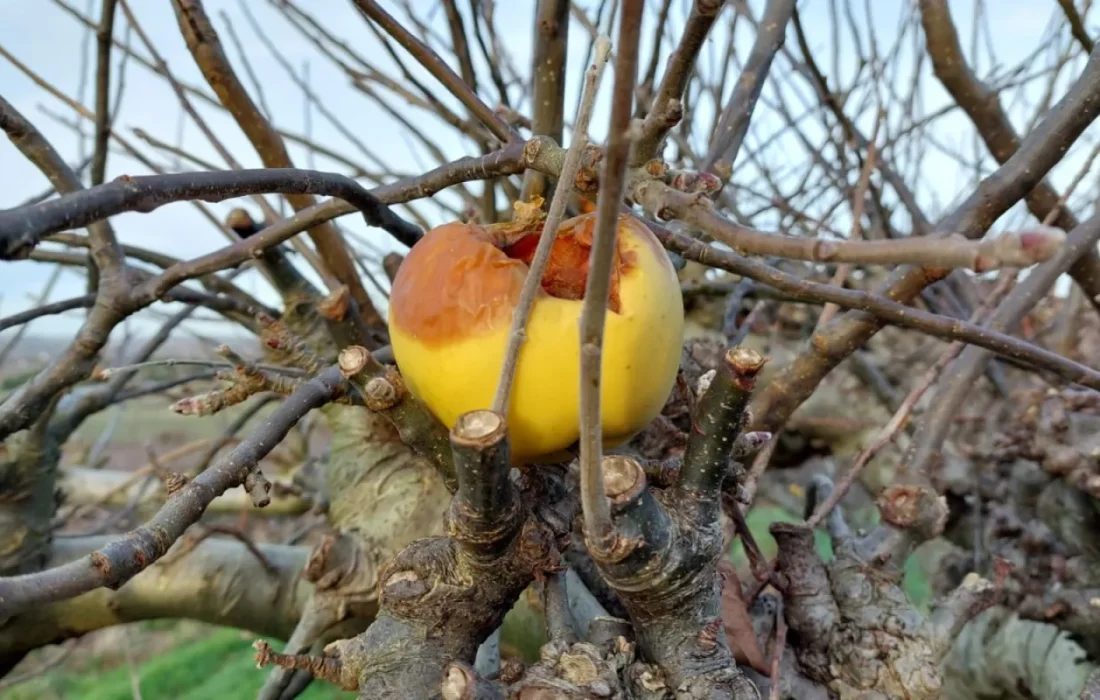
The work you put into the orchard in winter comes back as fruit on the branch in summer.
Sarah Bennett
The right time to prune
Winter pruning of fruit trees is done once the trees are fully dormant, in the period between the end of leaf fall and bud break in spring. However, pruning should be avoided on days of hard frost, because frozen tissue is easily damaged. Many experts recommend pruning toward the end of winter, once the harshest days have passed, especially in cold regions. The right timing can vary by species and region. Planning around the local last-frost dates is seen as the safest approach.
The aim of pruning is to shape the tree's canopy, let light and air into the center and encourage productive branches. Dead, diseased and rubbing branches are removed first. In species such as apples and pears, recognizing fruiting wood is critical for pruning correctly. Gloria Hayes reminds growers that pruning shears should be disinfected after every tree, or diseases can spread from one tree to the next. Over-pruning, on the other hand, can stress the tree and reduce yield.
Winter fertilizing and protective measures
Autumn and winter are a good time to apply organic fertilizer in the orchard. Well-rotted manure or compost is spread under the tree's drip line and worked into the soil. With winter rains, it soaks into the soil and supplies the nutrients the trees need in spring. But experts stress that the type and amount of fertilizer must always be based on soil tests, and that fertilizing at random means both waste and harm to the soil.
| Topic | Orchards and Fruit |
|---|---|
| Highlights | orchards, soil, harvest |
| Reading time | 6 minutes |
| Written by | Sarah Bennett |
Key takeaways
- Clearing fallen leaves and rotten fruit reduces disease pressure.
- Prune in winter while trees are dormant, avoiding days of hard frost.
- Fertilizing and spraying decisions should rest on soil tests and expert advice.
Protective measures taken over winter are also important for orchard health. In some regions, dormant-season sprays can help reduce overwintering pests and pathogens. But which product to use, when and at what rate must always be decided with an agronomist. Protecting young trees from rodents and frost should not be forgotten either. Gloria Hayes says the care you give the orchard in winter comes back as fruit in summer. In her view, the only way to see a return on your work is to keep a close eye on the orchard in every season.
What do you think about this post?
Leave a comment