
































Audio interview: Three generations of a farming family talk land, water and the future
Grandfather, father and granddaughter at one table: Listen to our audio interview with a family that has worked the land for three generations.
Table of contents
The fictional Whitfield family has worked the same land on the southern delta plain for more than seventy years. Eighty-four-year-old Grandpa Michael remembers the years he plowed the field with oxen, while his son Alan recalls the era when tractors and chemical fertilizer arrived on the farm. Granddaughter Ellie, meanwhile, came back to the village after earning a degree in agricultural engineering and is now testing sensor-based irrigation on the family land. In our audio interview, we brought all three generations to the same table to talk about the changing climate, dwindling water, rising costs and their hopes for the future of farming. Their different perspectives sometimes turned into friendly debate, but what they all shared was a deep attachment to the land.
Grandfather's field: The wooden plow and patience
At the start of our interview, Grandpa Michael describes the fields of his childhood. Back then, fields were plowed with oxen and a wooden plow, wheat was cut with a sickle and threshed with a threshing sledge. Plowing a single acre took a whole day. Grandpa Michael says the work was very hard in those days, but people were closer to one another. He smiles as he remembers how the whole village came together at harvest time, everyone pitching in on each other's fields. He adds that he still knows by heart the folk songs they sang on the threshing floor.
For Grandpa Michael, the most important lesson of those years was patience. He learned from his father that the land cannot be rushed and that every job must be done in its own time. If the rain did not come, the village prayed; if the harvest was small, people made do. He says everything has sped up in today's world, but the land still asks for the same patience. He watches with curiosity as his grandchildren farm with technology, though he never fails to add that they must not forget their respect for the land. His words became a touchstone the other generations returned to again and again throughout the interview.
The land was here before us and will be here after us; our job is to pass it on without wearing it out.
Ethan Brooks
Father's generation: Machines and debt
Alan's generation witnessed a huge transformation in farming. The arrival of tractors in the village and the spread of chemical fertilizers and hybrid seed boosted yields in a short time. Alan says he remembers the day they bought their first tractor like a holiday. But he admits that the transformation brought new problems with it. Machinery debt, rising input costs and price swings at market became his generation's biggest worries. Even so, he acknowledges that machines lightened the workload and improved the family's living conditions.
Alan says that in the years when water was plentiful, they flood-irrigated the fields and no one imagined water would one day run short. Today he sees wells getting deeper and irrigation costs rising every year. He believes they are now paying the price for some mistakes made in the past. Still, he has never considered giving up farming. To him, however hard it gets, the land is the family's most precious inheritance and a trust that must be protected and passed on to future generations.
The granddaughter's dream: Data and cooperatives
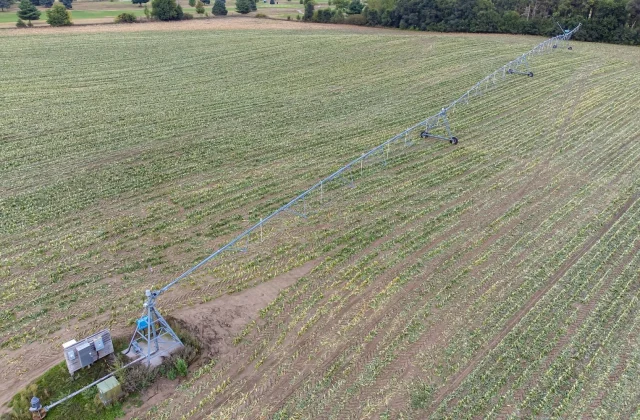
After finishing her degree in agricultural engineering, Ellie chose to come back to the village despite job offers in the city. She runs sensor-based irrigation trials on part of the family land, measuring soil moisture to decide when to irrigate. She says the first results are promising, with noticeable savings in water use. She laughs as she adds that her father was skeptical of these innovations at first but came around as he saw the results. They may argue from time to time, but she knows they are working toward the same goal.
| Topic | Rural Life |
|---|---|
| Highlights | village life, irrigation, harvest |
| Reading time | 4 minutes |
| Written by | Ethan Brooks |
Key takeaways
- The grandfather's generation defines farming by patience and community work.
- The father's generation lived through both the gains and costs of mechanization.
- The granddaughter's generation sees data and cooperatives as the key to the future.
Ellie's biggest dream is to set up a cooperative with the village's young growers. She believes small growers can be stronger through shared machinery, joint sales and knowledge sharing. She thinks combining her grandfather's patience, her father's hard work and her own generation's knack for technology is the best way forward for the future of farming. By the end of the interview, all three generations meet on common ground: farming without wearing out the land, protecting water and working together. In the full audio interview, you can listen to this heartfelt conversation around the family table.
What do you think about this post?
Leave a comment