




















































What to look for when choosing a tractor: Power, fuel consumption and the used market
A tractor is one of the biggest investments a farm makes. We list what to watch for, from choosing the right horsepower to inspecting a used machine.
Table of contents
For a farm, a tractor is not just a machine but an investment that spans many years. That is why looking only at the price tag can lead to serious costs down the road. The size of the land, soil type, the crops grown and the implements to be used determine the engine power and equipment you need. Fuel consumption, distance to the service network and parts availability also directly affect the total cost. On the used market, a careful inspection, from engine hours to the condition of the transmission, is a must. Our guide walks through choosing a tractor step by step; we recommend consulting a trusted mechanic before you buy.
The right horsepower for your operation
The first step in choosing a tractor is pinning down what the operation actually needs. The size of the land, soil type, the crops grown and the implements the tractor will run are the key factors that determine the engine power required. A farm doing deep tillage on heavy soils and one spraying an orchard have very different needs. An overpowered tractor means unnecessary fuel and investment costs, while too little power leads to inefficiency and premature wear.
Owen Hart, an agronomist with the fictional Clearwater Farm Advisory, recommends that growers first map out a year-long work calendar. Once it is clear which jobs will be done with which implements, how much power those implements need and how many hours a year the tractor will run, making the right decision becomes easier. Narrow orchard tractors, four-wheel-drive models and equipment such as front loaders should also be considered as needed. Hart also advises factoring in future growth plans.
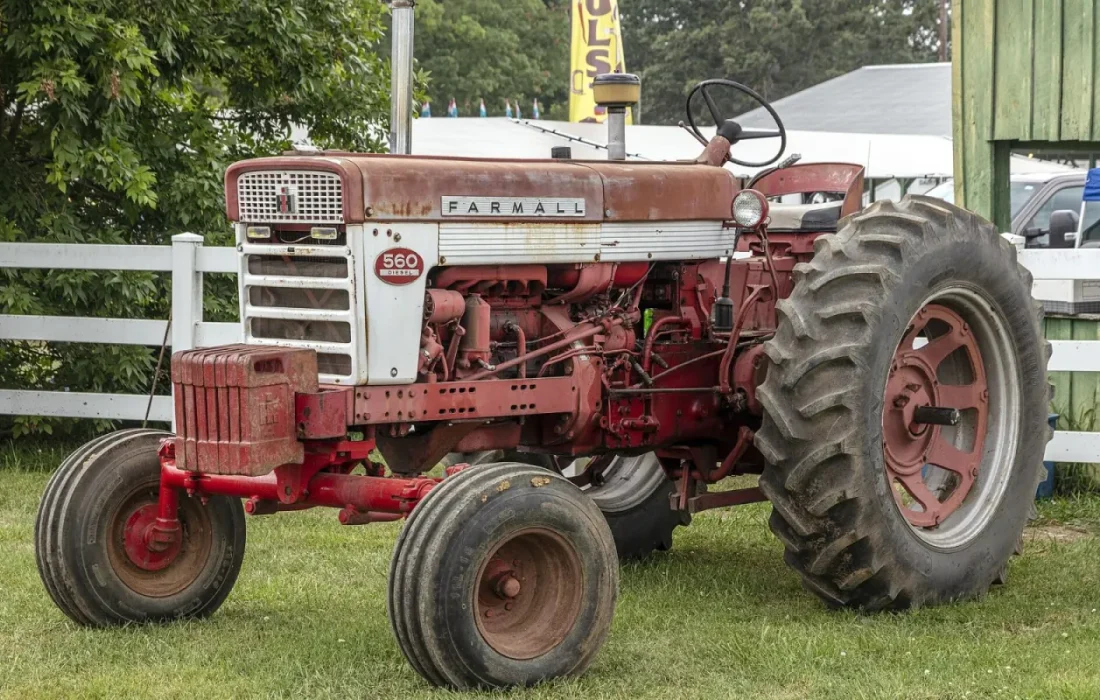
The most expensive tractor is the one that does not fit your farm.
Jake Morales
Fuel, service and spare parts
Fuel consumption is one of the biggest operating costs over a tractor's working life. Comparing the fuel efficiency of different models can therefore save a lot in the long run. But fuel consumption depends not only on the engine's specifications but also on how the tractor is driven and maintained. Working in the right gear and at the right engine speed, keeping tire pressure correct and setting implements up properly can markedly reduce fuel use. Regular maintenance and correct operation also extend engine life.
The service network and access to spare parts matter as much as price. Waiting weeks for a part for a tractor that breaks down at the peak of the season can lead to serious crop losses. Owen Hart stresses that before buying a tractor, it is essential to research the brand's local service points, parts inventory and the experience of its service staff. Warranty terms and scheduled maintenance costs should also be checked before buying. After-sales support is one of the things that determines a tractor's value in the long run.
Inspection checklist for a used tractor
A used tractor is a more affordable option for many small farms. But without a careful inspection, a good price on a used machine can quickly turn into costly repairs. Engine hours, how the engine behaves on a cold start, the color of the exhaust smoke and oil leaks are the first things to check. The transmission, clutch and hydraulics should always be tested to make sure they work properly. Listen carefully for unusual noises from the front and rear axles, too.
| Topic | Farm Machinery |
|---|---|
| Highlights | tractors, cooperatives, soil |
| Reading time | 7 minutes |
| Written by | Jake Morales |
Key takeaways
- Choose engine power according to the farm's work calendar and implements.
- Fuel efficiency, service network and parts determine the total cost.
- Buy a used tractor with a trusted mechanic, after testing it in the field.
Tire condition, play in the front end and the working of the PTO should also be on the inspection list. If there are records showing the tractor's service history, look them over; a well-maintained tractor can be a better choice than one with fewer hours that has been neglected. Owen Hart recommends always taking a trusted mechanic along when buying a used tractor and testing it while it works in the field. Make sure the registration and paperwork are complete, too.
What do you think about this post?
Leave a comment