


























































The fictional Ray Holloway, who has harvested grapes for fifty years, on winegrowing, patience and the land.
Vine grower Ray Holloway: “A vine left unpruned bears no fruit, and land never rested brings no bounty”
The fictional Ray Holloway, who has harvested grapes for fifty years, on winegrowing, patience and the land.
Table of contents
Ray Holloway has been growing grapes for more than fifty years in the fictional village of Vinehill in the western valleys, and he is known as the person in the village who best understands the language of the vine. Walking among vineyards gone quiet after the grape harvest, he explains that every vine has a story of its own. To him, winegrowing is not just about raising grapes but about learning patience and balance. In vineyards getting ready for winter pruning, we listened to the observations he has gathered over the years, his respect for the land and his advice for the young. Ray's words sum up the knowledge of winegrowing passed down from generation to generation and a rural philosophy of life woven with patience. In an age used to hurrying, they remind us of the value of slowness and capture, in plain words, the essence of our bond with the land.
A fifty-year-old vineyard
Ray Holloway started out in the vineyard at the age of twelve, hoeing around the vines beside his father. Over a journey of more than fifty years, the vineyard has become not just a livelihood for him but a way of life. He says some of the vines in his Vinehill vineyard were planted by his grandfather and each one has its own story. With a smile, he says some vines are generous every year while others play hard to get. In his view, getting to know a vine takes as long as getting to know a person.
Over the years, Ray has seen winegrowing change a great deal. New varieties, new irrigation methods and machinery have arrived in the vineyards. But in his view, the vine's basic needs have never changed: sun, balanced water, healthy soil and pruning at the right time. He adds that the climate has changed noticeably in recent years, with milder winters and hotter summers. He believes this change is making winegrowing harder, but that the vine can adapt with patience. He says he jots down his observations on the subject in a small notebook every year.
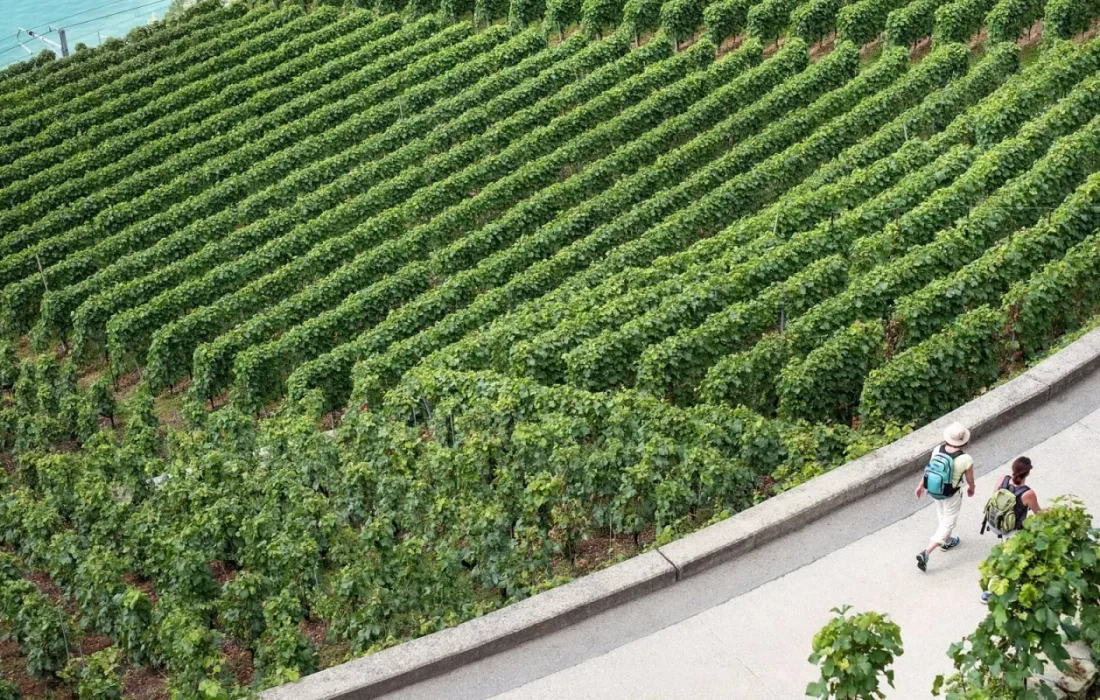
A vine left unpruned bears no fruit, and land never rested brings no bounty.
Emily Carter
The philosophy of pruning
For Ray, pruning is the most important art in winegrowing. If a vine is not pruned, the canes grow every which way, the bunches get smaller and grape quality drops. Proper pruning, on the other hand, distributes the vine's energy evenly and protects the yield of this year and the years to come. He stresses that pruning should be done in winter, when the vine is fully dormant, avoiding days of hard frost. He adds that the number of buds to leave varies with the vigor of each vine.
Ray's philosophy of pruning really sums up his outlook on life. He believes there can be no bounty without cutting away the excess and protecting the essentials. The land also needs rest, he says; soil pushed hard every year loses its fertility over time. That is why he sows forage crops between the rows, feeds the soil with well-rotted manure and avoids excessive tillage. In his view, respecting the land is the only way to leave it healthy for future generations. He adds that the grasses growing between the rows are also a cover that protects the soil.
Advice for the young
Ray worries about young people's fading interest in winegrowing. But he says a few young people who have moved back to the village in recent years and taken up winegrowing have given him hope. His first piece of advice to them is not to rush. He stresses that it takes years for a vineyard to be established and become productive, and patience is needed along the way. His second piece of advice is to learn from experienced growers and combine what they read in books with what they observe in the field. Some of the young people who have returned to the vines in Vinehill in recent years regularly attend his pruning lessons.
| Topic | Orchards and Fruit |
|---|---|
| Highlights | orchards, soil, village life |
| Reading time | 3 minutes |
| Written by | Emily Carter |
Key takeaways
- For Ray, getting to know a vine takes as long as getting to know a person.
- Pruning at the right time protects a vine's yield for years to come.
- His advice to the young: don't rush, learn from the masters and listen to the land.
Ray's last piece of advice to the young is to listen to the land. To him, every vineyard and every soil has a language of its own, and learning it takes years. He welcomes the innovations technology has brought to winegrowing, but believes no tool can replace a grower's eye and intuition. At the end of our interview, the words he spoke while walking among his vines felt like a summary of fifty years of experience: a vine left unpruned bears no fruit, and land never rested brings no bounty.
What do you think about this post?
Leave a comment