







































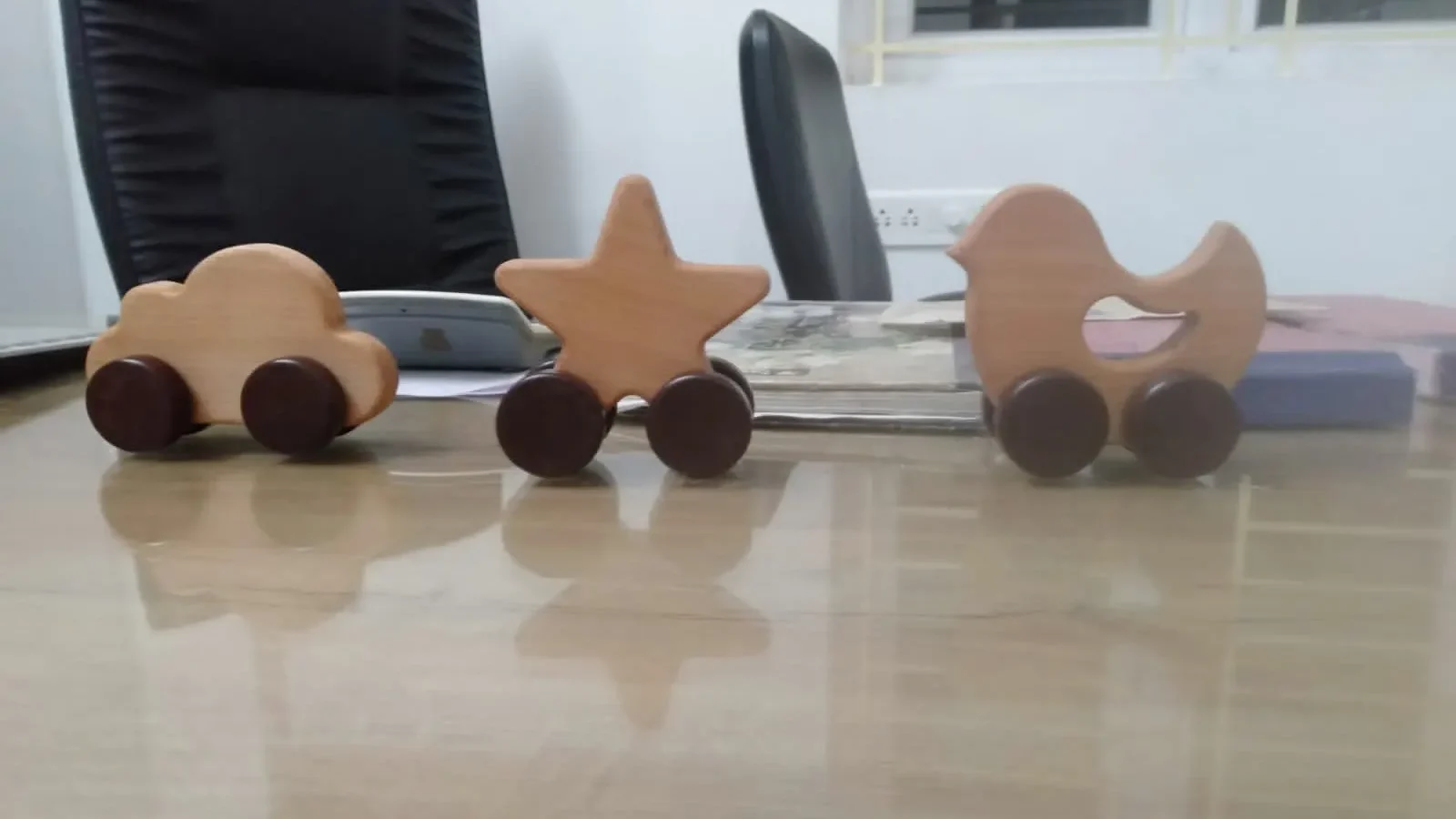
A toy guide by age: wooden, open-ended and safe picks for ages 0-6
To make choosing toys easier ahead of holiday shopping, our video walks through safe, open-ended toy picks for each age group.
Table of contents
As the holidays approach, toy store shelves fill up with products that light up, make noise and need batteries, yet experts say the toys children play with longest are often the simplest ones. Wooden blocks, nesting cups, cloth dolls and basic building sets can turn into something new every day, depending on a child's imagination. In our video, product safety consultant Oliver Young and preschool teacher Lucy Arden share toy picks for children from birth to age six by age group, explain how open-ended play supports development and point out the safety labels you should always check before buying.
What is an open-ended toy?
Preschool teacher Lucy Arden defines open-ended toys as toys with no single right way to use them, which can become something different every time depending on a child's imagination. Wooden blocks can be a tower one day and a bridge or a zoo the next. Scraps of fabric turn into a cape, a tent or a picnic blanket. Unlike toys that make the same sound every time you press a button, these toys put the child in the director's chair.
Arden notes that open-ended toys have a positive effect on problem-solving, creativity, fine motor skills and language development. Because siblings or friends can play with them together, they also support cooperation and sharing. This doesn't mean battery-powered or noisy toys should be banned altogether, but making up most of the toy box with simple, versatile toys helps children play longer and more deeply.
A good toy does ten percent of the playing; the child does the other ninety.
Ethan Brooks
Picks by age group
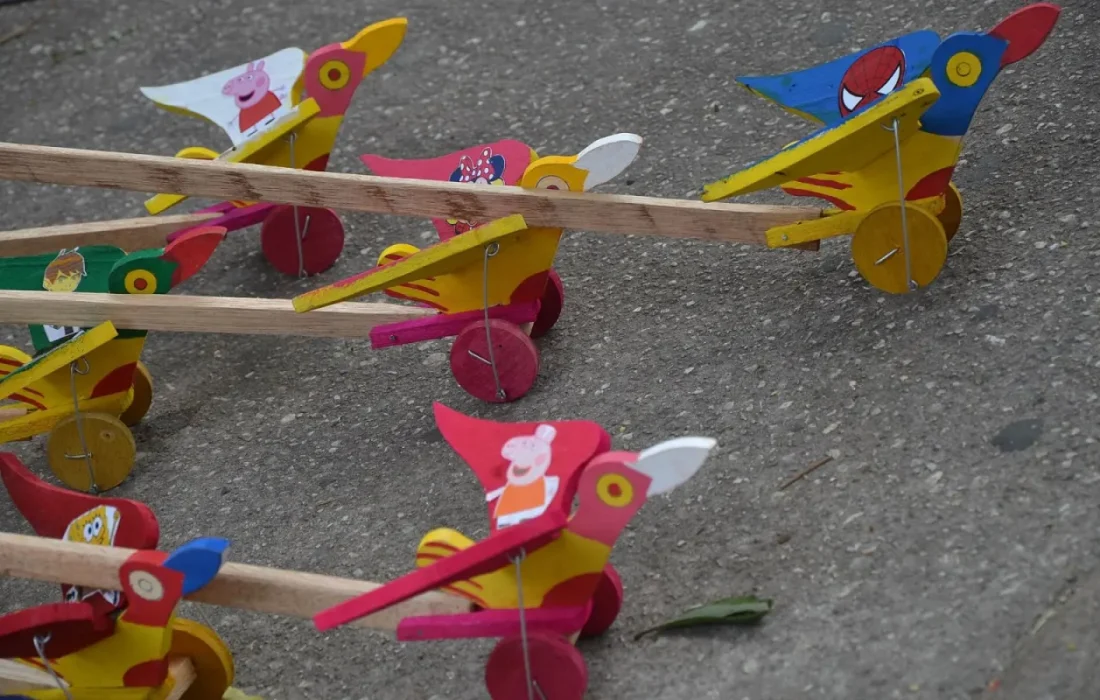
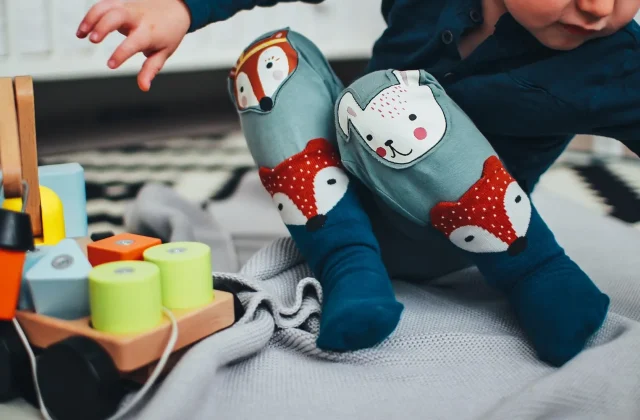
For babies from birth to age one, high-contrast cloth books, easy-to-grasp rattles, teethers and soft nesting cups stand out. Between ages one and three, push-and-pull toys, chunky puzzles, shape sorters and large wooden blocks meet children's need to move and explore. Arden stresses that at this age, the variety and safety of toys matter more than how many there are.
For children ages three to six, pretend-play props such as toy kitchen sets, doctor's kits and costumes support social and emotional development. Building sets, puzzles with smaller pieces, simple board games and art supplies are also favorites at this stage. Arden says observing your child's interests and asking them when choosing a toy gives far better results than buying the most expensive or most popular one.
Safety labels and small-parts checks
Product safety consultant Oliver Young notes that the first things to check when buying a toy are the age warning on the packaging and the safety label. Toys with small parts pose a choking risk for children under three. Young also suggests a simple test at home: any part that can pass through a toilet paper tube may be a hazard for young children. That's why older siblings' toys also need to be stored out of reach of the little ones.
| Topic | Product Guide |
|---|---|
| Highlights | toys, safety, play |
| Reading time | 7 minutes |
| Written by | Ethan Brooks |
Key takeaways
- Open-ended toys put children in the director's chair and hold their interest longer.
- When choosing toys, consider your child's age, interests and developmental needs over popularity.
- Never skip checking age warnings, small parts, button batteries and magnets.
Young reminds parents to pay special attention to toys containing button batteries and strong magnets, making sure battery compartments are screwed shut and secure, as swallowing these parts can have serious consequences. Wooden toys should have no splinters or sharp edges, and the paint should be labeled as child-safe. Long strings and cords also shouldn't be part of young children's toys because of the strangulation risk. Checking toys regularly and setting aside broken ones is also part of safety.
What do you think about this post?
Leave a comment