



























































Dental health for kids: building a brushing habit from the first baby tooth to school age
From the first baby tooth to school age, we talked with pediatric dentist Sam Bailey about ways to turn brushing into an enjoyable routine.
Table of contents
When baby teeth are brushed off as unimportant because they'll fall out anyway, the tooth decay that is so common in childhood can lead to pain as well as problems that affect the development of permanent teeth. Pediatric dentist Sam Bailey says oral care begins before the first tooth even appears and that a brushing habit can be built early, with patience and play. In this article, we look at the role baby teeth play in speech, eating and jaw development, little games that stop brushing from being a nightly battle and tips to make a child's first visit to the dentist worry-free. Ask your dentist about which toothpaste to use and how much.
Why do baby teeth matter?
Pediatric dentist Sam Bailey reminds us that baby teeth aren't just temporary teeth; they play important roles in a child's overall health and development. Baby teeth allow children to chew food, pronounce sounds correctly and develop healthy jawbones. They also act as placeholders for the permanent teeth that will come in beneath them. Baby teeth that are lost early or badly decayed can affect how the permanent teeth line up.
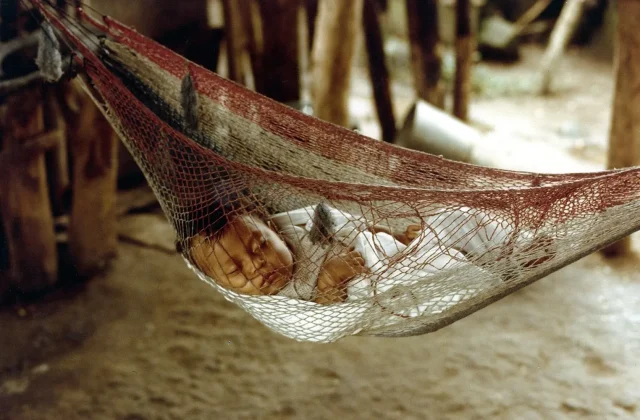
Bailey says oral care can begin before the first tooth appears. Gently wiping a baby's gums with a clean, damp cloth helps keep the mouth clean and gets the baby used to oral care. Once the first tooth comes in, you can switch to cleaning with a small, soft-bristled brush designed for babies. It's also worth keeping in mind that putting a baby to sleep with a bottle of milk or a sugary drink at night can increase the risk of tooth decay.

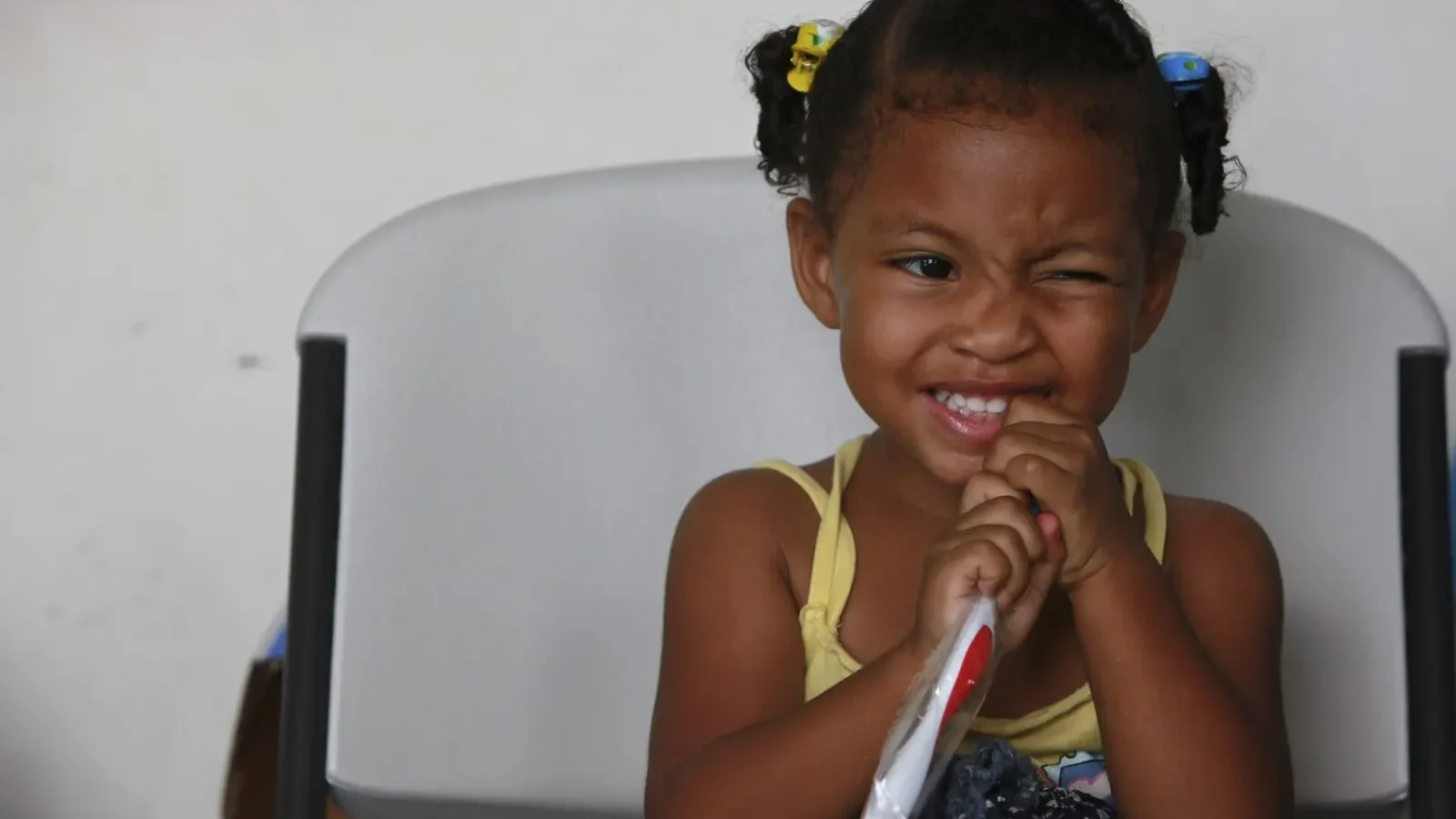
A brushing habit starts with two minutes spent together in front of the mirror.
Sarah Bennett
Turning brushing into a game
The easiest way to stop brushing from being a nightly battle is to turn it into a game. Bailey suggests using a two-minute brushing song or a sand timer and letting your child brush their favorite toy's teeth too. Brushing together with a parent in front of the mirror helps children learn the right movements by imitation. Letting your child choose the color and design of their toothbrush can also make them keener to join in the routine. Smiling in the mirror and counting teeth together after brushing can be a little celebration, too.
Young children's hand skills aren't yet good enough to clean all their teeth effectively. Bailey says that even if a child brushes on their own, a parent should finish or check the brushing until school age. Since the choice of toothpaste, its ingredients and the amount to use vary with a child's age, it's important to follow your dentist's advice on this. Don't forget to replace the toothbrush every few months or when the bristles start to splay.
Meeting the dentist for the first time
Bailey recommends that a child's first visit to the dentist happen at an early age, before any problem arises. The goal of the first visit can be more about getting acquainted, assessing oral health and informing the family than treatment. This way, the child can associate the dental office with curiosity and play rather than pain or fear. Reading a picture book about the dentist before the visit or playing dentist at home is a great way to prepare.
| Topic | Children's Health |
|---|---|
| Highlights | dental health, family routine, preschool |
| Reading time | 5 minutes |
| Written by | Sarah Bennett |
Key takeaways
- Baby teeth matter for chewing, speech and the placement of permanent teeth.
- Make brushing fun with songs and games; keep up parental checks until school age.
- Ask your dentist which toothpaste to use and how much; plan the first visit early.
It's also important for parents not to pass their own anxieties on to their child. Instead of phrases like "It'll hurt" or "Don't be scared," Bailey suggests positive, calm explanations such as "The dentist will count your teeth and see how strong they are." How often your child needs regular checkups is decided by the dentist based on their needs. If you notice discoloration, pain, swollen gums or bleeding, see your dentist without waiting for the next checkup.
What do you think about this post?
Leave a comment