
































































No more homework battles: how to set up a productive study corner at home
If homework time ends in tears, the problem may lie not with your child but with the setup. We've gathered ways to create a focus-friendly study corner at home.
Table of contents
In many homes, homework time after dinner ends in tension, bargaining and tears. Education consultant Dana Archer says a large share of these conflicts stems not from a child's reluctance but from a distracting environment and an unclear routine. Focusing in a living room with the TV on, among toys or at a desk that keeps changing is hard even for adults. In this article, we cover the essentials of a simple study corner you can set up anywhere in the house, the right lighting and seating, what to keep off the desk and the parent's balanced role during homework.
Where to put the study corner, and the right light
Education consultant Dana Archer says the study corner doesn't need to be in the biggest room in the house, but it's important that it's a fixed, predictable spot. Working at the same desk at the same time every day signals to a child's brain that it's time to focus. In a small home, even a corner of the living room or a set part of the kitchen table can work when used consistently. What matters is that the space isn't used for other things during homework time.
Lighting is one of the most neglected elements of a study corner. Archer recommends choosing a spot near a window that gets daylight if possible and using a desk lamp that lights the desk without shadows in the evening. For a right-handed child, light coming from the left, and for a left-handed child, light from the right, prevents shadows while writing. The chair height should also be adjusted so the child's feet rest comfortably on the floor.
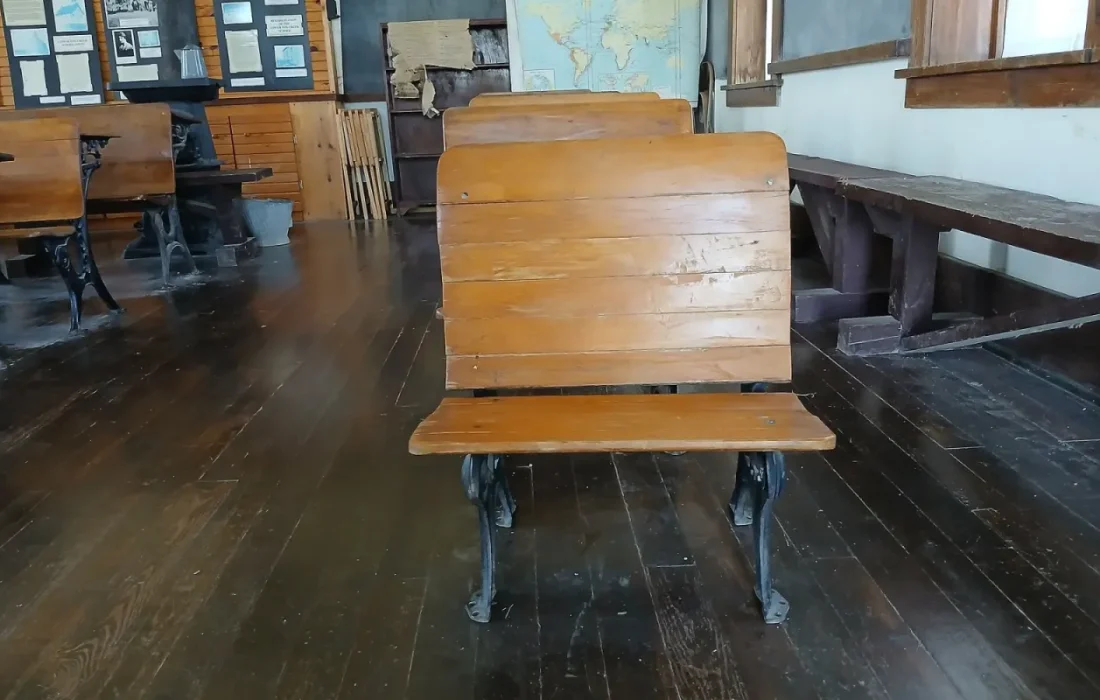
At homework time, a parent's job isn't to give the answers but to provide a calm place to work.
Mark Ellison
What should, and shouldn't, be on the desk?
Only the supplies needed for that day's homework should be on the desk. Archer recommends keeping pencils, an eraser, a sharpener, a ruler and a few blank sheets ready in a tidy box so your child doesn't have to keep getting up to look for things. A weekly calendar or a small board makes homework due dates and tests visible and helps children plan their time. Hanging your child's own study rules on the wall can also increase their sense of ownership.
Keeping distractions away from the desk is the most critical step. Archer recommends leaving phones and tablets in another room during homework time, keeping the TV off and moving toys out of sight. If a computer is needed for homework, keeping only the relevant window open and turning off notifications helps. Creating a quiet environment is possible only when other family members respect this time, too.
The parent's role: beside them, not instead of them
A parent's role in homework is one of the most debated topics. Archer says parents should be nearby but shouldn't do the homework for their child. When a child gets stuck, reading the question together, asking questions that offer clues and giving them time to try on their own supports the learning process, rather than handing over the answer right away. Giving children the chance to spot their own mistakes instead of correcting them immediately also builds an important skill.
| Topic | School & Learning |
|---|---|
| Highlights | homework, elementary school, screen time |
| Reading time | 5 minutes |
| Written by | Mark Ellison |
Key takeaways
- Working in the same place at the same time every day makes it easier for children to focus.
- Good lighting, the right chair and a ready supply box are the foundation of a study corner.
- Parents should be nearby but not do the homework for their child; praise the effort.
Taking short breaks during homework time helps attention reset. Archer notes that a few minutes of movement, a drink of water or looking out of the window refreshes a child's mind. When homework is done, praising your child's effort and tidying the desk together for the next day completes the routine. If homework time keeps ending in tears and conflict, talking with the teacher and having possible learning difficulties assessed by a specialist can help. Remember, the goal isn't perfect homework but a child who enjoys learning.
What do you think about this post?


Leave a comment