






















































Table of contents
A baby's first spoonful is one of the most treasured shots in any family album. But before that moment arrives, parents have dozens of questions: When should we start, with which food, at what texture and how much? Dietitian Grace Tanner stresses that in the first weeks of solids the goal is not to fill a tummy but to introduce the baby to new tastes and textures. In this photo feature, we've mapped out the first month, from signs of readiness and first vegetables and fruits to moving from purees to finger foods and safe seating. Please follow your pediatrician's advice on when to start and which foods to offer. Patience is the most important ingredient on this journey.
Recognizing the signs of readiness
When it comes to starting solids, you need to look at your baby more than the calendar. Dietitian Grace Tanner lists sitting upright with support, good head control, showing interest in food and a fading tongue-thrust reflex among the signs of readiness. The World Health Organization recommends exclusive breastfeeding for the first six months, but because every baby is different, the best approach is to decide when to start together with your pediatrician.
Getting ready also means setting the table. A high chair in which your baby can sit upright and safely, a small soft-tipped spoon, a bowl with high sides and plenty of bibs are the basic supplies for the first weeks. Tanner suggests choosing a time for first tries when your baby is in a good mood, neither sleepy nor very hungry. Sitting close to the family table also helps your baby get to know meals as a moment of sharing.
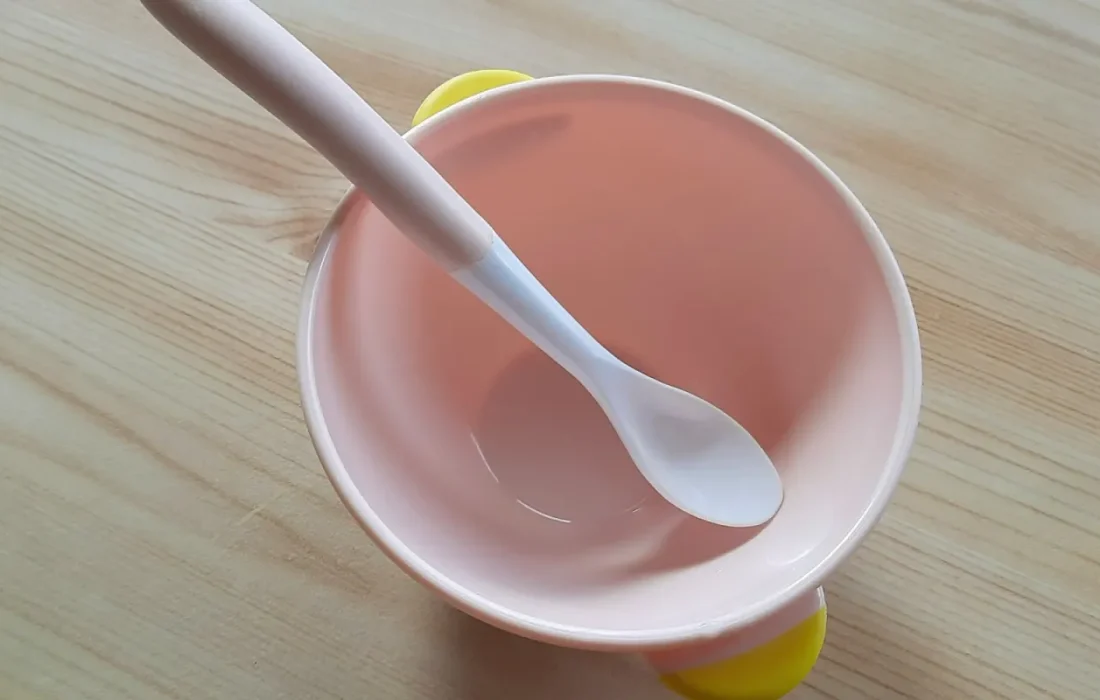
In the first weeks, success isn't the food left on the plate but every new taste your baby curiously reaches for.
Sarah Bennett
First tastes: one at a time, little by little
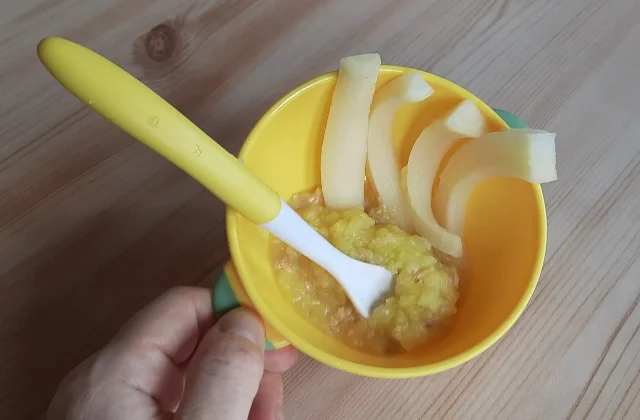
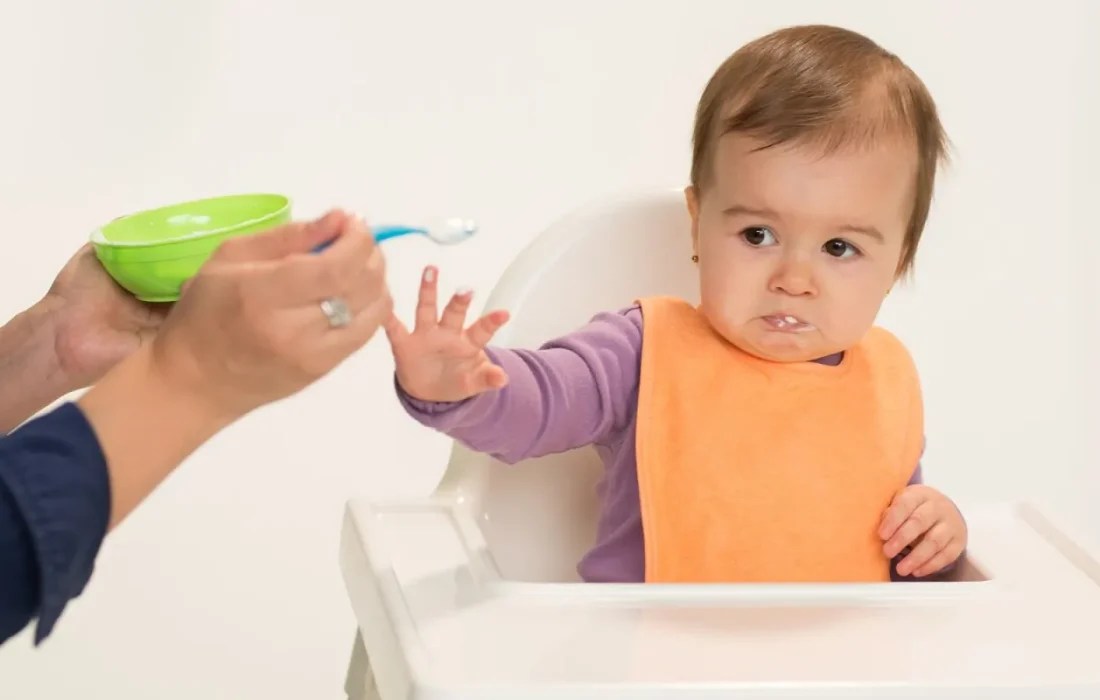
In the first weeks, introducing new foods one at a time, a few days apart, makes it easier to spot a possible sensitivity. Tanner notes that you can start with vegetables such as zucchini, carrots and potatoes or fruits such as apples and pears, though the order may vary from family to family and according to your doctor's advice. In the first days, even a few spoonfuls are enough; the goal isn't to fill them up but to introduce taste and texture. A baby refusing a food on the first try doesn't mean they won't like it.
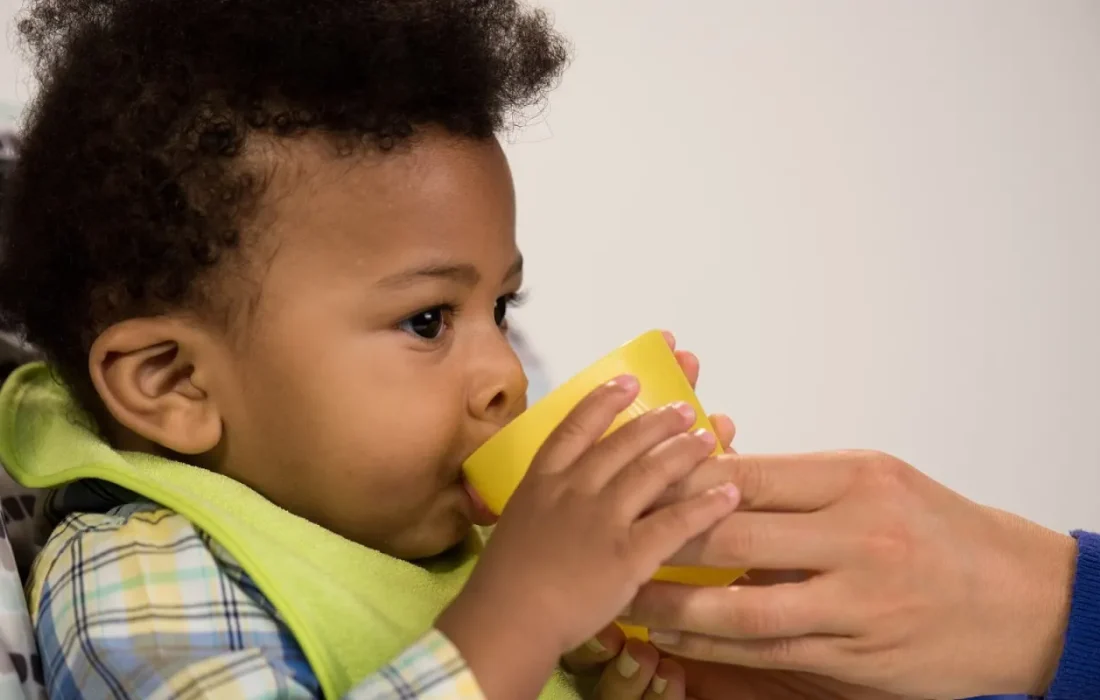
Salt, sugar and honey are among the ingredients that shouldn't be added to a baby's plate throughout the first year. Simple homemade meals instead of ready-made products help babies get to know the natural taste of foods. Because current guidance on when and how to introduce foods known to carry an allergy risk can change over time, Tanner strongly recommends asking your pediatrician about it. If there's a known history of allergies in the family, this conversation becomes even more important.
Texture, safety and the mood at the table
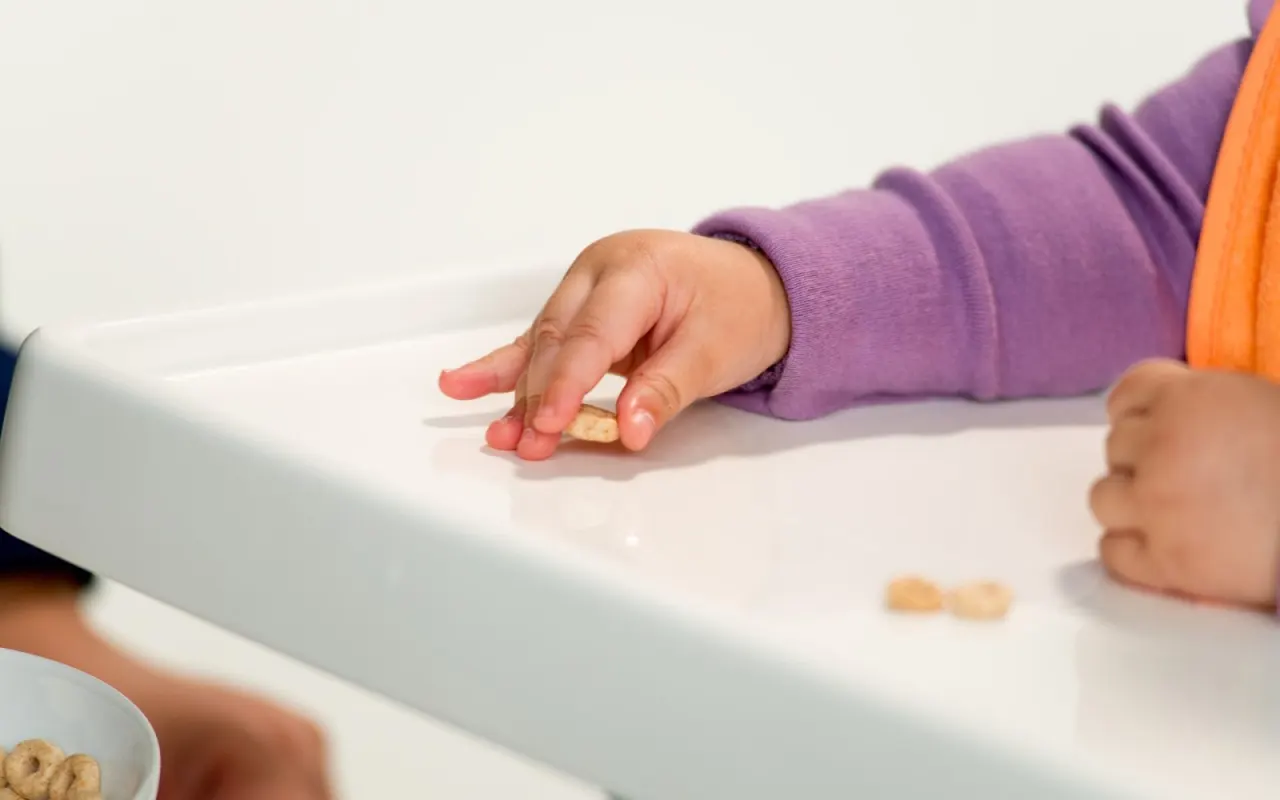
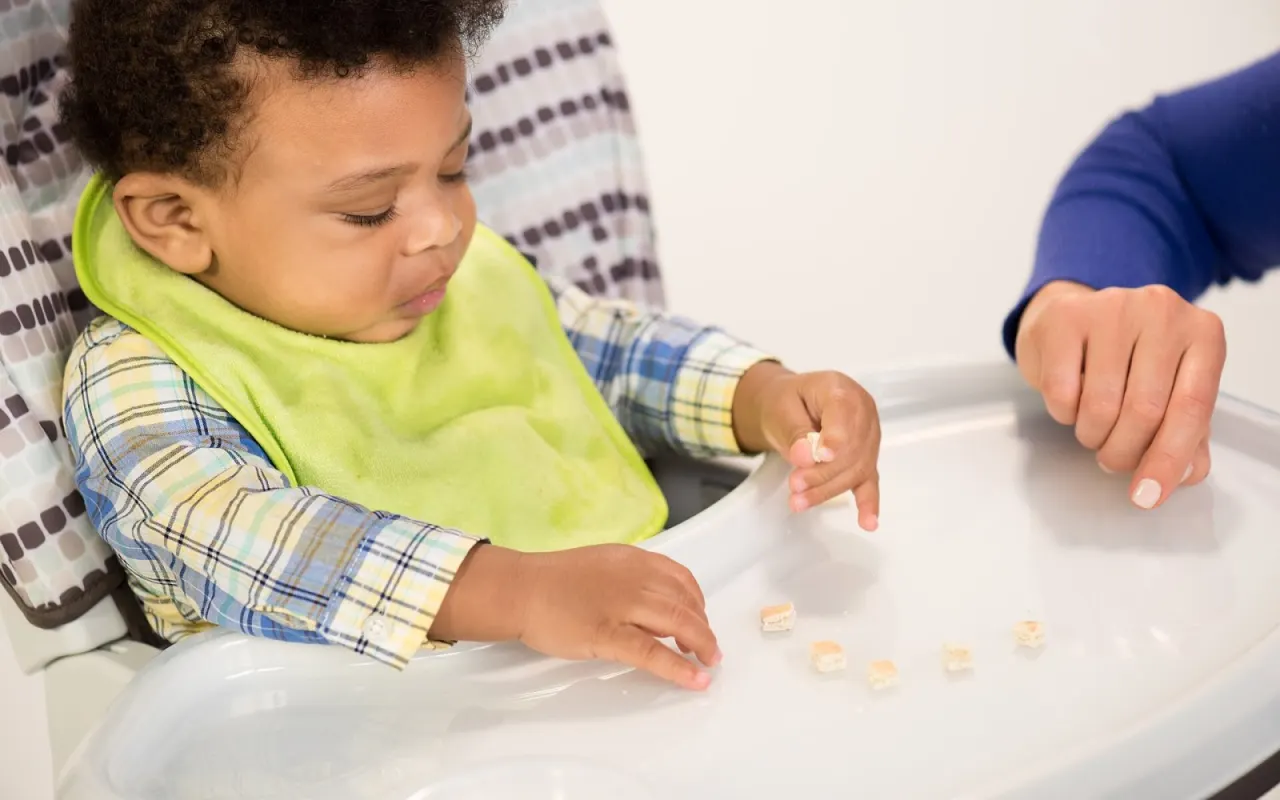
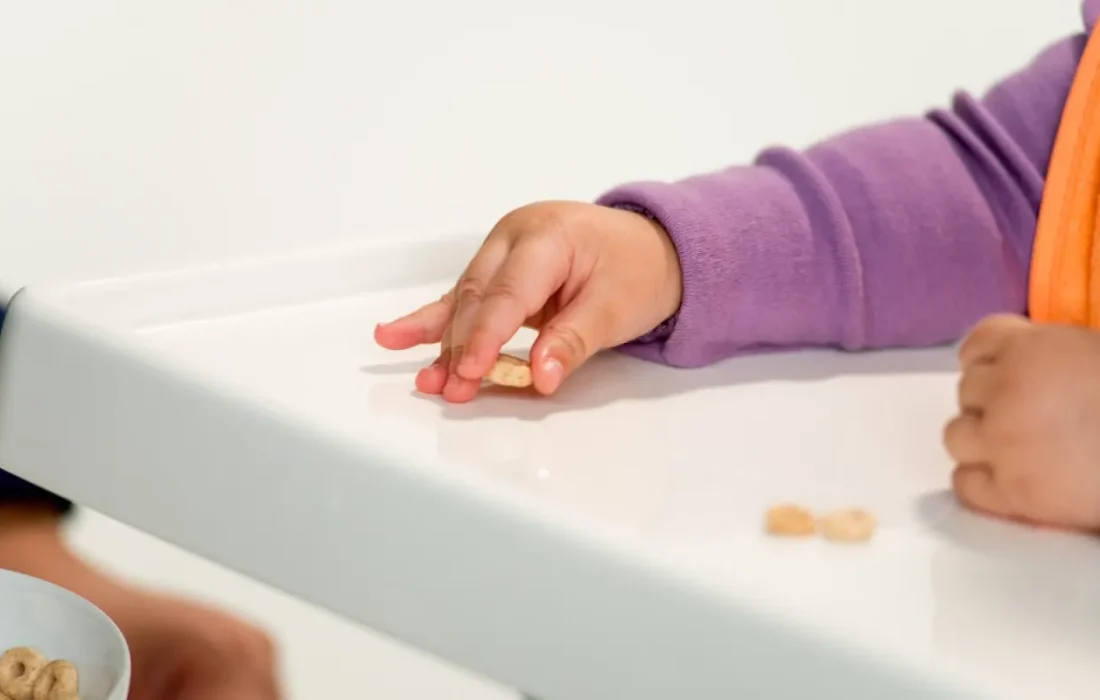
Texture is one of the most asked-about topics when starting solids. Smooth purees may be preferred in the first days, but moving on to fork-mashed, lumpier textures as the weeks go by supports a baby's chewing skills. Finger foods should be a size your baby can hold in their fist and soft enough to mash with their gums. Foods that pose a choking risk, such as grapes, whole nuts and hard raw vegetables, shouldn't be offered at this stage or should be prepared in a safe way.
| Topic | Nutrition |
|---|---|
| Highlights | first solids, newborn, safety |
| Reading time | 7 minutes |
| Written by | Sarah Bennett |
Key takeaways
- Decide when to start based on your baby's readiness signs and your doctor's advice, not the calendar.
- Introduce new foods one at a time, a few days apart, without adding salt, sugar or honey.
- Avoid foods that pose a choking risk and never leave your baby alone while eating.
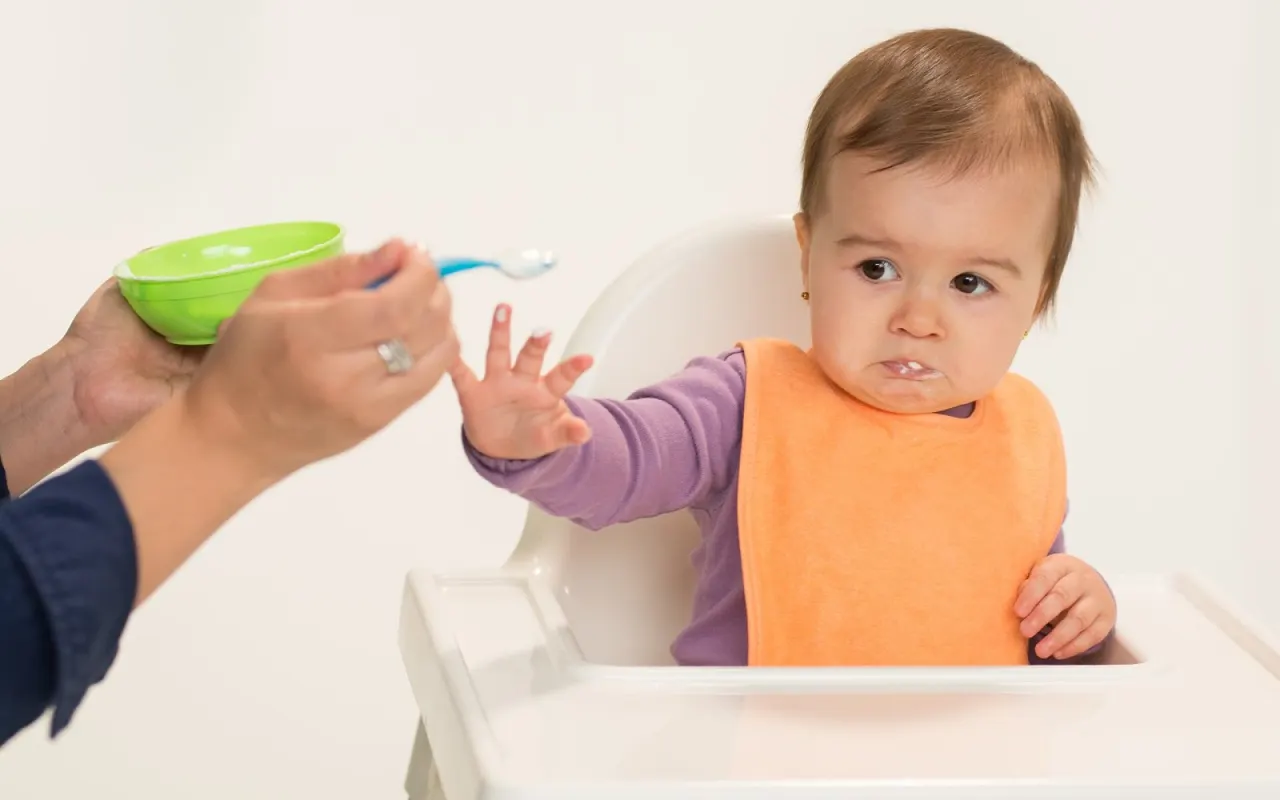
The atmosphere at the table matters as much as safety. Tanner says not forcing a baby to eat and treating a turned head or closed mouth as a sign of fullness builds a healthy relationship with food in the long run. Keeping screens away during meals, staying with your baby and making eye contact, and putting up with the mess are all part of the process. An adult should always be present while a baby is eating, and a baby should never be left alone.
What do you think about this post?
2 Comments
Really useful piece, thank you for putting it together.
I had never thought about this side of it. Looking forward to a follow-up.