






















































I can do it myself: 9 small touches at home that build a child’s confidence
A low shelf, their own coat hook and a cup they can reach... We've rounded up home setups that support a child's independence.
Table of contents
A child trying to put on their own shoes or pour their own water is actually tackling one of the most important developmental tasks: discovering what they can do by themselves. But in homes designed to adult proportions, this urge often runs into high shelves, out-of-reach cupboards and constantly having to ask for help. Child development specialist Ben Harper says small changes to the home setup noticeably support a child's confidence and sense of responsibility. In this article, we list nine practical ideas, from low shelves and a clothing corner where kids can choose their own outfits to toy rotation and a small kitchen drawer set aside just for them. All of them are budget-friendly and quick to put in place.
Seeing the home from a child's height
Child development specialist Ben Harper says the easiest way to start adapting your home to your child is to get down to their height. Crouching down and seeing the house through their eyes immediately shows what they can't reach, where they struggle and where they constantly have to ask for help. A child who can't reach the sink, hang up their jacket or get toys out of boxes stacked on top of each other doesn't get the chance to do things alone, even when they want to.
After this observation, you can make small but effective changes. A sturdy, non-slip step stool in the bathroom, a coat hook at your child's height by the front door and a low shelf for shoes make the morning routine more independent for children. Harper notes that these changes don't require expensive furniture; simply moving things around the house is often enough. For safety, don't forget to anchor any furniture that could tip over to the wall.
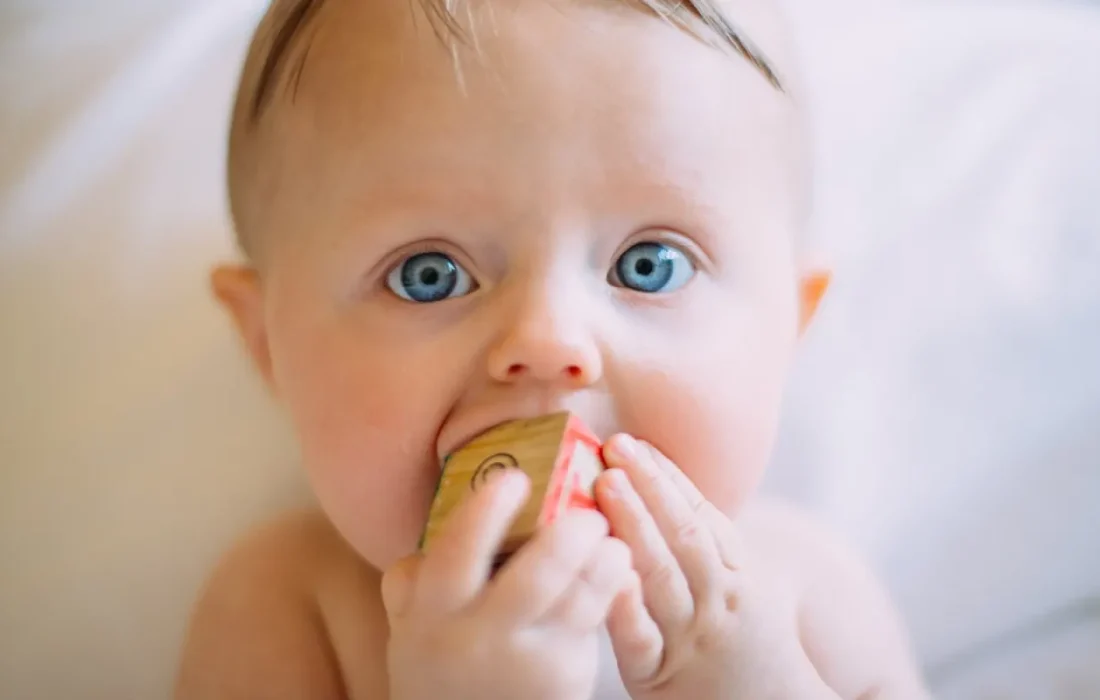
Sometimes the best way to help a child is to create a space where they can do it themselves.
Mark Ellison
Shelves, hooks and the freedom to choose
How toys are displayed directly affects how children play with them. Instead of dozens of toys piled into one big box, Harper recommends arranging a small number of toys in plain view on a low shelf. This setup makes it easier for children to choose what they want and put the toy back when they're done. Storing the other toys in a cupboard and swapping them every few weeks makes older toys interesting again. A few carefully chosen toys often open the door to much deeper and longer-lasting play.
Choosing clothes is another important area of independence. Putting a few weather-appropriate outfit options in a drawer your child can reach and asking them to decide between two choices can cut down on morning arguments. Harper says the outfit a child picks may not always match, but that doesn't matter; the experience of making a decision is far more valuable. Keeping the options limited stops children from getting overwhelmed by indecision. That way, getting ready in the morning is both quicker and more enjoyable.
Sharing responsibility through play
Joining in with household chores helps children feel like a valued part of the family. Harper suggests putting your child's own plate, cup and spoon in a low kitchen drawer set aside for them. That way, they can help set the table and pour their own water from a small pitcher when they're thirsty. Keeping a cloth nearby to wipe up spills turns mistakes into part of learning, too. This small setup helps children feel capable and valued in the kitchen.
| Topic | Child Development |
|---|---|
| Highlights | preschool, emotional development, toys |
| Reading time | 5 minutes |
| Written by | Mark Ellison |
Key takeaways
- Seeing your home from your child's height instantly shows where they need help.
- A few toys on low shelves and limited clothing choices support independence.
- Sharing chores through play and praising effort over results builds confidence.
Presenting responsibilities as games rather than a to-do list makes it easier for children to join in eagerly. A sock-matching race, a plant-watering mission or a game of sorting laundry by color turns everyday chores into learning opportunities. Harper advises not jumping in right away to fix what your child has done and praising effort rather than a perfect result. A child who sees they can do things on their own becomes braver about trying new things.
What do you think about this post?

Leave a comment