













































What to look for in a stroller: a checklist for folding, wheels and safety
Sponsored contentThis content was produced as an advertisement / partnership.
From city sidewalks to public transit, we've gathered the criteria to check before the brand name into one stroller checklist.
Table of contents
A stroller is one of the most expensive and most researched items most families buy before the baby arrives. Choosing among dozens of similar models on store shelves is hard, and the most praised model may not suit your daily life. Product safety consultant Oliver Young recommends starting with your lifestyle rather than color or design: Do you live in a walk-up apartment, rely on public transit, or need it to fit in the trunk of your car? In this checklist, we list the points you can test in the store before buying, from the folding mechanism and wheel design to the five-point harness and braking system. Be sure to try out a few models in person before you decide.
Start by defining your lifestyle
Product safety consultant Oliver Young suggests that before you start shopping for a stroller, your family should write down what daily life looks like. Do you live in a building with an elevator, or climb stairs every day? Are your sidewalks smooth, or do you face cobblestones and rough roads? Do you use public transit or the car more often? The answers to these questions show far more clearly than any brand or model which type of stroller is right for you.
Because it's important for a newborn to lie flat, you need to check whether the backrest reclines fully or whether the stroller offers a bassinet or carrycot. Young recommends also keeping in mind that your baby will grow and will eventually need a seat for sitting upright. Travel systems can be practical, but thinking ahead about whether you'll actually use every piece helps you avoid unnecessary spending.
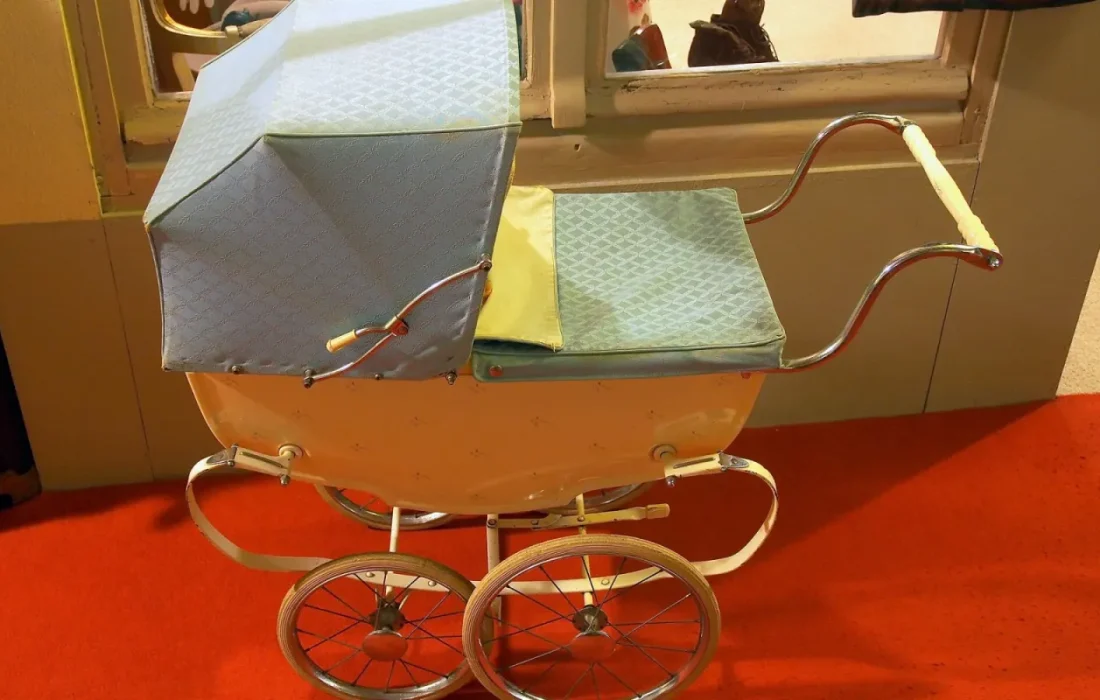
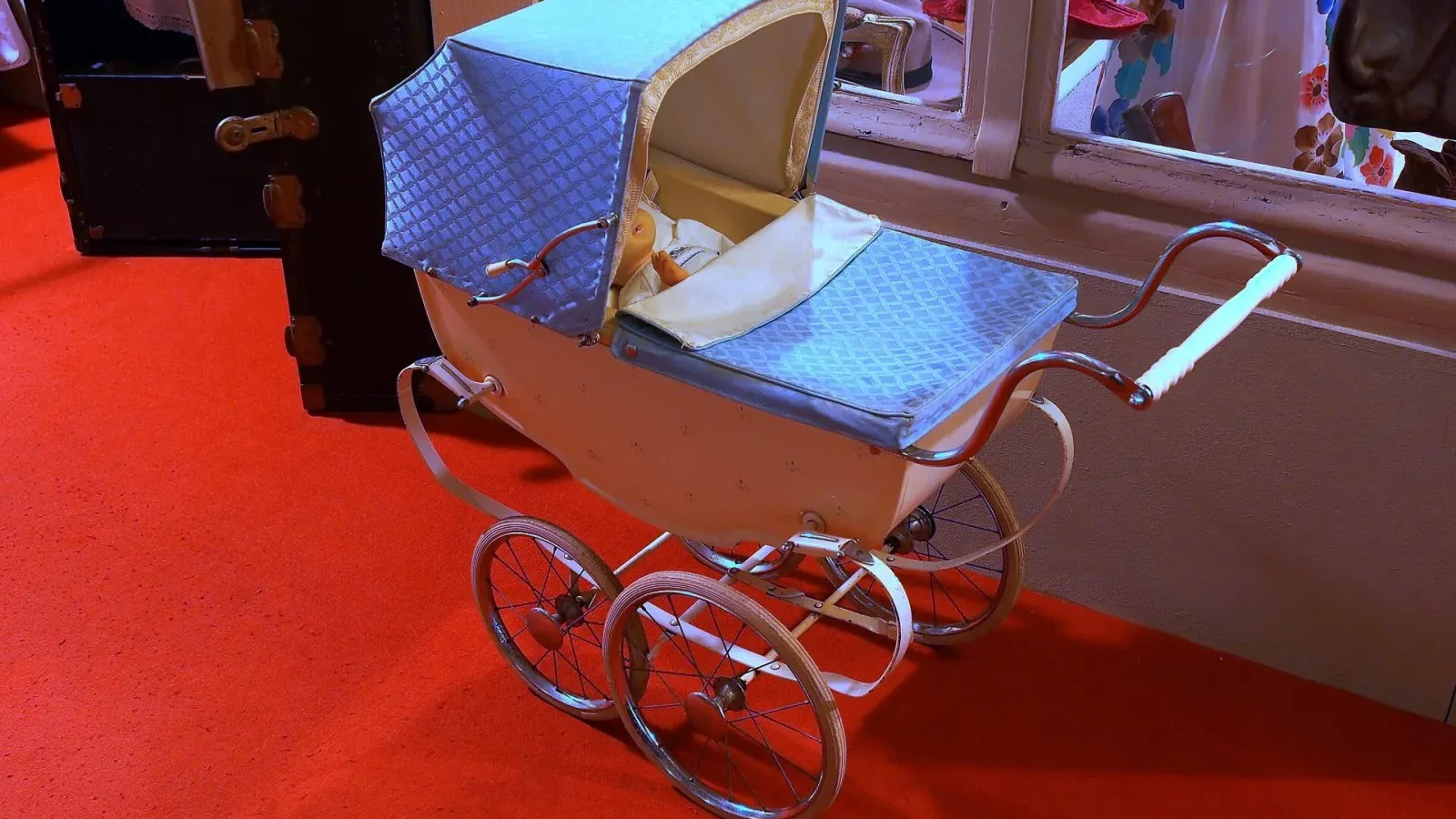
The best stroller is the one that fits your sidewalk, your stairs and your trunk.
Jake Morales
Folding, weight and wheels
The folding mechanism is one of the first features you should always try in the store. Young suggests folding and unfolding the stroller with one hand, reminding parents that with a baby in your arms, you'll often have only one hand free. It's also important to compare the folded dimensions with your car trunk or storage space at home. The stroller's weight can be a deciding factor, especially for families who live in walk-up buildings and use public transit. These simple tests prevent many disappointments down the road.
The wheels determine which surfaces the stroller will handle comfortably. Small, hard wheels are fine on smooth mall floors but can jolt the baby on bumpy sidewalks. Larger wheels with suspension provide comfort on uneven roads but add to the stroller's weight and bulk. Young notes that lockable swivel front wheels strike a good balance between easy maneuvering in the city and stability on rough ground.
Harness, brakes and a final check before you buy
Safety features should be non-negotiable. Young recommends a five-point harness because it secures the baby at the shoulders, waist and between the legs. It's important that the harness adjusts easily to the baby's size and that the buckle is one a child can't open but an adult can use with ease. A brake that engages with one foot and locks both rear wheels at once gives extra peace of mind on slopes and on public transit. A short test drive over different surfaces in the store is also revealing.
| Topic | Product Guide |
|---|---|
| Highlights | safety, newborn, family routine |
| Reading time | 6 minutes |
| Written by | Jake Morales |
Key takeaways
- Start your search not with a brand but with your stairs, sidewalks and travel habits.
- Try one-handed folding in the store and compare the folded size with your trunk.
- A five-point harness, strong brakes and a safety label should be non-negotiable.
Before buying, check the label showing the stroller meets current safety standards and read the user manual. If you're buying secondhand, Young advises making sure the folding locks work securely, the straps aren't worn and the brakes hold fully. Pushing the stroller a few yards in the store to see whether the handlebar suits your height and the basket is easy to reach is also part of the final checks. A short trial is the key to long-term satisfaction.
What do you think about this post?
Leave a comment