










































The word explosion at two to three: 8 ways to support language development through play
Child development specialist Ben Harper explains, on video, how to support language development between ages two and three through play at home.
Table of contents
Around the age of two, many children learn dozens of new words within weeks and start putting together their first short sentences. This period, which experts call the word explosion, can be both fascinating and at times worrying for parents, because not every child reaches this threshold at the same time. Child development specialist Ben Harper says the most effective way to support language development isn't special flashcards or apps but warm, back-and-forth conversations woven into everyday moments. In our video, he shares eight simple games that support language development, from bath time and grocery shopping to the play corner and dinner, along with the signs to watch for.
What is the word explosion, and when does it happen?
The word explosion is a term used to describe the period when a child's vocabulary expands markedly in a short time. Child development specialist Ben Harper says this phase appears in most children between 18 months and two and a half years, though there is a wide normal range. A child who uses only a handful of words one day may start naming objects and expressing wishes in two-word sentences a few weeks later.
Harper advises parents to steer clear of comparisons during this phase. Another child at the park talking more doesn't mean your own child is behind. Some children understand a great deal first and start talking later; others may briefly put language on the back burner while they focus on motor skills. What really matters is that a child makes progress compared with their own earlier self and keeps wanting to communicate. Patient observation tells you far more than comparison ever will.
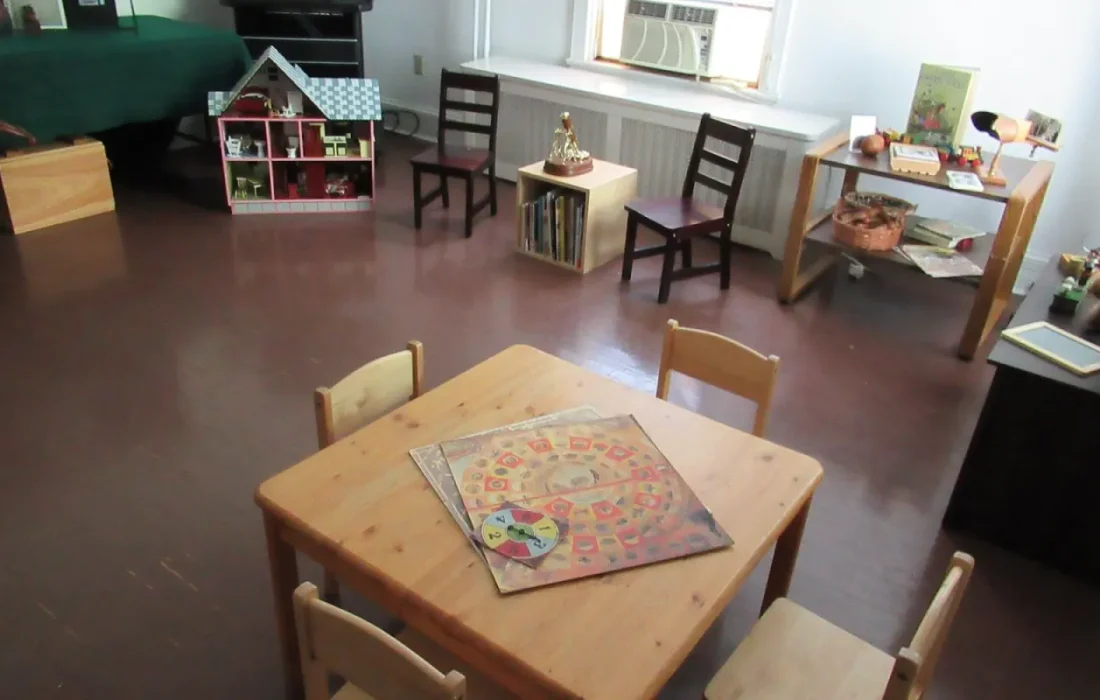
Talking to a child isn't enough; you also need to give them time to answer.
Ethan Brooks
Turning everyday moments into conversations
The most effective way to support language development is to turn everyday moments into back-and-forth conversations. Harper suggests naming body parts at bath time, talking about the colors of fruit at the grocery store and describing what you're doing in the kitchen. Repeating your child's word and expanding on it is another powerful method: when your child says "ball," answering "Yes, the red ball rolled away" offers new words in a natural context. It's one of the warmest ways to teach without correcting.
The games shared in the video include looking at picture books together, rhymes and finger plays, imitating sounds with toy animals and simple pretend play. Harper stresses the importance of asking open-ended questions and waiting a few seconds for an answer, because many adults answer for the child while they're still thinking. Screens left on in the background can reduce opportunities for conversation, so keeping screen time limited and sticking to content you watch together is recommended.
When should you see a specialist?
Although every child has their own pace, in some cases talking to a specialist can put your mind at ease. Harper lists not responding when called by name, marked difficulty making eye contact, using no words at all around age two or losing words they had already learned among the signs to watch for. These signs alone don't mean a diagnosis, but it's important to talk to your pediatrician so they can be assessed. Asking questions early often reduces unnecessary worry, too.
| Topic | Child Development |
|---|---|
| Highlights | language development, preschool, play |
| Reading time | 6 minutes |
| Written by | Ethan Brooks |
Key takeaways
- The word explosion usually happens between 18 months and two and a half years; the normal range is wide.
- Expanding on what your child says and waiting for an answer supports language development.
- If you notice signs such as lost words or not responding to their name, talk to your pediatrician.
Early assessment means early support if it's needed, and it often eases families' worries. If your pediatrician thinks it's necessary, they may refer you to a child development specialist or a speech and language therapist. Harper encourages parents to ask their questions early rather than losing months to a wait-and-see approach. Throughout the process, continuing to play with, talk to and listen to your child always makes the biggest contribution to language development.
What do you think about this post?

2 Comments
Really useful piece, thank you for putting it together.
I had never thought about this side of it. Looking forward to a follow-up.