




























































Winter is coming: 10 cozy habits that support kids’ immunity and sleep
For children who get sick often in winter, we don't recommend miracle products; we recommend a warm routine of regular sleep, a colorful plate and fresh air.
Table of contents
With the first cold mornings of November, coughs are back on the school bus and sleepless nights are back at home. Many parents are looking for a quick fix to boost their child's immunity, yet experts remind us that ordinary everyday habits make more of a difference than miracle products. Regular, sufficient sleep, a colorful plate, time spent in daylight, frequent handwashing and well-ventilated rooms are among children's strongest allies all winter long. In this feature, we have gathered ten habits you can start at home right away, with advice from child development specialist Ben Harper and pediatrician Dr. Olivia Grant. And whenever something worries you, don't forget to check in with your pediatrician.
Sleep: the silent guardian of immunity
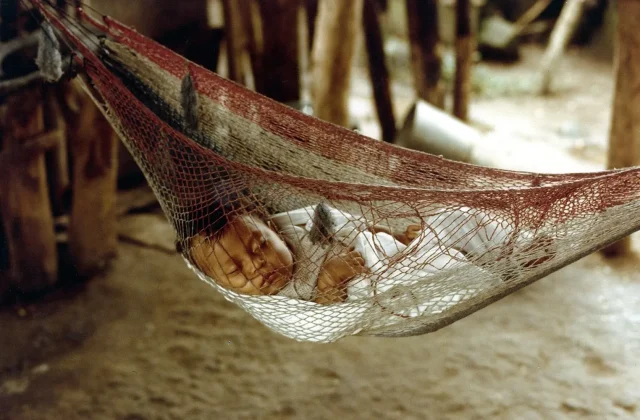
Sleep is the quietest time of day, when the immune system recovers. Child development specialist Ben Harper says regular sleep is the habit most often neglected in winter. Early dark evenings, longer screen time and bedtimes that drift on weekends can easily confuse a child's body clock. According to Harper, going to bed and waking up at the same time every day can matter even more than how long a child sleeps, because when the body can predict its rhythm, it slips into deeper, more restful sleep.
The hour before bed directly affects the quality of sleep. Dimming the lights, switching off screens, a warm shower and a short story time are powerful signals that tell a child the day is over. A cool, dark and quiet bedroom matters too. While there are general guidelines on how many hours children should sleep at each age, every child's needs are different; if your child seems constantly tired and restless during the day, it's worth talking to your pediatrician about their sleep.

Immunity isn't built by a single product but by small habits repeated calmly every day.
Emily Carter
The winter table: a colorful plate, regular meals
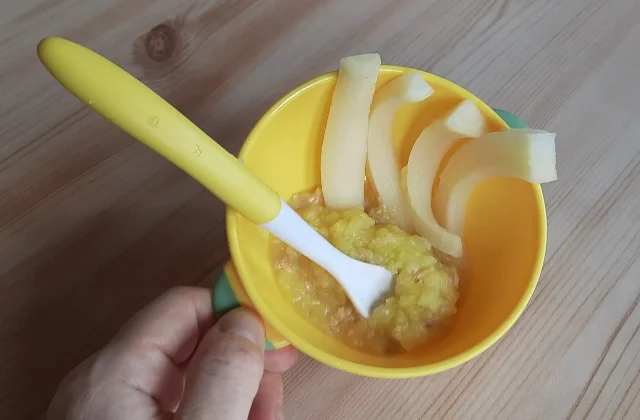
Adding more color to the winter table is one of the simplest steps to support immunity. Pediatrician Dr. Olivia Grant recommends regularly including orange and green vegetables, seasonal fruit, legumes and whole grains on the plate. Tangerines, oranges, spinach, leeks and carrots are easy to find this season, and children can learn to love them cooked in different ways. Grant reminds us that focusing on variety makes far more sense than searching for a single superfood.
Regular mealtimes matter just as much as what's on the plate. Not skipping breakfast, finishing dinner well before bedtime and remembering to drink water throughout the day are small but effective defenses against the sluggishness so common in winter. When it comes to herbal teas, supplements or vitamin products, however, you shouldn't decide on your own. Grant stresses that only a pediatrician can assess whether a supplement is suitable for a child, or needed at all.
Fresh air, handwashing and when to call the doctor
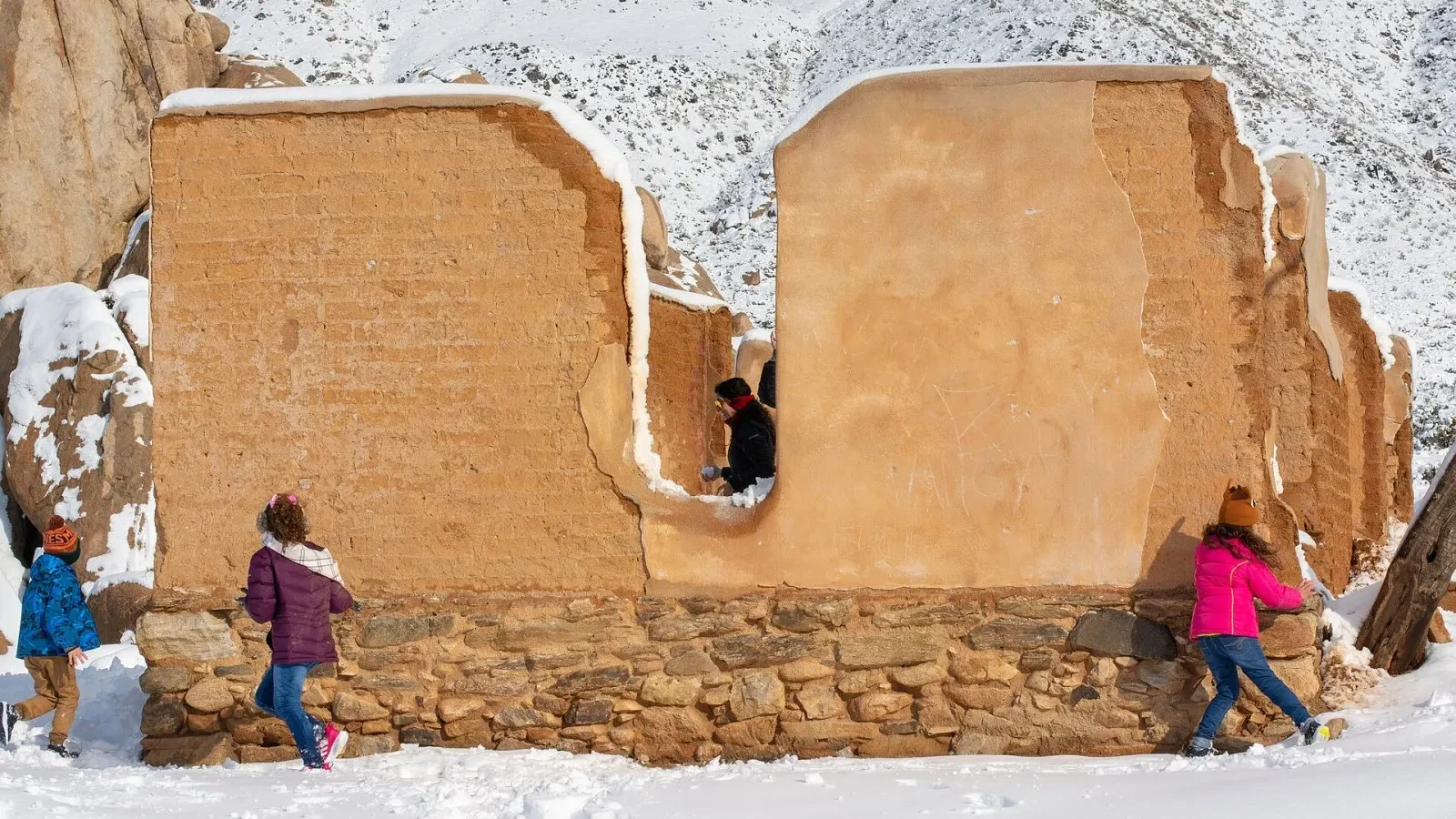
Staying indoors in cold weather may seem safe at first glance, but closed, stuffy rooms can make it easier for germs to spread. Opening the windows a few times a day to air out the rooms, letting your child play outside even briefly when the weather allows and soaking up some daylight are all recommended. Handwashing is the least debatable item on the list: you can make washing hands with soap for at least twenty seconds after school, before meals and after using the toilet fun with a song.
| Topic | Children's Health |
|---|---|
| Highlights | immunity, sleep routine, winter health |
| Reading time | 8 minutes |
| Written by | Emily Carter |
Key takeaways
- Going to bed and waking up at the same time every day supports both sleep quality and immunity.
- A colorful, varied winter table means more than any single supplement.
- If your child has trouble breathing, a lasting fever or marked listlessness, call your pediatrician right away.
Despite every precaution, it's normal for children to get sick a few times in winter. What matters is knowing when to see a doctor instead of waiting. Difficulty breathing, a fever that lasts long or runs very high, refusing fluids, marked drowsiness and any fever in a young baby are among the situations that need to be assessed without delay. Grant encourages parents to trust their instincts and never hesitate to ask the pediatrician about anything on their mind.
What do you think about this post?

2 Comments
Really useful piece, thank you for putting it together.
I had never thought about this side of it. Looking forward to a follow-up.