





























































A screen-free weekend: ideas for a family autumn picnic and nature walk
It's not too late to head outdoors while the leaves are falling. We've put together a photo-filled inspiration file for planning a family picnic and walk.
Table of contents
Autumn, when the trees change color and the air hasn't fully turned cold yet, is one of the most enjoyable times for families to get outdoors. A half-day walk that needs little preparation or a small picnic in a city park is just the thing for shaking off the week and stepping away from screens. Family counselor Megan Clarke notes that unstructured time in nature is good for children's attention and emotional regulation skills. In this photo feature, we've gathered plenty of ideas, from choosing age-appropriate routes and packing a seasonal picnic basket to games like leaf hunts and nature bingo and a discovery journal to fill in on the way home.
Choosing a route: short, safe and full of wonder
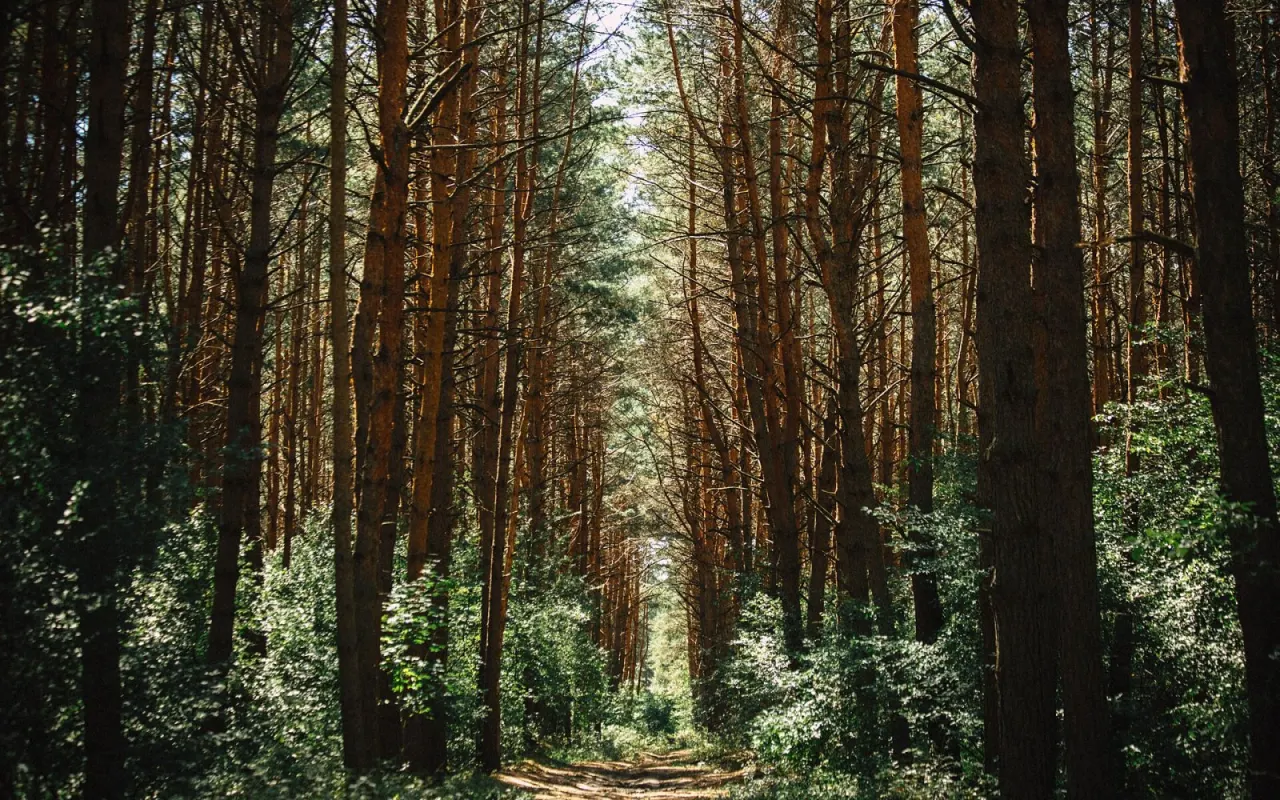
The success of a nature walk with children depends less on the length of the route than on keeping their interest alive. Family counselor Megan Clarke recommends short, flat routes with an easy way back for first walks. City parks, trails around ponds and signposted forest paths are ideal for beginners. Having a playground, a small stream or a picnic table along the way gives children a concrete goal for the walk.
Because autumn weather can change quickly during the day, dressing in layers and bringing a raincoat make things easier. Comfortable shoes with non-slip soles, a water bottle, a small first aid kit and spare socks are the backpack basics. Clarke reminds families how important it is to check the route and the weather before setting out and to plan so you're back before dark. Taking a break the moment your child says they're tired is also the secret to keeping the walk enjoyable.
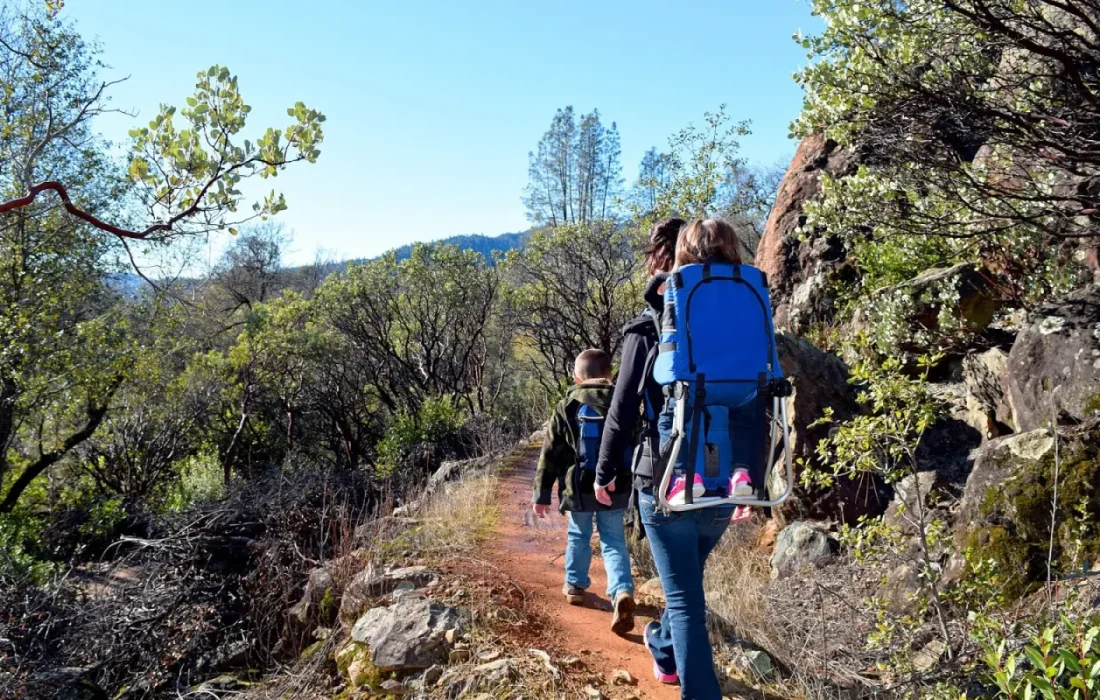
When children walk in nature, they aren't just covering ground; they're learning about the world through touch.
Jake Morales
What belongs in the picnic basket?
An autumn picnic calls for slightly different preparation than a summer one. A thick picnic blanket, a waterproof layer underneath and a separate blanket for everyone make it comfortable to sit in the cool air. A warm drink in a thermos, seasonal fruit, hard-boiled eggs, cheese wraps and roasted vegetables are filling and easy to carry. Clarke says letting children make their own choices while packing the basket makes them more excited about the picnic.
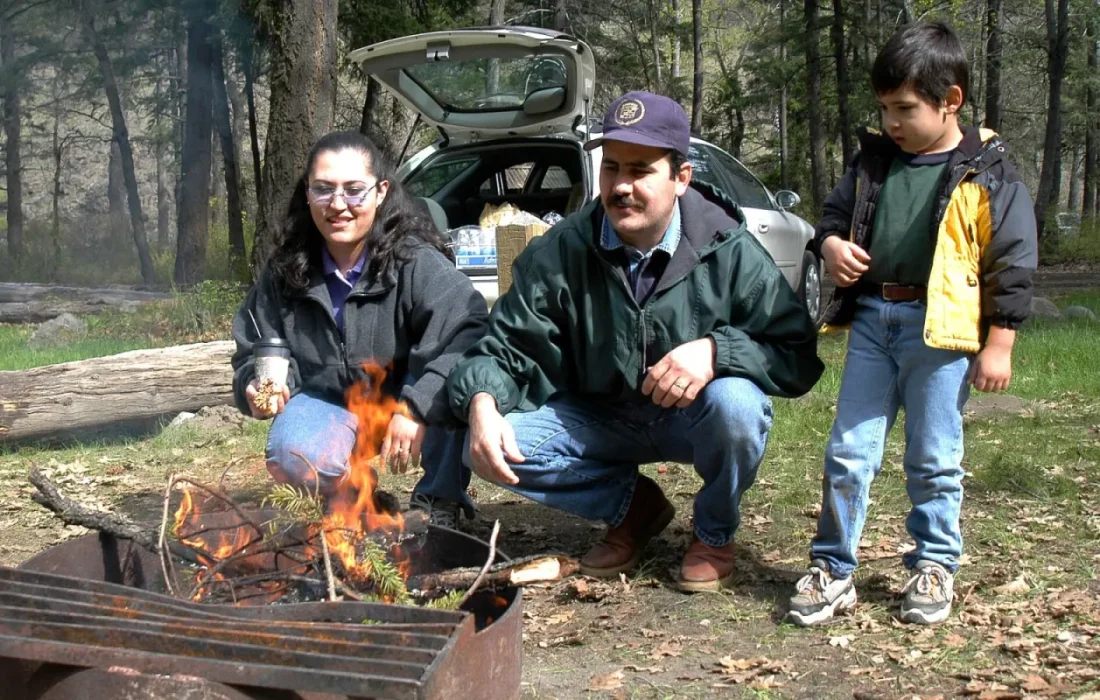
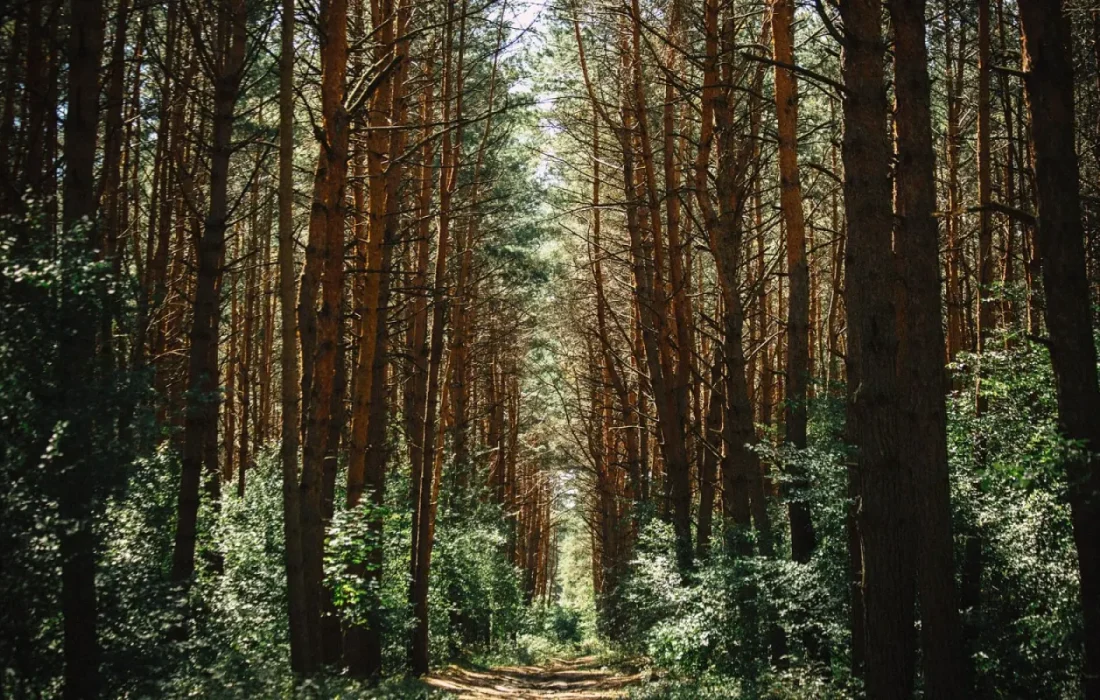
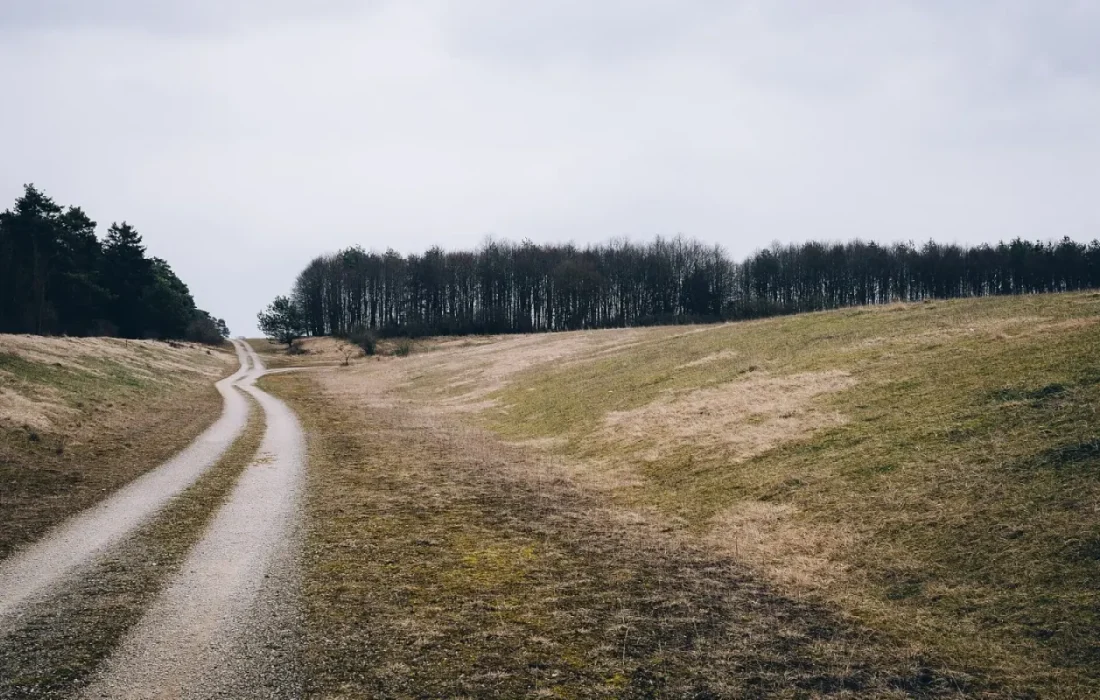
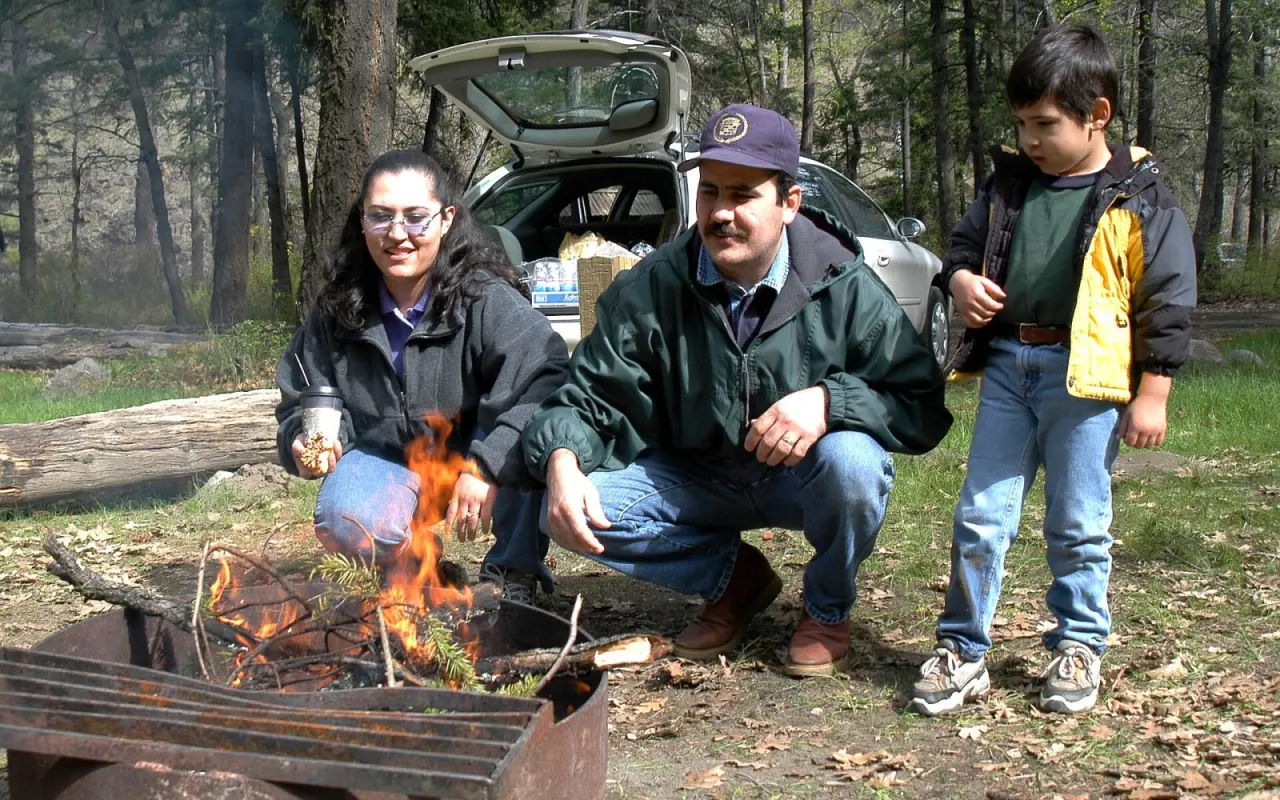
Respect for nature is an inseparable part of preparing for a picnic. Bringing a trash bag, leaving the area cleaner than you found it and never lighting a fire where fires are banned are among the most valuable lessons you can teach children. Simple rules such as not breaking off branches, not disturbing animals and collecting only fallen leaves and pine cones help children build a responsible relationship with nature. These habits are small but powerful steps that pass a love of nature from one generation to the next.
Play in nature: from leaf hunts to a mini discovery journal
You hardly need to bring toys to play in nature. A leaf hunt is a simple but absorbing game in which the goal is to find leaves of different colors and shapes. A nature bingo card prepared in advance can include squares such as a pine cone, moss, a feather, a mushroom or an anthill. Clarke recommends explaining from the start, as one of the rules of the game, that mushrooms and unfamiliar plants are for looking at only, not touching. Counting what you found together at the end of the game is a special treat for kids.
| Topic | Family Life |
|---|---|
| Highlights | outdoors, screen time, family routine |
| Reading time | 6 minutes |
| Written by | Jake Morales |
Key takeaways
- Choose short, flat routes with an easy way back for first walks, and take breaks at your child's pace.
- For an autumn picnic, pack layers, a thick blanket and a warm drink in a thermos.
- A leaf hunt, nature bingo and a discovery journal turn a walk into a lasting family ritual.
Recording the walk in a discovery journal once you're home makes the experience last. Drying the leaves you collected and sticking them in the journal, drawing the animals you saw or writing a few sentences about the best moment of the day supports children's observation and storytelling skills. Clarke says this journal can turn into a shared family memory album over the years. Choosing the next route together is the easiest way to turn nature walks into a lasting family ritual.
What do you think about this post?


Leave a comment