




























































A newborn’s first winter: room temperature, layering and a safe sleep guide
If your baby is meeting the cold for the first time this winter, here is everything you need to know, from room temperature and dressing to a safe sleep space and going outside.
Table of contents
Newborns are not as good at regulating their body temperature as adults, which is why the first winter can turn into an anxious wait for many parents. While worrying that the baby will get cold, overbundling and making them sweat is one of the most common mistakes. Pediatrician Dr. Olivia Grant reminds parents that checking the back of the neck and the chest, rather than the hands, is a more reliable way to tell if a baby is warm enough. In this guide, we've brought together advice to help you through the first winter more calmly, from setting the room temperature and dressing in layers to keeping pillows and heavy blankets out of the crib and planning when to head outdoors. A little preparation can make the first winter far more enjoyable.
Room temperature and ventilation
The ideal environment for a newborn's room is a balanced temperature, neither too hot nor too cold. Pediatrician Dr. Olivia Grant says a room temperature in which adults are comfortable in light clothing is generally suitable for babies, too. It's important not to place the crib right next to a radiator or heater, to keep an eye on the room with a thermometer and to keep the air from getting too dry. Rather than a fixed number, Grant recommends watching your baby's own cues when it comes to room temperature.
Although there's a tendency to keep windows tightly shut in winter, airing the room briefly a few times a day helps refresh the air. Moving the baby to another room or covering them appropriately while you do so is enough. No smoking in the room is a non-negotiable rule; tobacco smoke harms babies' airways. Asking visitors to wash their hands before touching the baby is another habit that deserves special attention in winter.
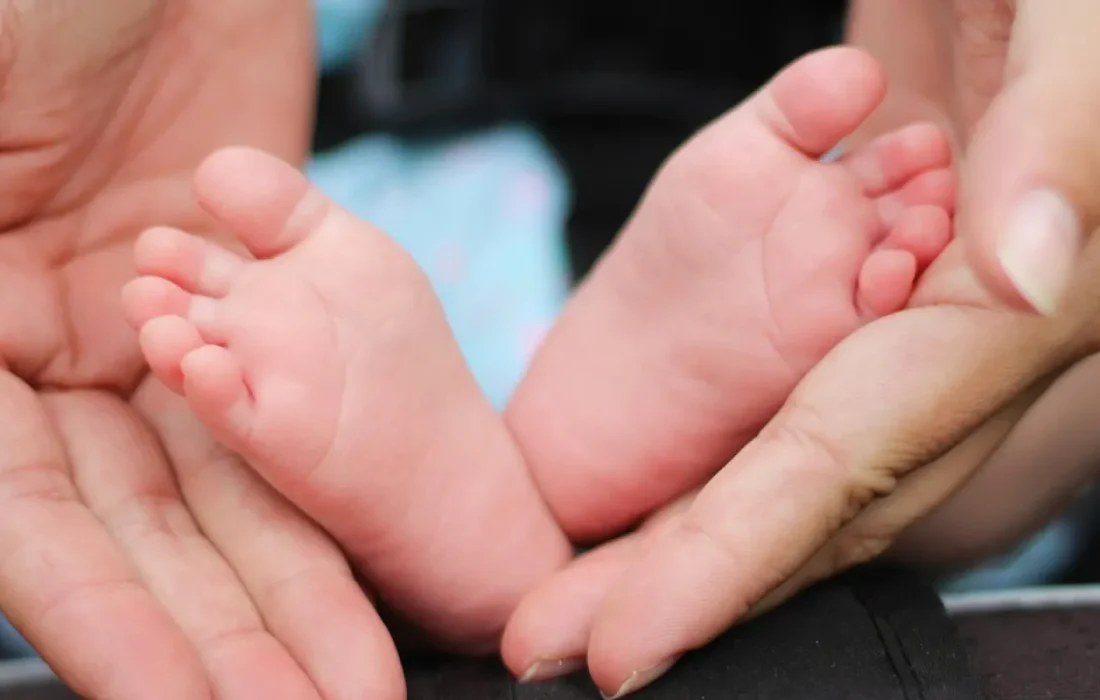
Keeping your baby warm doesn't mean burying them under layers of blankets; it means providing a balanced, safe environment.
Sophie Laurent
Tips for dressing in layers
A practical rule is often repeated when it comes to dressing babies: putting your baby in one more layer than you're wearing in the same setting is usually enough. Choosing thin layers instead of one thick sweater makes it easy to take off or add a layer when the temperature changes. A breathable cotton base layer, a cardigan or onesie on top and a weather-appropriate outer layer when you head outside make a balanced setup for winter.
Looking at a baby's hands and feet to tell whether they're cold can be misleading; babies' hands and feet often feel cool. Grant says checking by touching the back of the neck or the chest is more reliable. If the neck is sweaty and the baby is fussy, you may need to remove a layer. Seating a baby in a car seat in a thick snowsuit isn't recommended, as it leaves the harness loose; a safer option is to buckle the baby in and then cover them with a blanket.
A safe sleep space: simple, flat and empty
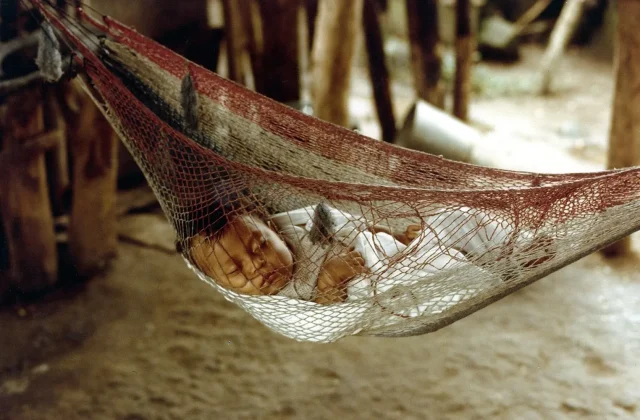
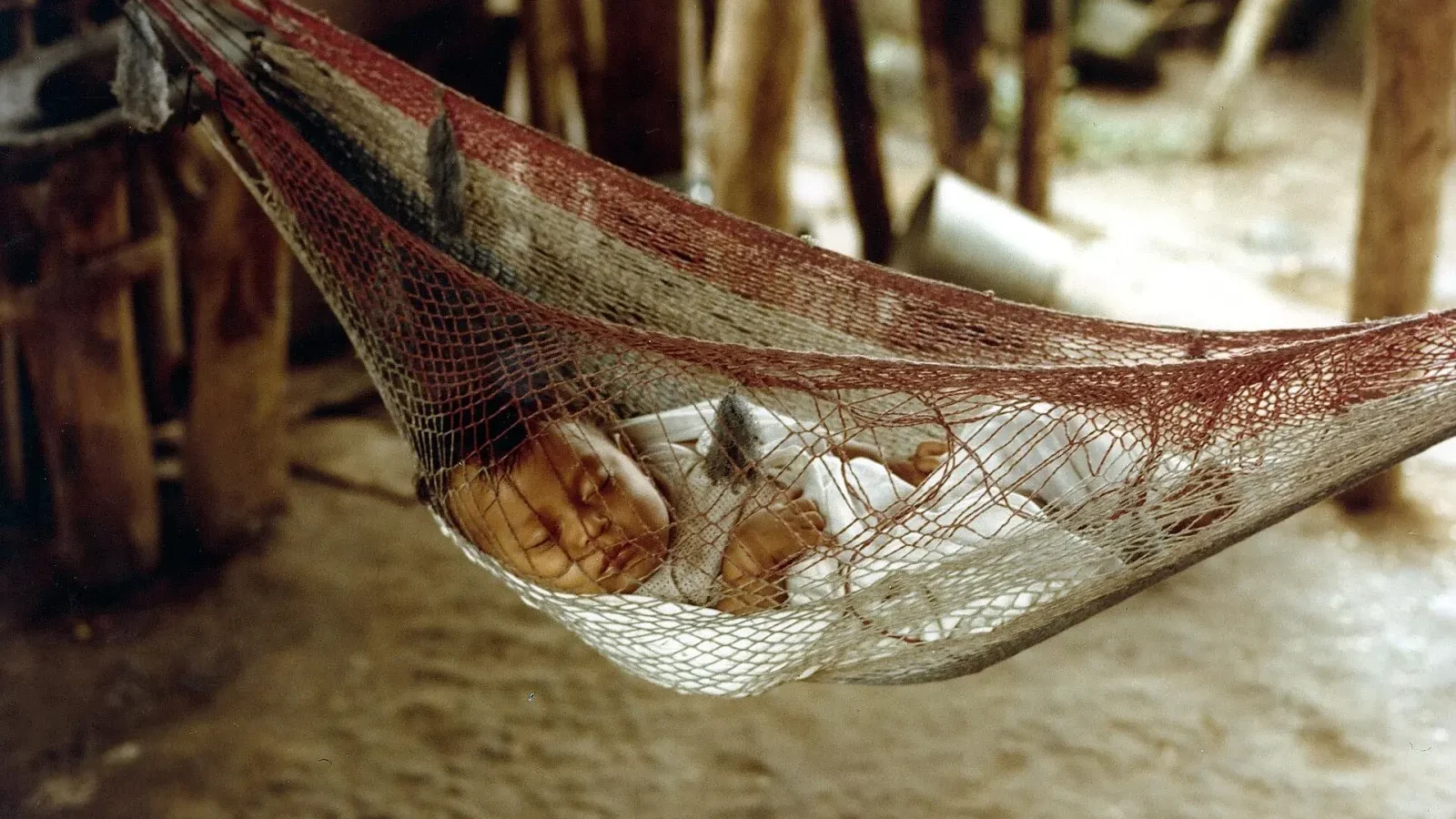
The safe sleep principles experts have stressed for years don't change in winter. Babies should be put to sleep on their backs, on a flat, firm mattress in their own crib. Keeping pillows, heavy comforters, soft toys and crib bumpers out of the bed reduces the risk of the baby's face becoming covered. Rather than wrapping a baby in thick blankets because it's cold, using a baby sleep sack keeps them warm and stops covers from sliding over their face. These simple rules should be followed with the same care at every sleep.
| Topic | Baby |
|---|---|
| Highlights | newborn, sleep routine, safety |
| Reading time | 6 minutes |
| Written by | Sophie Laurent |
Key takeaways
- Dressing your baby in thin layers, one more than you're wearing, is usually enough.
- Check warmth at the neck and chest, not the hands and feet.
- Put your baby to sleep on their back in a sleep sack, in an empty crib with no pillows or comforters.
Putting a baby to sleep in a hat indoors isn't recommended either, as babies release much of their excess heat through the head. If you notice heavy sweating, flushing or rapid breathing during sleep, review the layers of clothing. Whenever you have any concern about your baby's sleep, breathing or body temperature, call your pediatrician without waiting. Grant reminds parents that regular checkups in the first months are also the perfect time to ask these kinds of questions.
What do you think about this post?

2 Comments
Really useful piece, thank you for putting it together.
I had never thought about this side of it. Looking forward to a follow-up.