






























































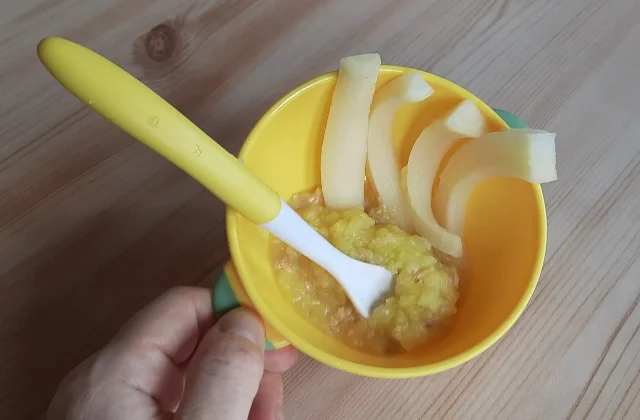

The picky eating phase: patience and creativity at the table with a child who refuses vegetables
Before you worry about the child who pushes away the broccoli and asks only for pasta, read this.
Table of contents
After age two, many children suddenly start refusing vegetables they used to love and settle for just a handful of familiar foods. This phase, known as picky eating, is usually a normal part of development, but the tension at the table can seriously wear parents down. Dietitian Grace Tanner says forcing, rewarding or punishing usually makes things harder, while patient repetition and a pleasant atmosphere at the table work better in the long run. In this article, we look at the causes of picky eating, approaches to try at mealtimes and ways to involve your child in the kitchen. If there is worrying weight loss or listlessness, talk to your pediatrician.
Why does picky eating happen?
Dietitian Grace Tanner says picky eating is a phase especially common between ages two and six and is usually a normal part of development. At these ages, children's growth slows compared with infancy, and their appetite may drop as a result. At the same time, the drive for independence grows, and food becomes one of the few areas a child can control. Being cautious about new tastes is also a natural feature of this stage.
Tanner advises parents to look not at what their child eats in one meal but at what they eat over a whole week. A child who barely eats one day may eat far more than expected the next. A child who is energetic, eager to play and growing steadily along their growth curve is generally a good sign. However, if there's weight loss, marked listlessness or a diet limited to very few foods, it's important to talk to your pediatrician.

A child may need to see a new vegetable many times, without pressure, before accepting it.
Sarah Bennett
Repetition and fun instead of pressure
The most common mistake during the picky eating phase is forcing a child to eat or promising a reward in exchange for eating. Tanner says these approaches may seem to work in the short term but turn the table into a battleground in the long run. Instead, she recommends a division of responsibility in which the parent decides what, when and where food is offered and the child decides how much to eat. This approach helps children learn to trust their hunger and fullness cues.
A child may need to see, smell and taste a new food many times before accepting it. Tanner suggests putting a small amount of a disliked vegetable on the plate alongside a food your child loves, without pressuring them to eat it. Serving the same vegetable cooked in different ways can also work: a child who doesn't like steamed broccoli might try broccoli roasted until crispy. The family enjoying the same meals together is the most powerful example of all.
Joining in: little helpers in the kitchen
Involving your child in the kitchen is one of the most effective ways to spark curiosity about new foods. Tanner recommends asking your child's opinion when choosing fruit and vegetables at the store and giving them age-appropriate kitchen tasks. Jobs such as washing vegetables, tossing salad ingredients, kneading dough or decorating plates help children build a positive relationship with food. Tasting a dish they made themselves is often much more appealing to a child.
| Topic | Nutrition |
|---|---|
| Highlights | first solids, preschool, family routine |
| Reading time | 6 minutes |
| Written by | Sarah Bennett |
Key takeaways
- Picky eating is common between ages two and six; look at the weekly picture, not a single meal.
- Instead of forcing or rewarding, try patient, pressure-free repetition and different cooking methods.
- Involve your child in the kitchen; if there's weight loss or listlessness, talk to your pediatrician.
The atmosphere at the table matters just as much as what's on the plate. Tanner recommends turning off screens during meals and turning the table into a pleasant get-together where you can talk about how the day went. Avoiding frequent, irregular snacks between meals ensures children are genuinely hungry at mealtimes. If picky eating goes on for a very long time, the variety of foods keeps shrinking or mealtimes become a serious source of anxiety, get support from your pediatrician and a dietitian.
What do you think about this post?


Leave a comment