




























































A year after the wildfires: Life is sprouting again on the burned slopes
We returned to the area hit by major fires last summer. Our camera captured the forest's renewal and the villagers' struggle.
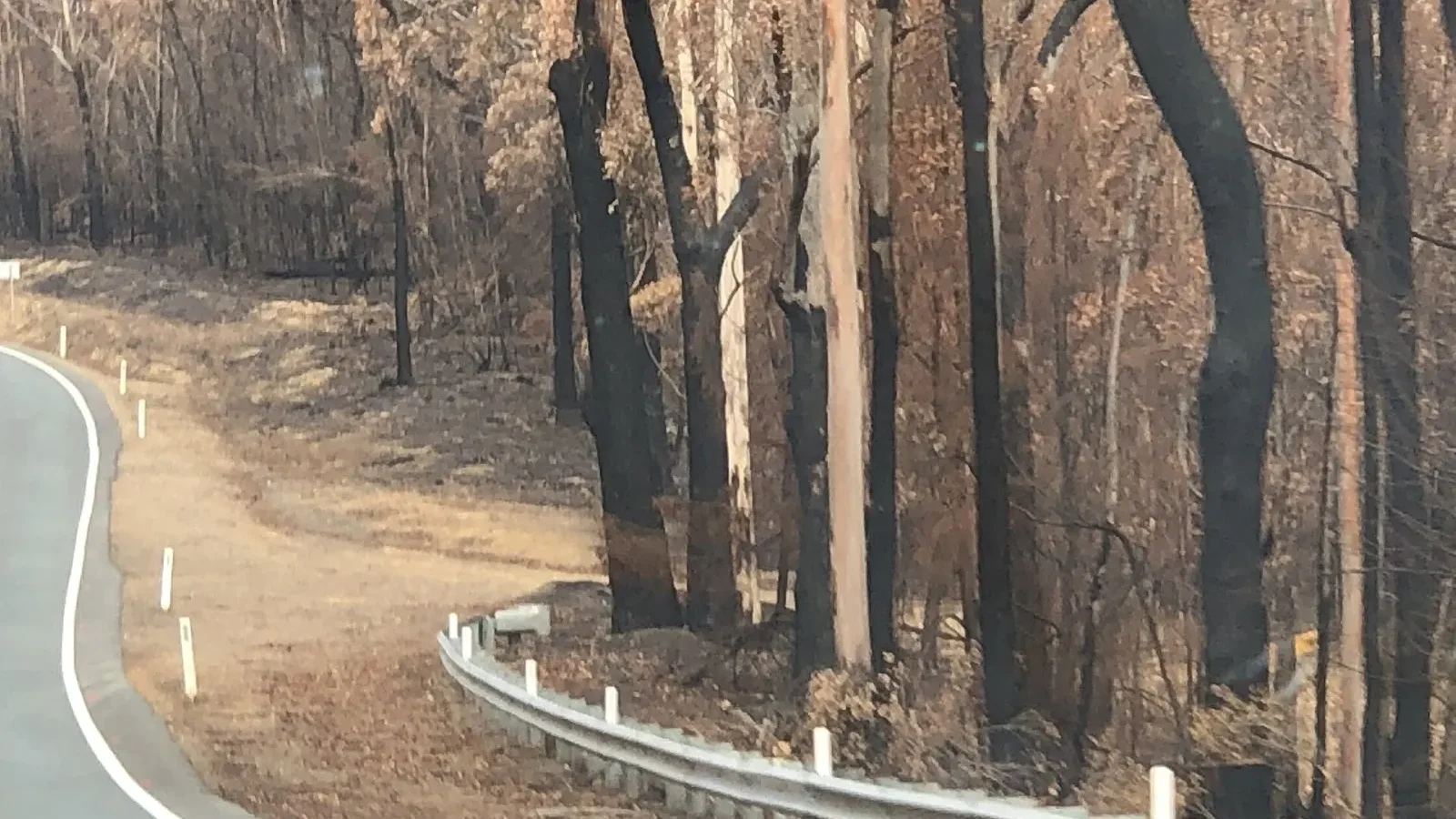
Table of contents
A year later, we went back to the slopes that a huge forest fire had reduced to ash last summer. Among the blackened trunks, pine seedlings and grasses have already begun to paint the soil green. Forestry engineer Dr. Tony Erwin explains that Mediterranean forests are an ecosystem adapted to fire, but that the increasing frequency of fires is straining this natural cycle. Villagers who make their living from beekeeping and olive growing are setting up new hives and planting saplings to make up for their losses. In our video, you'll see the story of nature and people getting back on their feet.
The first shoots among the ashes
Climbing the slopes, the first thing you notice is the blackened trunks that still smell of smoke. But between them, pine seedlings a hand's breadth high and grasses with yellow flowers catch the eye. In this area, where everything was black a year ago, every shade of green now shows through in places. Our camera recorded this slow transformation over the course of the season.
Forestry engineer Dr. Tony Erwin says the first year after a fire is a critical period for the ecosystem. Pine cones open in the heat of the fire and scatter their seeds on the ground, and sprouting begins with the first rain. Erwin stresses that this is an adaptation nature has developed over many years, but that the cycle can break down if the intervals between fires get shorter.
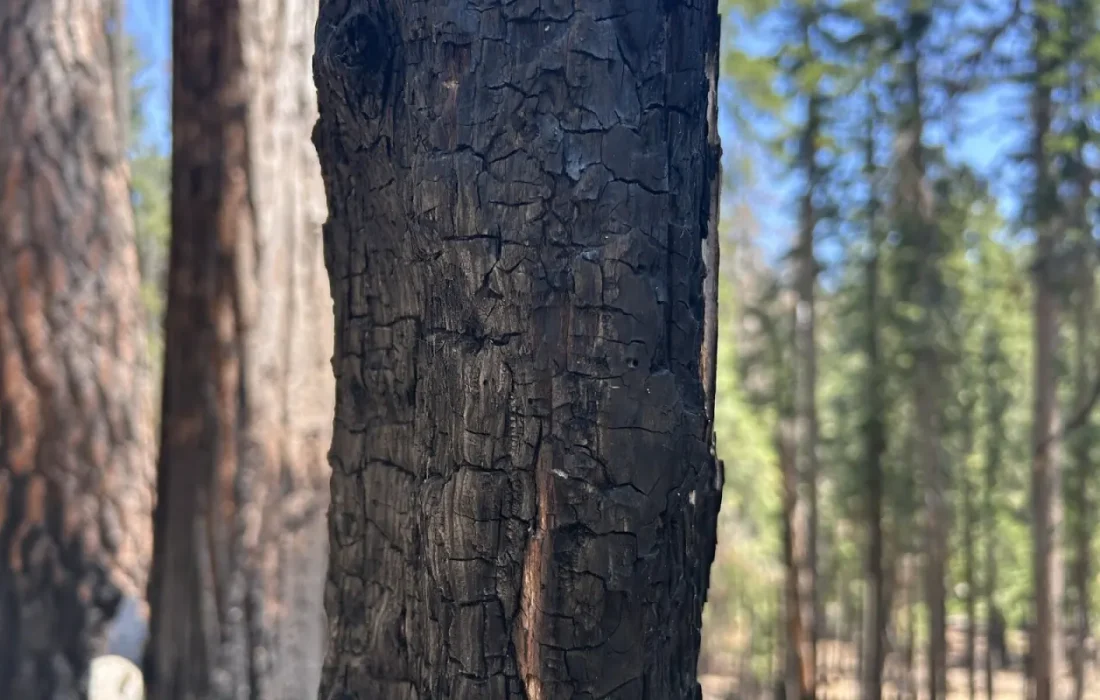
The forest renews itself, as long as we give it time.
Ethan Brooks
Replanting or natural regeneration?
The debate over replanting versus natural regeneration is the liveliest topic in the area. Some agencies argue that planting saplings right away is beneficial, while some experts think it may be better to leave the area alone. According to Erwin, the decision depends on the site: if there's enough natural seed, it makes sense to monitor regeneration; on slopes with a high risk of erosion, it makes sense to intervene.
In our video, we compare two different plots. On one, saplings were planted; on the other, natural regeneration was allowed. After a year, both show promising growth, but there are differences in erosion control. Experts say a year of observation won't give a conclusive result and the comparison should continue for at least five years. Both plots will be photographed again at regular intervals in the years ahead.
The villagers' fresh start
For the villagers, the fresh start is felt most in beekeeping and olive growing. Some of the burned olive groves have greened again with shoots from the roots, but it will be years before they bear fruit. With fewer flowering plants, beekeepers have had to move their hives to other areas. One beekeeper says he has replaced the hives he lost, but honey yields will be low for years.
| Topic | Environment |
|---|---|
| Highlights | climate crisis, investigation, drought |
| Reading time | 6 minutes |
| Written by | Ethan Brooks |
Key takeaways
- Pine cones open in the heat of a fire and scatter their seeds.
- Replanting and natural regeneration give different results on different slopes.
- Beekeeping and olive growing will take years to recover.
The villagers have organized tree-planting days among themselves, joined by volunteers and schoolchildren. With support from the local government and development agencies, fire lookout towers and early-warning systems have been installed. Residents are anxiously awaiting next summer, but they say they're prepared. The forest renews itself, as long as we give it time; each of the villagers repeats this saying in their own way.

Leave a comment