





























































Long read: Twelve hours on the night shift at a public hospital
From 8 p.m. to 8 a.m., we spent a shift in the emergency department of a public hospital with nurses, doctors and patients' families.
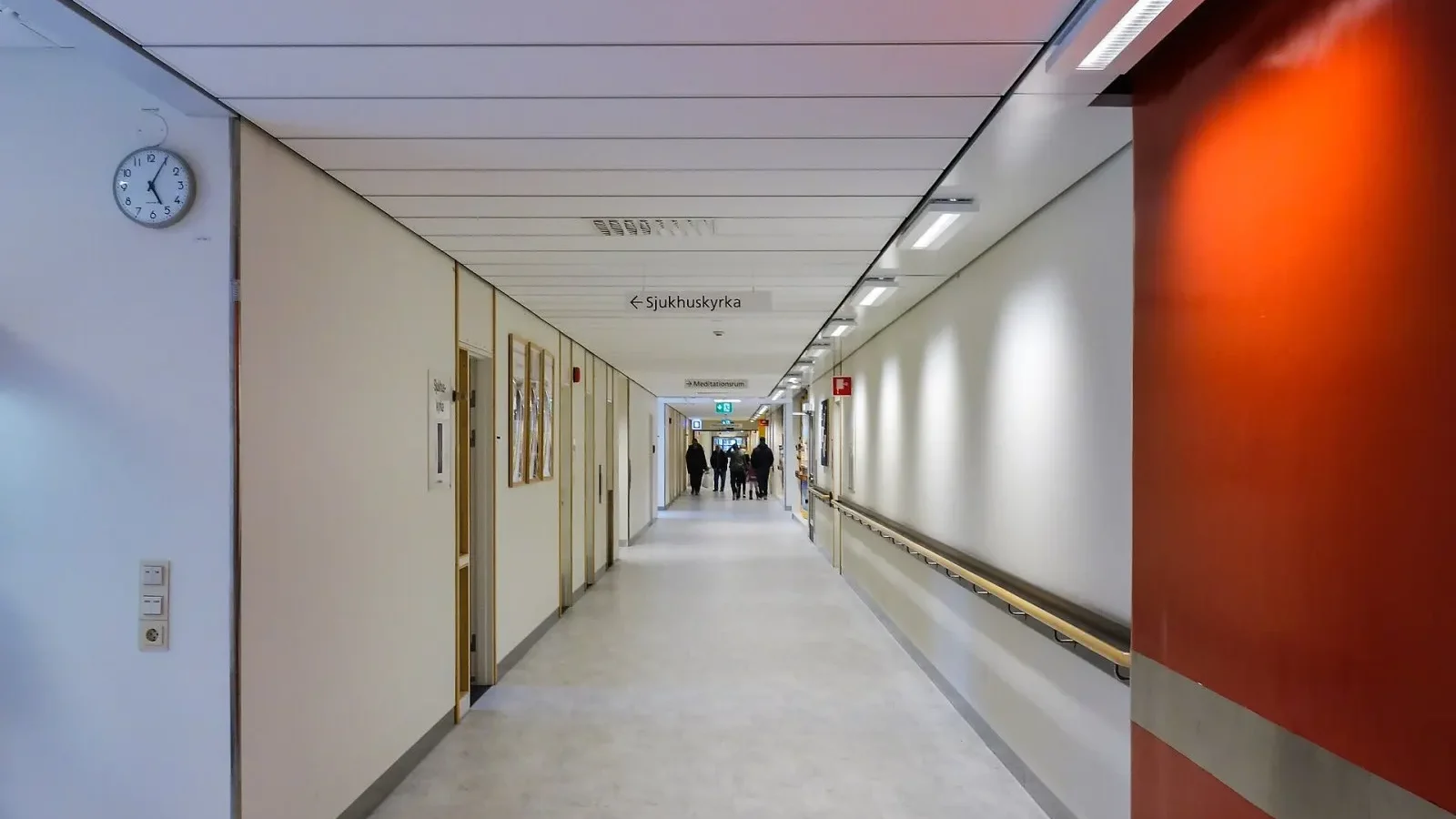
Table of contents
When the clock strikes eight in the evening, the ambulance sirens at the emergency department door never fall silent. For this long read, we spent a twelve-hour night shift with health workers in the emergency department of a public hospital. On-call physician Dr. Oliver Tate and his team race against both time and fatigue as they care for dozens of patients at once. The worry of patients' families, the burnout of staff and the limits of the system become visible in a different way at every hour of the night. When the shift is handed over in the morning, what remains is the story of work that no one sees.
8:00 p.m.: Shift handover
At 8 p.m., the emergency department corridor is full of patients' relatives left over from the day shift. The doctors and nurses taking over hold a short meeting to go over waiting patients, bed availability and critical cases. On-call physician Dr. Oliver Tate says the handover fits into a single sentence: don't let anyone slip through the cracks. That sentence shapes the rest of the night.
In the first few hours, the flow of patients picks up fast. A child comes in with a fever, an elderly man with shortness of breath, a young man after an accident. One of the nurses says that during triage she decides by looking at the patient's face and hands, while the records system takes a back seat. Staff say they can spare only three or four minutes per patient, but even in that time they try not to miss a single detail.
We didn't have time to sit down all night, but we didn't turn anyone away.
Sarah Bennett
3:00 a.m.: The longest hours
Three in the morning: the longest hours of the shift. The number of patients drops, but fatigue has set in. A nurse says she had to cut short a twenty-minute nap in the break room because a new patient arrived. Tate says they know the risk of mistakes rises in these hours, so they step up checks within the team. Every drug and dose is double-checked by a second person.
The state of patients' families in the waiting room is also an inseparable part of the night. A woman says she didn't sleep until morning while waiting for her mother to be moved to intensive care. The security guard says dealing with relatives' anger and fear is the hardest part of his job. A nurse comes over to bring the woman some water and give her a brief update; this small gesture eases the tension on her face, if only a little.
8:00 a.m.: The toll of exhaustion
At 8 a.m., the shift is handed over. The team, which has cared for more than thirty people overnight, looks tired but calm. Tate says he carries the cost of this work in his body, but seeing patients recover gives him strength. Daylight streams into the corridor, the new shift arrives, and after a brief exchange of greetings, the night team walks out the door. With the first light of morning, the quiet of the corridor gives way to the bustle of the day.
| Topic | Long Read |
|---|---|
| Highlights | long read, health system, workers' rights |
| Reading time | 11 minutes |
| Written by | Sarah Bennett |
Key takeaways
- The handover is built around not losing sight of critical patients.
- Around 3 a.m., as fatigue builds, the team steps up its internal checks.
- Staff are asking for more personnel, better scheduling and psychological support.
In the morning, the limits of the system are even clearer. Staff shortages, long shifts and limited opportunities to rest increase the risk of burnout. Health workers are calling for changes to shift scheduling, more staff and psychological support. They didn't have time to sit down all night, but they didn't turn anyone away; this is the story of work that no one sees.


Leave a comment