























































Long read: The silence of a town after its last mine closed
For a hundred years, a town breathed with its mine. Now that the pit has closed, it is searching for a new life. We kept going back to the town for a year.
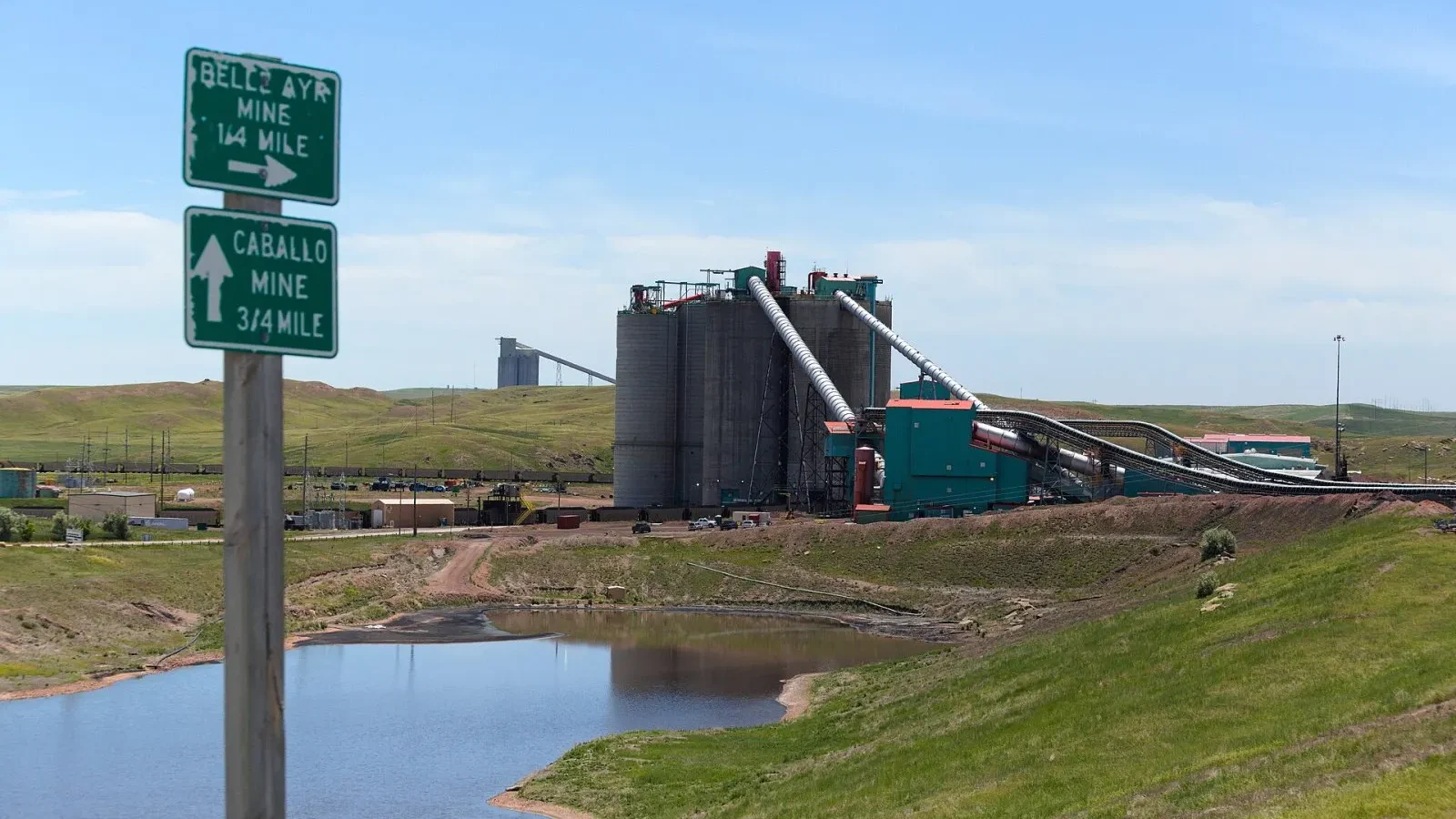
Table of contents
Under the clock tower in the town square, retired miners meet on the same bench every morning. When the mine that had kept the town's economy alive for nearly a century closed last year, it was not just a workplace that came to an end but a way of life. While most young people have moved to big cities to find work, those who stayed are trying to build a new future with greenhouse farming, tourism and small workshops. Over the course of a year, we visited the town in different seasons and spoke with mining families, shopkeepers and local officials. This long read tells the human side of the energy transition.
The day the siren sounded for the last time
The siren for the last shift sounded in the town right at noon. The miners gathered at the pit gate say they assumed it would go on for years, out of sheer habit. After the gate closed, most of them walked to the town square instead of going home. One retired miner remembers that the tea never got cold that day, because no one could bring themselves to put down their glass.
The mine's closure affected not only the two hundred or so workers at the pit but also the businesses that depended on it. Bus drivers, restaurant owners, grocers and mechanics saw their customers dwindle overnight. The municipality says it announced the closure years in advance, but preparing alternative jobs took longer than expected. Most shopkeepers find that explanation inadequate. They say the closure reached every dinner table in town.
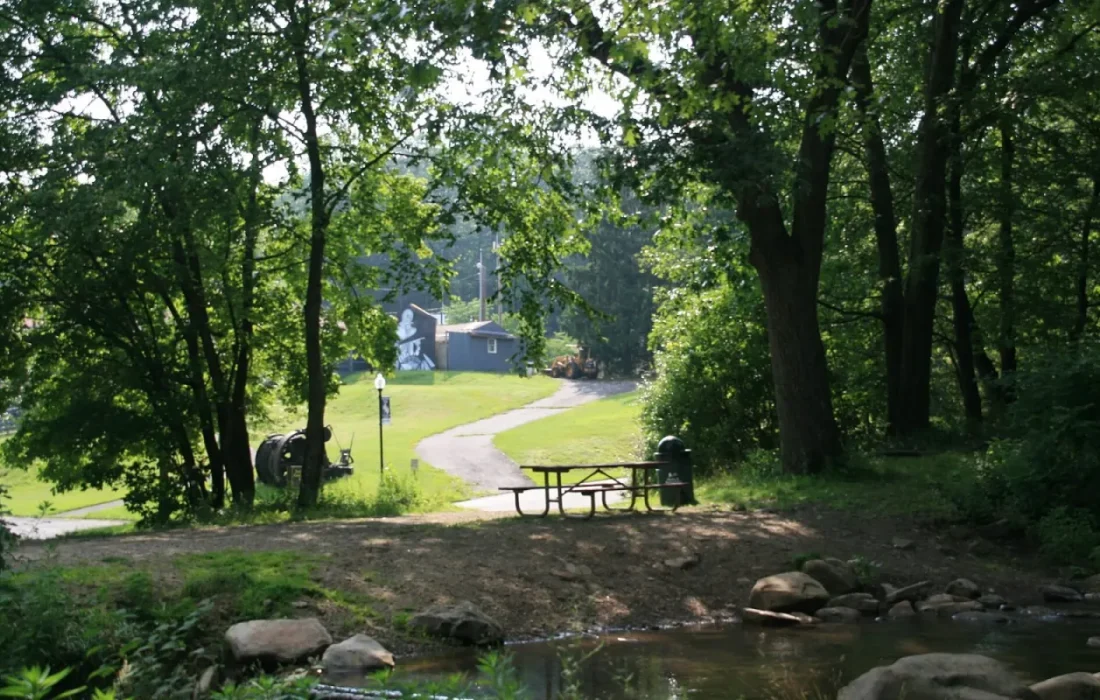
My father and my grandfather both went down that mine. My son left town.
Emily Carter
Those who left and those who stayed
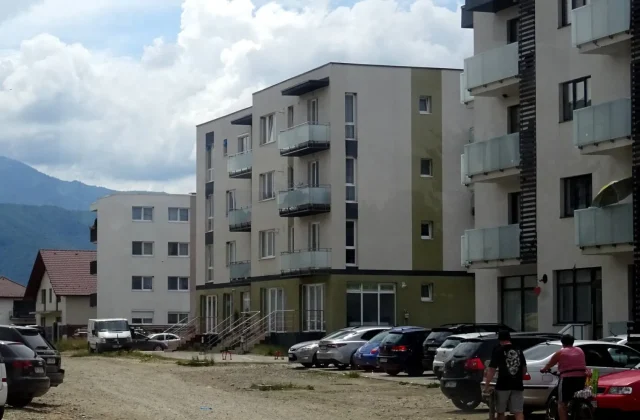
The number of people leaving town rose sharply in the first year after the closure. Those who left were mostly young people and families with children. Some classes at the school were combined, and bus routes were cut. Former miners now working in construction and security in big cities come back to town on weekends and spend money every month so their houses don't sit empty.
Those who stayed are trying to build a different kind of town life. A group of former miners and their wives have started greenhouse farming. Some have turned their homes into guesthouses. For the older residents, the hardest thing is losing a way of life itself: bodies used to coal dust all day now sit under the clock tower and describe the silence of evenings that turn into sleepless nights.
What comes after coal?
There is no single answer to the question of what comes after coal. The local government plans to open the area step by step to renewable energy, agriculture and small-scale tourism. A workshop to make wind turbine parts is under discussion, and it has been proposed that part of the old mine galleries be turned into a museum. But none of these projects is big enough on its own to fill the employment gap left by the closed mine.
| Topic | Long Read |
|---|---|
| Highlights | long read, workers' rights, migration |
| Reading time | 12 minutes |
| Written by | Emily Carter |
Key takeaways
- The pit's closure affected not just the workers but every business in town.
- Young people and families with children left in the first year after the closure.
- Greenhouses, guesthouses and a museum have not yet filled the jobs gap.
Energy transition experts say a just transition requires retraining workers, income support and planned investment in the region, all at once. In the town, all three are missing or inadequate. But people haven't given up. A former union representative's voice trembles as he recalls telling his grandchildren, the year the mine closed, not to leave the town but to rebuild it.

Leave a comment