
















































Small shops put to the card test: How are local businesses adapting to digital payments?
As cash use declines, neighborhood shopkeepers are grappling with fees and new technology. We spoke with business owners from corner grocers to tailors.
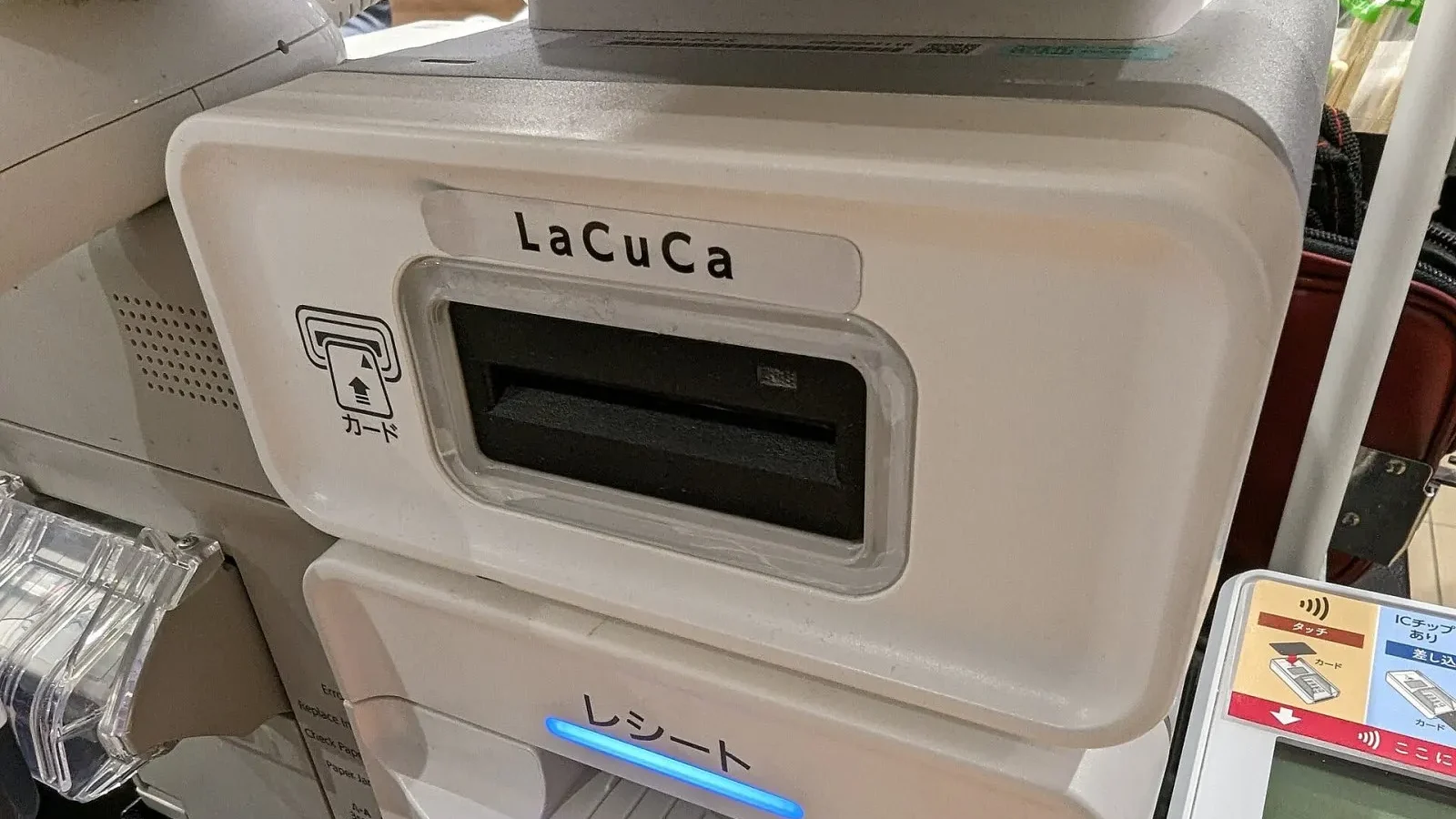
Table of contents
Paying by card or phone, even for a loaf of bread at the corner shop, is now an everyday habit. This rapid shift is bringing small businesses both opportunities and new costs. The grocers, tailors and stationers we spoke with say transaction fees are squeezing profit margins that were already thin. On the other hand, digital payment systems also offer advantages, such as less informal trade and simpler bookkeeping. Economist Dr. Victor Elling says support schemes for small businesses could ease the burden of the transition.
The rapid shift from cash to card
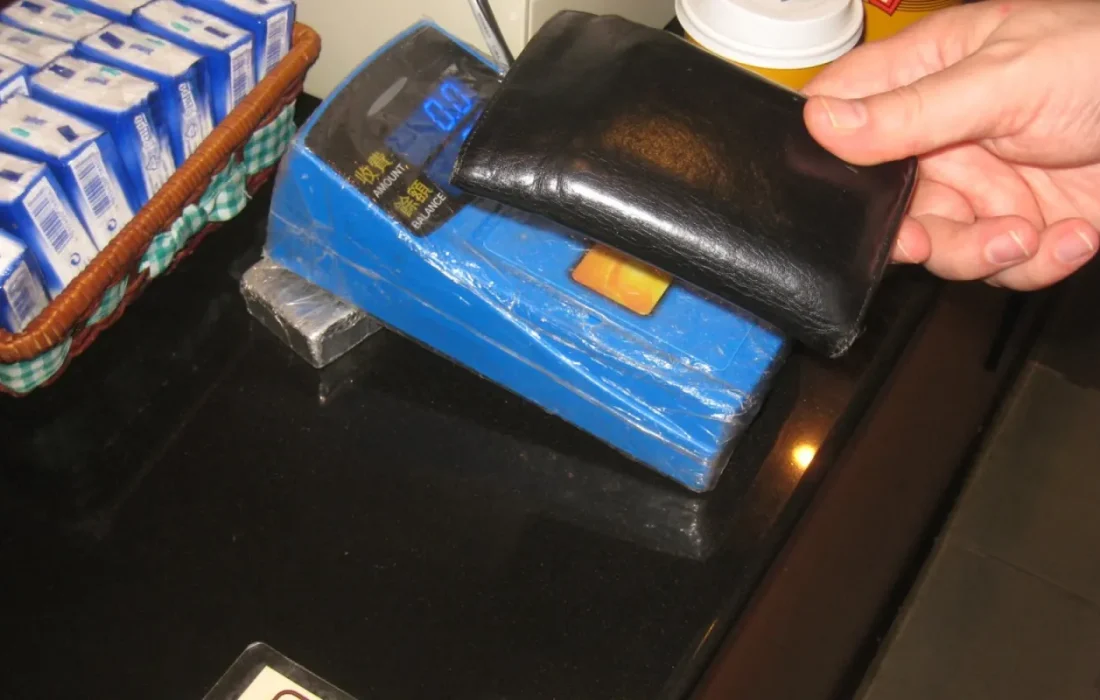
On the counter of the neighborhood grocery store, there are now two devices: an old calculator and a card reader. The owner says that five years ago almost all of his daily sales were in cash; today more than half come by card or phone. Customers have changed; some even pay for bread by card. This shift has transformed not just how people pay but the shopkeeper's daily routine.
The speed of the transition caught shopkeepers off guard. For small businesses such as tailors, stationers and barbers, the setup fee for the device, the fee rates and the time it takes for money to reach the account were unclear at first. Most people turned to a relative or their children to learn the new system. Some shopkeepers didn't fully understand how to close out the register for the first few months.
The customer pays by card, and I leave part of my profit with the bank.
Mark Ellison
How fees are eating into profits
Fees directly affect small businesses' profit margins. A stationer says he pays a fee even when he sells a fifty-cent pen, so he prefers cash for small purchases. Grocers say their margins on products are already thin and the fees squeeze them even further. Unexpected deductions can show up even on the day the money reaches the account.
The numbers vary from business to business, but shopkeepers share a common demand: lower, fixed fee rates for small businesses. Some have tried adding a surcharge for card payments but gave up because of customer backlash. Banks and payment providers say they offer different packages for low-volume businesses, but these are often not widely known.
The winners and losers of going digital
The benefits of going digital shouldn't be underestimated either. Informal sales are declining, bookkeeping is getting easier and businesses build a stronger track record for loan applications. Many shopkeepers describe no longer having to count cash at the end of the day or carry money around as a huge relief. For customers, fast contactless payment is an advantage too. Some shopkeepers think these benefits offset the burden of the fees; others aren't sure yet.
| Topic | Economy |
|---|---|
| Highlights | inflation, transparency, digitalization |
| Reading time | 7 minutes |
| Written by | Mark Ellison |
Key takeaways
- The share of card and phone payments at neighborhood shops has risen rapidly in five years.
- Fees hit small businesses with thin margins hardest.
- Less informal trade and simpler bookkeeping are among the gains of digital payments.
The line between winners and losers is drawn by a business's size and digital skills. Economist Dr. Victor Elling says support measures for small businesses, such as training, low-fee packages and faster transfers to their accounts, could ease the burden of the transition. Otherwise, digital payments may remain more of a cost than a convenience for small shopkeepers.
Leave a comment