























































How much water and energy do data centers use? AI’s invisible footprint
Behind every AI query are vast server halls that need to be cooled. We discussed the technology's environmental cost with experts.
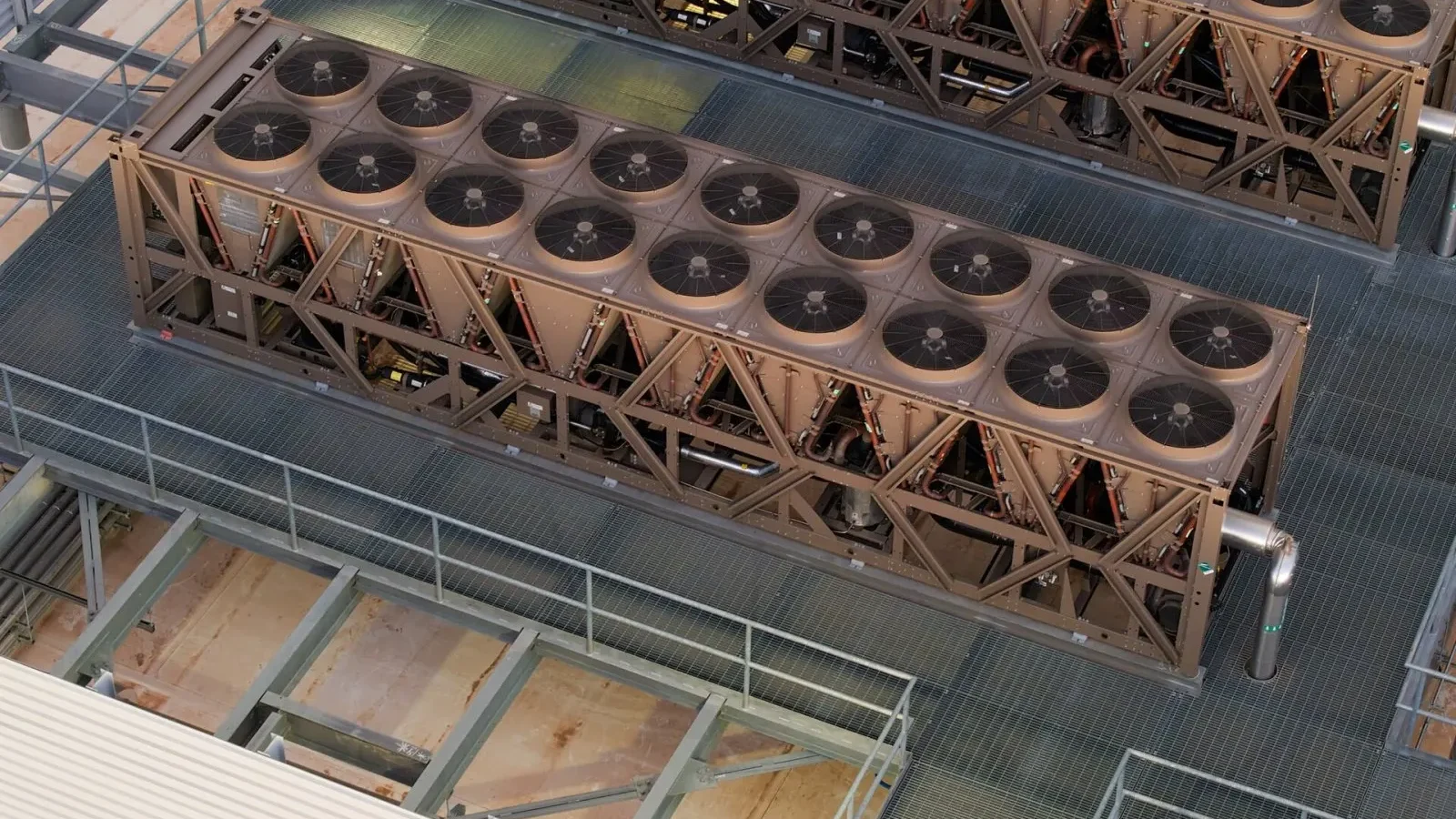
Table of contents
The rapid spread of AI applications is driving the construction of new data centers around the world. These facilities consume large amounts of electricity and need vast quantities of water to cool their servers. In some drought-hit regions, new data center projects have begun to face pushback from local residents. Computer engineer Dr. Ivy Sommers says efficient cooling technologies and renewable energy can shrink this footprint, but transparent reporting is essential. In our analysis, we also look at how to evaluate tech companies' environmental commitments.
The machines behind a single query
A question typed into an AI app travels to a server hall where thousands of processors are running behind the screen. These halls run nonstop and consume electricity around the clock. Because processors doing intensive work get very hot, ventilation and cooling systems can require almost as much energy again. The share of a single query is small, but millions of queries add up to a lot.
Data centers' energy use varies with the hardware they use and how efficient they are. Newer facilities are more efficient, but demand is rising so fast that total consumption keeps climbing. Industry reports predict that within a few years, data centers will account for a noticeable share of electricity demand in some countries. Of course, these forecasts rest on different assumptions.

What we call the cloud is really buildings on the ground, running on water and electricity.
Jake Morales
The water spent on cooling
Water use is the less discussed side. Water evaporating in cooling towers allows a facility to shed the heat it needs to get rid of. At a large facility doing intensive processing, daily water use can approach the needs of a mid-sized town. Of course, this varies widely depending on the facility's design, the climate and the cooling method used. So a facility's water footprint depends not only on how much water it uses but also on where it is built.
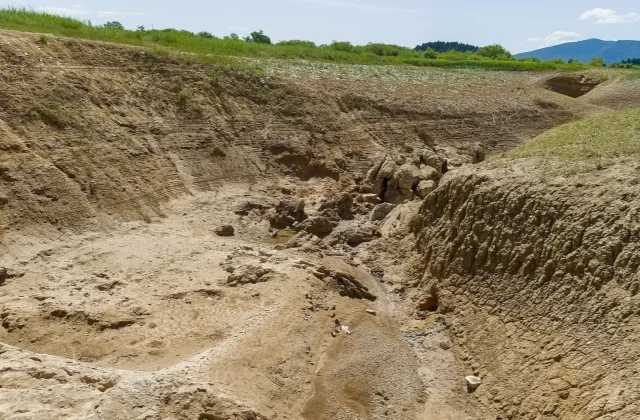
In drought-hit regions, new data center projects are meeting local opposition. Farmers and municipalities argue that water should go first to drinking and agriculture. Companies say they are reducing consumption with solutions such as recycled water and closed-loop cooling. Dr. Ivy Sommers stresses that detailed reporting is essential so these claims can be independently verified.
Is a green data center possible?
Is a green data center possible? According to Sommers, it is, but under a number of conditions. Facilities need to run on renewable energy, use their waste heat to warm homes or greenhouses, be built in cool climates and choose cooling technologies that use little water. Efficiency on the software side matters too: smaller models need less energy.
| Topic | Science & Technology |
|---|---|
| Highlights | artificial intelligence, energy transition, drought |
| Reading time | 10 minutes |
| Written by | Jake Morales |
Key takeaways
- Data centers consume both electricity and water for cooling.
- New facility projects in dry regions are meeting local opposition.
- Experts want facility-level reporting that can be independently verified.
When evaluating companies' environmental commitments, it helps to ask three questions: Are consumption figures disclosed facility by facility? Are water and energy data independently audited? Are the commitments based on annual totals or on real-time use? Sommers says green claims can't be trusted without transparent reporting, and it's important for users to look for this information when making their choices.

Leave a comment